


More Than Just a Dessert
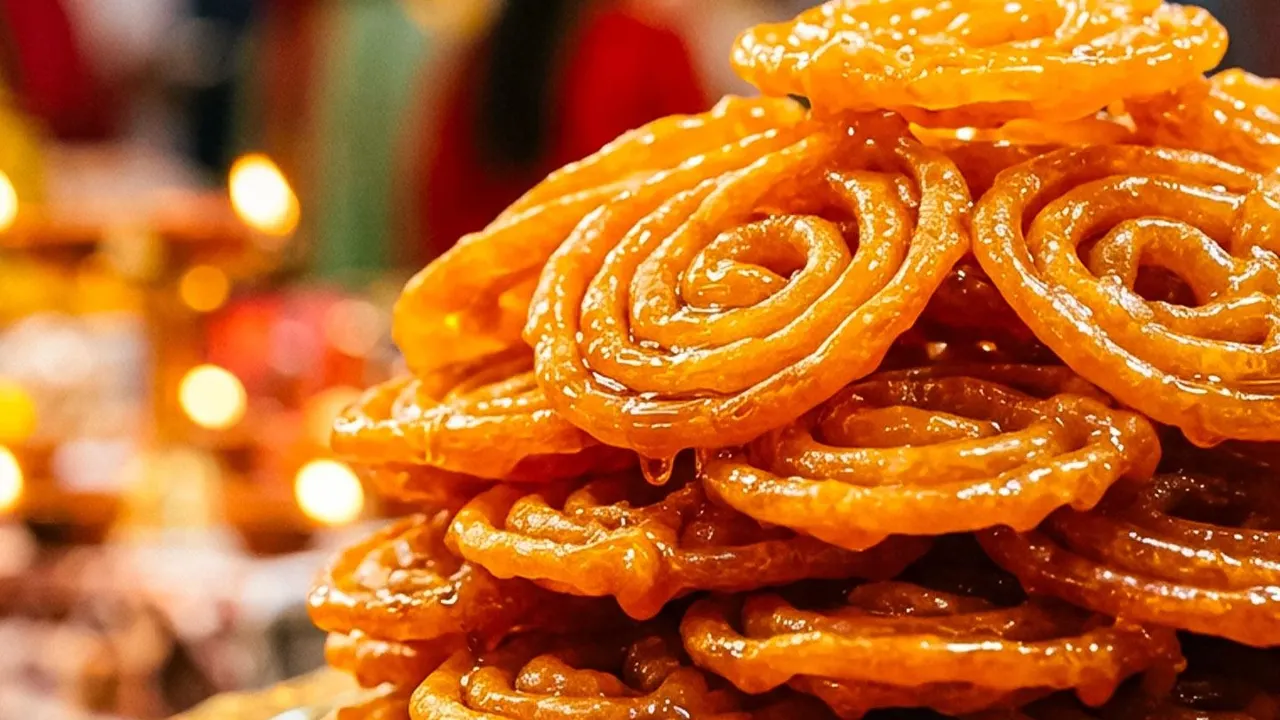
During Durga Puja, 'mishti' (sweets) are not merely an afterthought to a grand meal; they are central to the entire festival's emotional and spiritual fabric. In Bengali culture, sweets signify joy, auspiciousness, and hospitality. Every occasion, from
a promotion at work to the birth of a child, is marked by the sharing of mishti. During Puja, this tradition is amplified a thousandfold. Sweets become a language of devotion offered to the Goddess, a token of love exchanged between friends, and a source of simple, unadulterated joy for pandal-hoppers enjoying a midnight snack. They are woven into the very identity of the celebration, representing purity, prosperity, and togetherness.
The Sacred Offering of Bhog
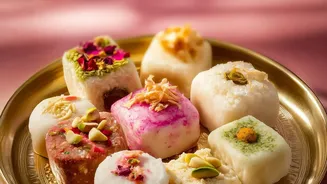
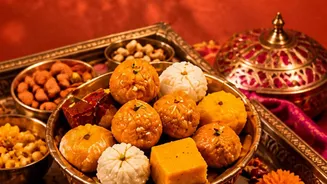
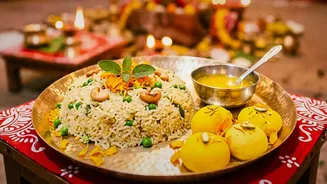
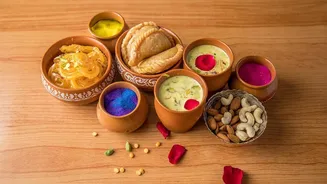
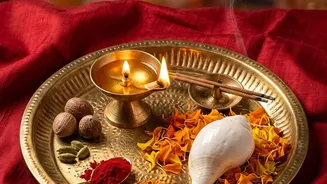
At the core of the puja rituals is 'bhog'—food offered to Goddess Durga before being distributed as prasad to devotees. While savoury dishes like khichuri and labra (a mixed vegetable curry) are staples, sweets hold a special, sacred place on the platter. Sweets made from chhena (fresh cottage cheese), such as the iconic Rosogolla and the delicate Sandesh, are considered pure and are thus ideal offerings. Other traditional bhog sweets include Narkel Naru, which are hand-rolled coconut laddoos made with jaggery or sugar, and Payesh, a slow-cooked rice pudding that is a symbol of divine blessings and comfort. These offerings are not just about taste but are deeply tied to ritual and symbolism, representing the sweet relationship between the devotee and the deity.
Feasting in the Streets and Pandals
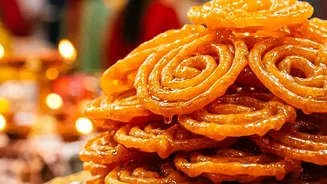
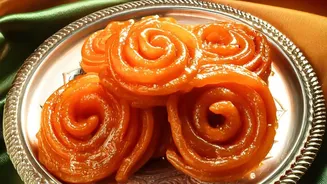
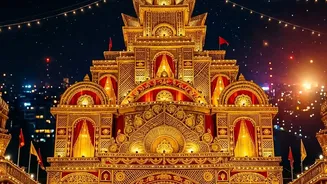
Beyond the formal rituals, Durga Puja is a city-wide food festival. The streets of Kolkata transform into a massive culinary trail, and sweets are an essential part of this adventure. After marveling at the artistry of the pandals, crowds throng to food stalls for both savoury and sweet delights. Iconic sweets like the spongy Rosogolla, the creamy Mishti Doi served in traditional earthen pots, and the decadent Pantua (a Bengali version of gulab jamun) are consumed with gusto. Many sweet shops create specialities just for the festival, and some even experiment with modern twists, like chocolate-infused Sandesh or mango-flavoured Mishti Doi. It is this public feasting that truly captures the joyous, communal spirit of the festival, where a simple cup of sweet yogurt can be a moment of pure bliss amidst the festive chaos.
Vijaya Dashami's Sweet Farewell
The final day of the festival, Vijaya Dashami, is perhaps when sweets play their most poignant role. After the idols are immersed in the river, bidding a bittersweet farewell to the Goddess, the ritual of 'mishti mukh' (sweetening the mouth) begins. This is a time for reconciliation and renewing bonds. People visit the homes of friends, family, and elders to offer their respects, and no visit is complete without sharing sweets. Households prepare homemade delicacies like Malpua (sweet fried pancakes) and Patishapta (thin crepes with a coconut-jaggery filling), while boxes of shop-bought Sandesh and Rosogolla are exchanged in abundance. This act of sharing sweets symbolizes letting go of any bitterness from the past year and starting afresh, ending the grand festival on a note of pure sweetness and goodwill.