




The Final Dress Rehearsal
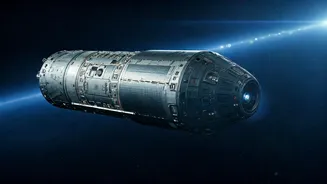
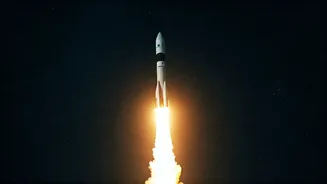
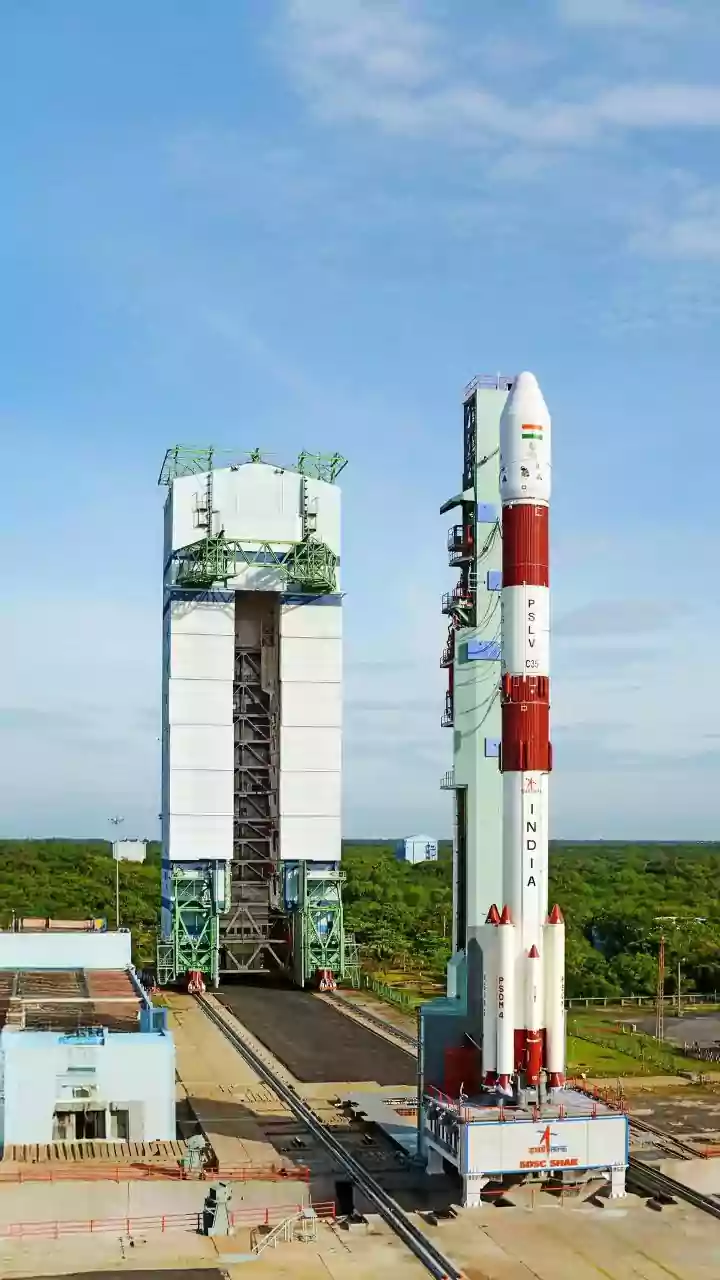
The next major milestone for India's ambitious Gaganyaan programme is the first uncrewed orbital flight, officially designated Gaganyaan-1 (G1). Scheduled for the latter half of 2026, this mission is the full dress rehearsal before any human being steps
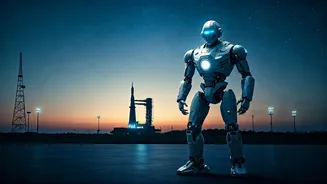
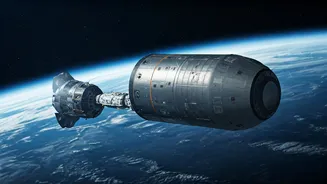
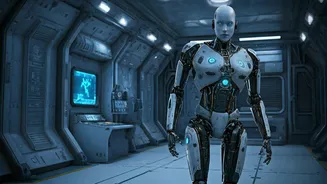
inside the capsule for a journey to space. The G1 flight will see the Human-rated LVM3 (HLVM3) rocket launch the orbital module into a 400 km low Earth orbit. While no humans will be on board, the mission will carry a crucial passenger: Vyommitra, a humanoid robot developed by the Indian Space Research Organisation (ISRO). Vyommitra will simulate human functions, allowing scientists to gather vital data on how the spacecraft's systems perform with a 'person' inside.
A Mission of a Thousand Checks
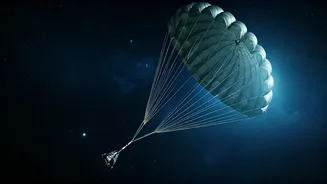
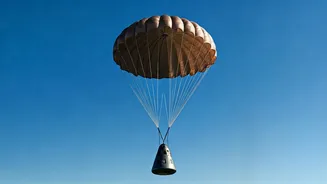
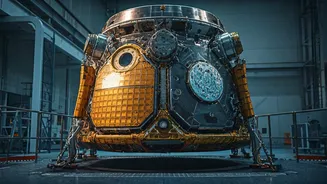
The primary goal of the G1 test is to validate the multitude of systems required to keep astronauts safe. This includes the performance of the life-support and environmental control systems within the crew module, which must provide an Earth-like atmosphere in the harsh vacuum of space. The mission will meticulously test the spacecraft's navigation, guidance, and control systems during its time in orbit. Perhaps most critically, the flight will test the module's re-entry phase—the fiery descent back through Earth's atmosphere where temperatures can exceed 2,000°C. It will then demonstrate the complex parachute sequence and splashdown in the Indian sea, proving that the capsule can bring its precious cargo home safely. Every single step, from launch to recovery, will be scrutinised to ensure it meets the absolute highest safety standards.
Navigating the Fiery Return
Bringing a spacecraft back from orbit is one of the most dangerous parts of any space mission. The capsule must hit a precise, narrow re-entry corridor. If the angle is too steep, it could burn up due to excessive heat and pressure. If it's too shallow, it could skip off the atmosphere and back into space. As the module plummets through the air at hypersonic speeds, it gets enveloped in a sheath of superheated plasma, causing a communications blackout for several minutes. ISRO has to prove it can manage these extreme forces, slow the module from over 28,000 km/h, and deploy a series of parachutes in perfect sequence to ensure a gentle splashdown. Successfully demonstrating this controlled re-entry is non-negotiable before a human flight.
The Path to a Crewed Launch
The G1 mission is the first of several uncrewed flights planned to build confidence and reliability. Following its completion, ISRO plans at least one more uncrewed test flight to replicate the results and ensure all systems are robust. This methodical, safety-first approach is standard practice in human spaceflight, where redundancy and repeated success are paramount. While timelines can shift to ensure safety—with the first crewed mission now anticipated around 2027 or 2028—these uncrewed tests are the essential stepping stones. Only after ISRO is completely satisfied with the performance and reliability demonstrated in these precursor missions will it give the green light for India's selected astronauts to make their historic flight.
A Nation's Ambition on the Launchpad
Gaganyaan is more than just a technological challenge; it is a symbol of national prestige and a driver of scientific progress across the country. Successfully launching humans into space will place India in an elite club of nations, joining the United States, Russia, and China. This uncrewed test flight represents a pivotal moment in that journey. Its success will validate years of dedicated work by thousands of scientists and engineers and build momentum for the entire Indian space industry. The mission carries the weight of a billion aspirations, proving that India has the capability not just to reach for the stars, but to do so by ensuring its explorers return safely. The glory of a crewed mission can only be achieved after the rigorous and successful completion of this crucial test.