






The Humidity And Bacteria Connection
The primary reason the monsoon and leftovers are a dangerous mix comes down to one word: humidity. The air during this season is heavy with moisture, which, combined with the ambient warmth, creates an ideal breeding ground for bacteria, mould, and fungi.
Food, especially when not stored perfectly, becomes a petri dish. Bacteria like E. coli, Salmonella, and Listeria thrive in these conditions. While your refrigerator slows down their growth, it doesn't stop it entirely. Every time you open the fridge door, you introduce warm, moist air. For leftovers that have been sitting for a day or two, this can be enough to accelerate spoilage, often before you can even see or smell it. That leftover dal or sabzi that seemed fine yesterday might be teeming with invisible microbes today.
Your Gut Is Weaker Than You Think
It’s not just the food that’s the problem; it’s also our bodies. According to traditional systems of medicine like Ayurveda, the monsoon season is a time when our 'agni,' or digestive fire, is naturally weaker. This makes our digestive system more sluggish and less efficient at fighting off pathogens. The humid weather can also lead to a general feeling of lethargy and a slower metabolism. When you combine a weakened digestive system with food that has a higher-than-usual bacterial load, you have a recipe for disaster. This is why cases of gastroenteritis, indigestion, and food poisoning see a sharp spike during these months. Your body is simply not as well-equipped to handle microbial invaders as it is during drier seasons.
High-Risk Foods To Be Extra Careful With
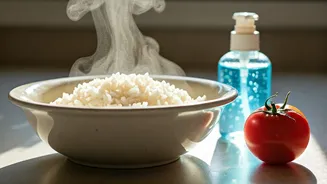
Not all leftovers are created equal. Some foods are far more susceptible to spoilage during the monsoon. Be particularly cautious with: - **Cooked Rice:** Cooked rice is notorious for harbouring a bacterium called Bacillus cereus. When left at room temperature, these bacteria can produce toxins that even thorough reheating cannot destroy. - **Dairy-Based Dishes:** Paneer curries, kheer, and anything with a milk or cream base can spoil very quickly. Dairy is a rich medium for bacterial growth. - **Cut Fruits and Salads:** Once the protective skin is broken, fruits and raw vegetables are exposed to contamination. The moisture in the air only speeds this up. - **Lentils and Gravies:** While they seem robust, dals and other gravies have a high water content, making them perfect for microbial multiplication. Fermentation can begin subtly, making them sour and unsafe. - **Dough and Batters:** Leftover dosa or idli batter can over-ferment rapidly in the humidity, leading to a sour taste and potential digestive upset.
The Golden Rules for Monsoon Leftovers
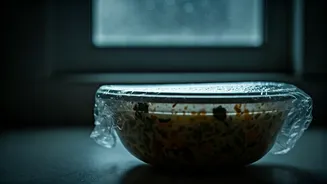
You don't have to throw away all leftovers, but you do need to be smarter about handling them. Follow these simple rules to stay safe: 1. **Cool It Down Fast:** Don't leave cooked food sitting out on the counter to cool. The 'danger zone' for bacterial growth is between 5°C and 60°C. Transfer hot food to shallow containers to cool it down more quickly and refrigerate within two hours. 2. **Airtight Is Right:** Always store leftovers in clean, dry, airtight containers. This prevents airborne moisture and microbes from getting in. 3. **Reheat Thoroughly:** Never eat leftovers cold from the fridge. Reheat food until it is piping hot (above 75°C) all the way through. This will kill most active bacteria. If using a microwave, stir the food midway to ensure even heating. 4. **The 24-Hour Rule:** During monsoon, it’s best to consume leftovers within 24 hours. Don't push your luck. If it has been sitting longer, it’s safer to discard it. 5. **When in Doubt, Throw It Out:** Your senses are a good guide, but not foolproof. If something looks, smells, or tastes even slightly off, do not risk it. The potential doctor's visit is not worth saving a few rupees worth of food.