


Shift Your Mindset: Chase Experiences, Not Sunshine
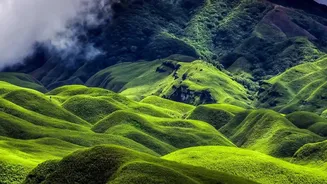
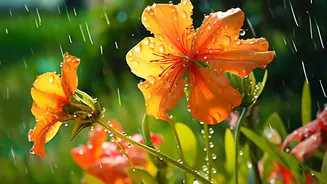
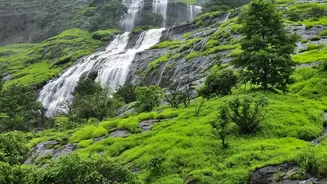
The fundamental flaw in many monsoon travel plans is the obsession with weather. Instead of checking the forecast five times a day, focus on what the rain makes possible. The monsoon transforms India, turning dry landscapes into vibrant green havens and bringing
waterfalls to life. Destinations like the Western Ghats, Kerala, and Meghalaya are arguably at their most beautiful during this time. The goal is to choose destinations where the rain is part of the attraction, not an obstacle. Plan your days with both an indoor and an outdoor option. If the skies are clear, explore that ancient fort. If it starts to pour, pivot to a planned visit to a local museum, a cosy café, a cooking class, or even a trip to the cinema. This approach removes the stress of a ruined schedule and replaces it with a sense of empowered choice.
Embrace the Great Indoors
A rainy day is an opportunity to explore a destination’s indoor culture. Many cities and tourist spots offer a wealth of activities that are perfect for when you need to stay dry. Look for destinations with strong indoor offerings like museums, art galleries, historical palaces, and bustling markets. In cities like Mumbai, Hyderabad, or Delhi, you can find modern entertainment centres with bowling, arcade games, and VR experiences. For a more relaxing pace, consider a wellness retreat. The monsoon season is considered an excellent time for Ayurvedic treatments, as the humid climate is believed to help the body detoxify more effectively. Plan your trip around activities like pottery workshops, culinary classes, or simply long afternoons spent reading in a charming cafe. These experiences provide a deep connection to a place that sightseeing alone cannot.
The Off-Season Advantage: Fewer Crowds, Better Deals
One of the biggest perks of travelling during the monsoon is that it’s considered the off-season in many popular tourist areas. This translates to significant benefits for the savvy traveller. Major attractions that are usually swamped with visitors, like the Taj Mahal, are noticeably less crowded, allowing for a more personal and peaceful experience. Fewer tourists also mean lower prices. Hotels, including luxury properties, often reduce their rates significantly to attract guests. This makes it an ideal time for budget-conscious travellers or those looking to experience high-end hospitality at a fraction of the peak-season cost. With fewer people around, you're also more likely to have authentic interactions with locals and experience a place without the usual tourist rush.
Pack Smart: Quick-Dry and Waterproof are Your Best Friends
The right gear can make or break a monsoon trip. The key is to pack light, quick-drying clothes and leave heavy fabrics like denim and thick cotton at home, as they take forever to dry in the humidity. Synthetic blends, polyester, and nylon are ideal. Instead of a bulky umbrella that can be useless in the wind, opt for a lightweight, waterproof jacket or poncho. Footwear is crucial; choose waterproof sandals with a good grip or quick-dry sneakers to navigate slippery streets and muddy trails. Protect your electronics and important documents by using waterproof backpack covers, dry bags, or even simple ziplock bags as an extra layer of security. It's also wise to carry a basic medical kit with essentials for common monsoon ailments, along with a reliable insect repellent.
Flexibility is the Ultimate Itinerary Hack
During the monsoon, unpredictability is the only certainty. Transport can be delayed due to heavy rain, roads in hilly areas might face closures from landslides, and outdoor activities can be cancelled at the last minute. The best way to counter this is by building a flexible itinerary. Avoid scheduling tight connections between flights, trains, or buses. Instead of a rigid, hour-by-hour plan, create a loose framework of things you’d like to do. Build in buffer days to account for potential delays. Booking accommodations with flexible cancellation policies is also a smart move. This mindset allows you to adapt and enjoy the journey, turning potential frustrations into spontaneous adventures. Let your hotel know your plans and ask for updates on local conditions before heading out each day.