



In countless Indian kitchens, the earthy aroma of jeera, or cumin, is a daily affair. For centuries, it has been more than a flavouring agent; it is a trusted home remedy for digestive woes. But what does the evidence say about this ancient practice?
A Spice Steeped in Tradition
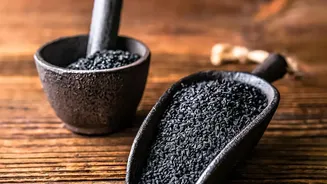
For thousands of years, cumin has been a cornerstone of Indian, Mediterranean, and Middle Eastern cuisines. In India, it's not just a culinary staple but a key component of Ayurveda, the traditional system of medicine. In Sanskrit, cumin is known as 'Jira', which translates to 'that which helps digestion'. Ayurvedic principles classify it as a warming spice that stimulates 'agni', or the digestive fire, helping the body process food more efficiently and reduce the buildup of toxins. This is why a glass of warm jeera water after a heavy meal or a pinch of roasted cumin in buttermilk is a remedy passed down through generations to soothe the stomach, ease bloating, and provide comfort.
The Science of Digestive Relief
Modern science is beginning to validate what tradition has long suggested. Cumin's digestive benefits are largely attributed to its active compounds, particularly thymol and cuminaldehyde. Research indicates that these compounds can stimulate the glands that secrete digestive enzymes, acids, and bile. These enzymes, such as amylase, protease, and lipase, are crucial for breaking down carbohydrates, proteins, and fats, ensuring a smoother digestive process. Furthermore, studies have shown that cumin can increase the release of bile from the liver, which aids in fat digestion and nutrient absorption. For those with irritable bowel syndrome (IBS), some clinical trials have reported significant improvement in symptoms like abdominal pain and bloating after taking cumin extract.
What Exactly Is Cumin Water?
Cumin water, known as 'jeera water' or 'jeera pani', is a simple herbal infusion made by soaking or boiling cumin seeds in water. The process extracts the seeds' essential oils and beneficial compounds into the water, creating a mild, earthy-tasting beverage. This practice has been cherished for centuries as a gentle way to harness cumin's digestive properties. Many people drink it first thing in the morning on an empty stomach, a ritual believed to kickstart metabolism, aid digestion throughout the day, and help flush toxins from the body. The logic is simple: by infusing the water, you create a hydrating drink that delivers the active components of cumin in an easily absorbable form.
How to Prepare Cumin Water at Home
Making your own cumin water is incredibly easy. There are two primary methods:
1. The Soaking Method: Add one to two teaspoons of cumin seeds to a glass of water and let it sit overnight. In the morning, strain the seeds and drink the water. This method is gentle and yields a milder flavour.
2. The Boiling Method: For a quicker and more potent infusion, add one to two teaspoons of cumin seeds to a pot with about two cups of water. Bring it to a boil and let it simmer for five to ten minutes, until the water turns a pale golden-brown. Strain the seeds and let the water cool to a comfortable temperature before drinking.
For added flavour, you can add a squeeze of lemon juice or a pinch of cinnamon powder after the water has cooled.
Potential Risks and Considerations
While cumin water is generally safe for most people when consumed in moderation (typically one to two glasses a day), excessive intake can have downsides. For some individuals, especially those with a sensitive stomach, too much cumin can lead to heartburn or acid reflux. Cumin also has properties that may lower blood sugar levels, so people taking diabetes medication should be mindful and monitor their levels closely to avoid hypoglycemia. Additionally, because it may slow blood clotting, it is recommended to stop consuming cumin water at least two weeks before any scheduled surgery. As with any herbal remedy, it's wise to listen to your body and consult a healthcare professional if you have pre-existing conditions or are pregnant.