



More Than a Morning Latte
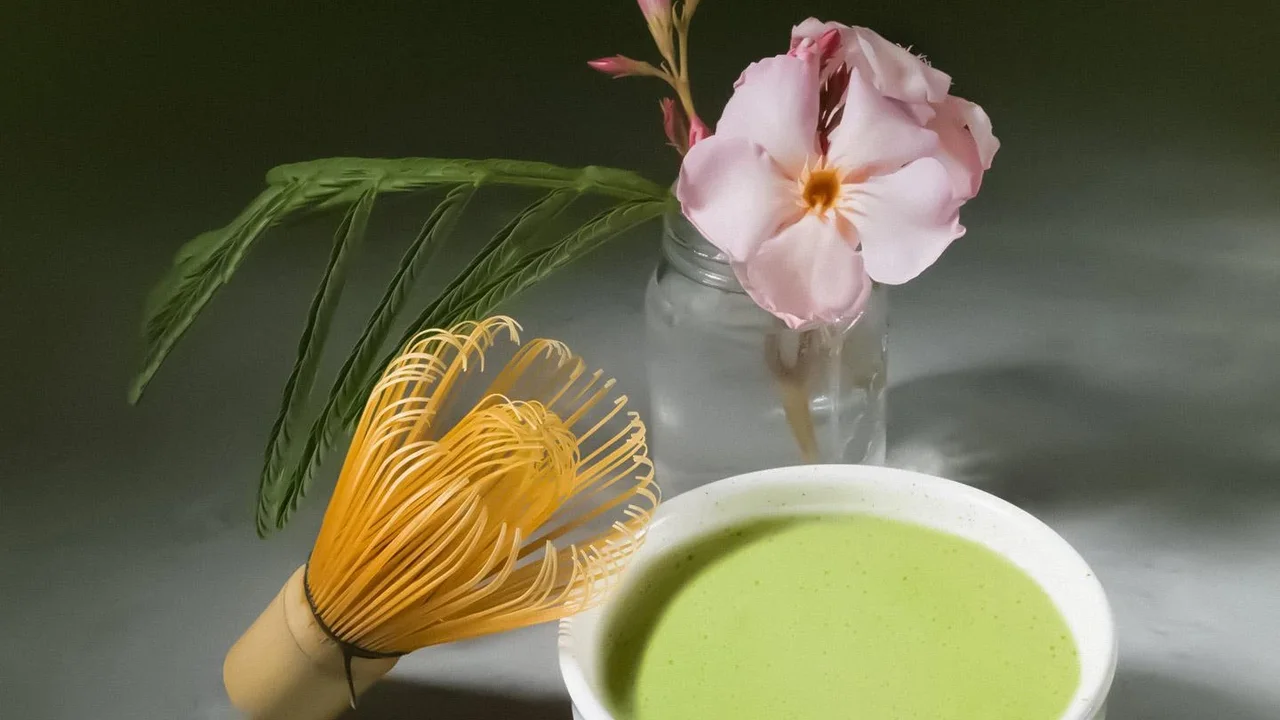
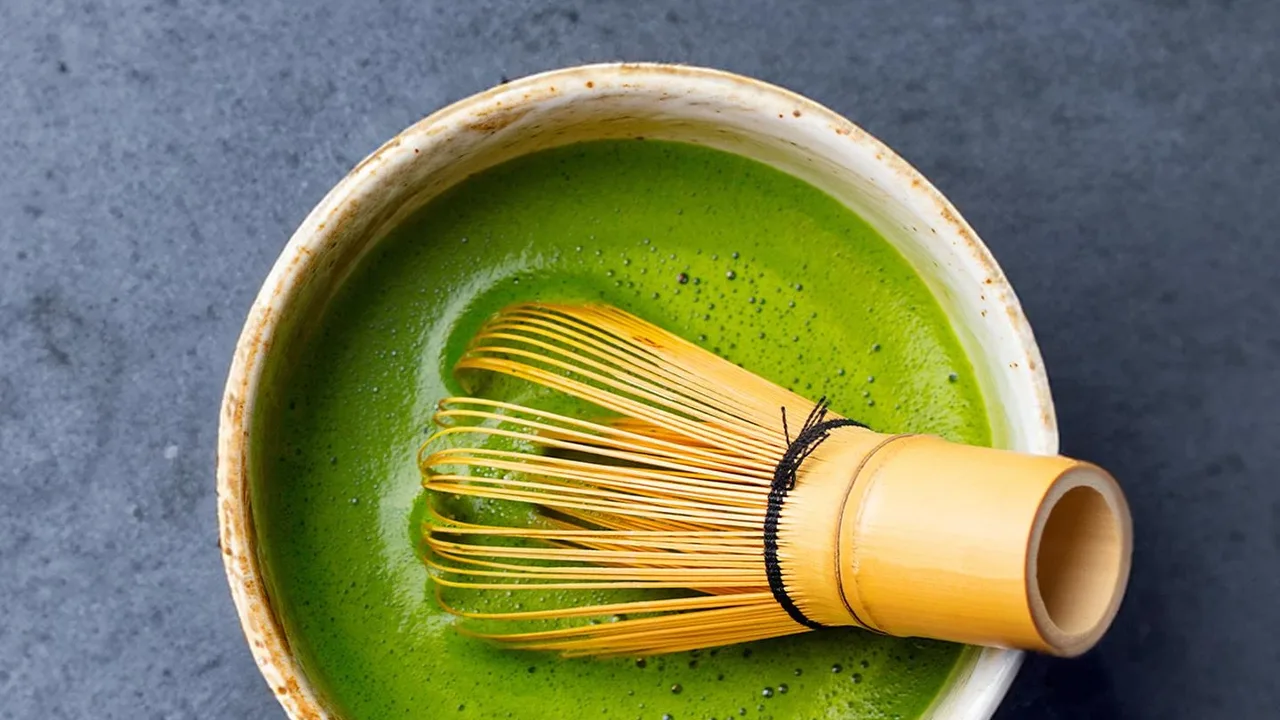
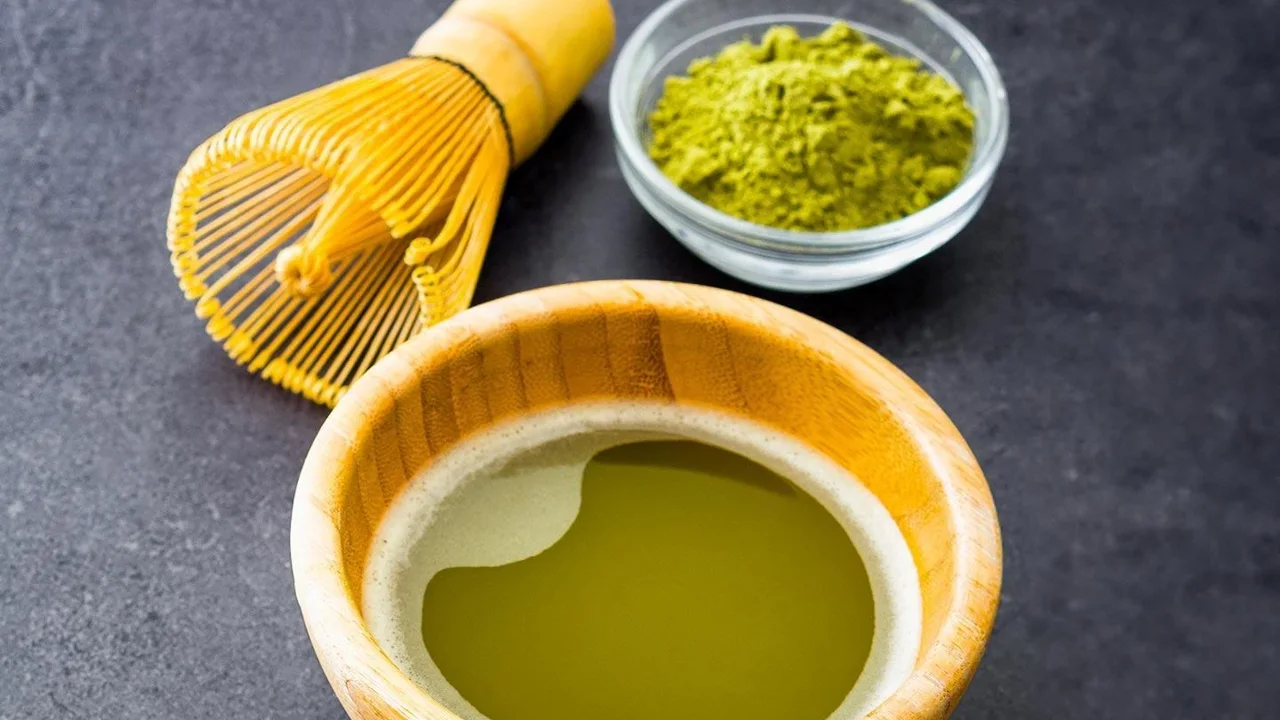
Matcha's story begins centuries ago in Japan, where it was the centrepiece of traditional tea ceremonies. Unlike regular green tea, where leaves are steeped and discarded, matcha is made from finely powdered, specially grown leaves, meaning you consume
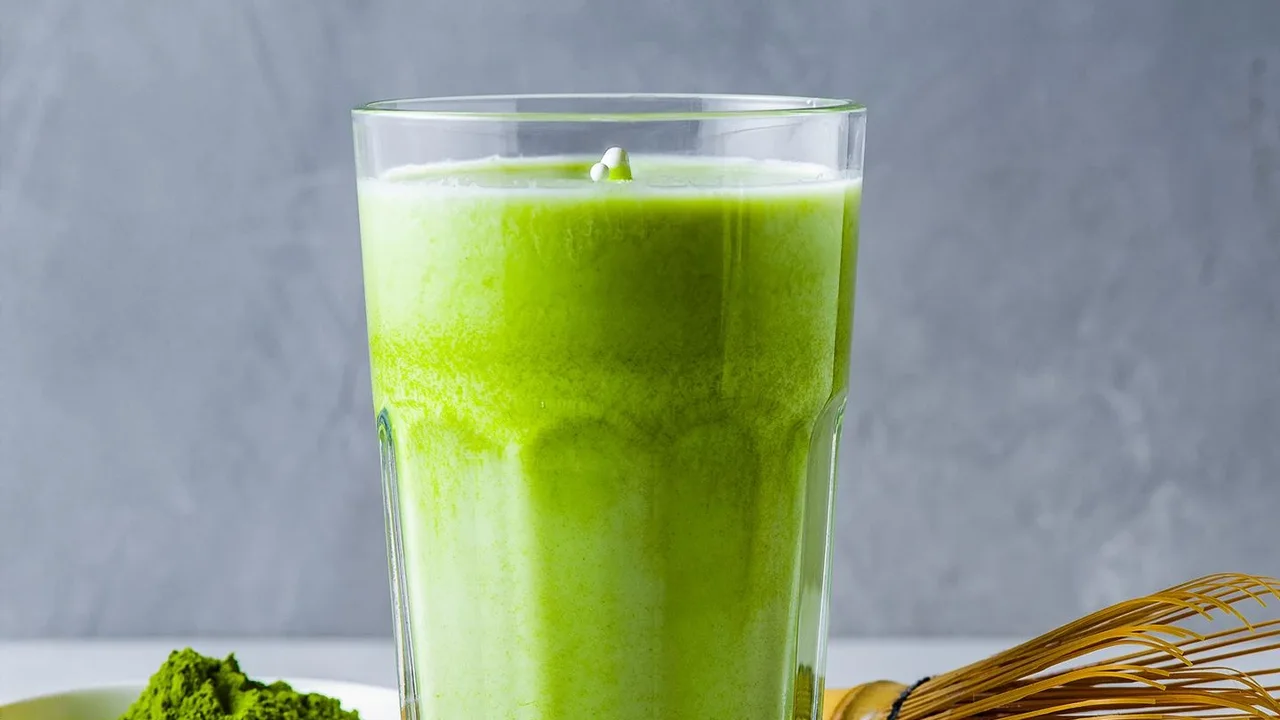
the entire leaf. This is the foundation of its potent flavour and health benefits. For years, its journey into mainstream culture was defined by the matcha latte, a staple in cafes from Mumbai to Delhi. Driven by a wellness movement and its undeniable visual appeal on social media, this vibrant green drink became a global phenomenon. But creative chefs and home cooks saw potential beyond the cup, kickstarting a new chapter for the ancient powder.
The Secret Is in the Flavour
So, what makes matcha so adaptable for cooking? The answer lies in its complex flavour profile. High-quality matcha delivers a unique combination of tasting notes: it is grassy and earthy, with a subtle sweetness and a distinct 'umami' quality—the savoury fifth taste. This umami depth, which it shares with ingredients like mushrooms and parmesan cheese, allows it to pair surprisingly well with a wide range of foods. Its slight bitterness can cut through richness and balance sweetness, making it an incredibly versatile ingredient in the hands of a curious cook. It can elevate a dish without overpowering it, adding both a beautiful green hue and a layer of sophisticated flavour.
A World of Sweet Creations
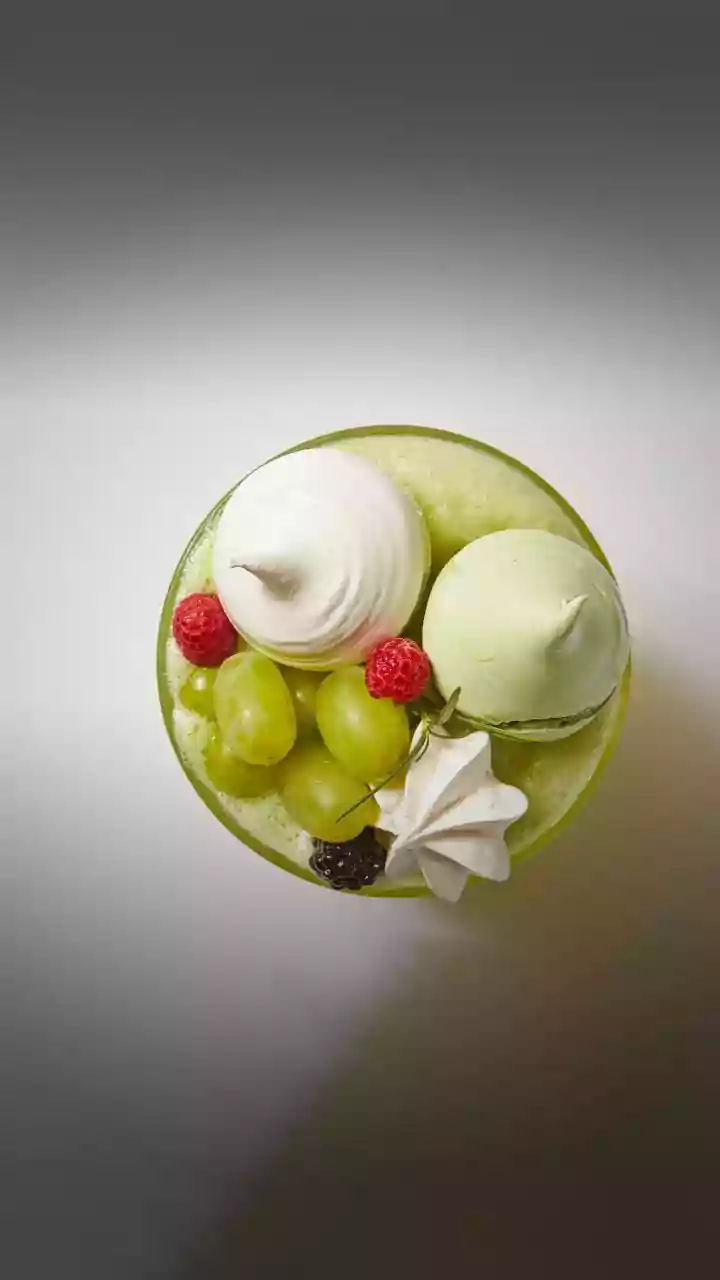
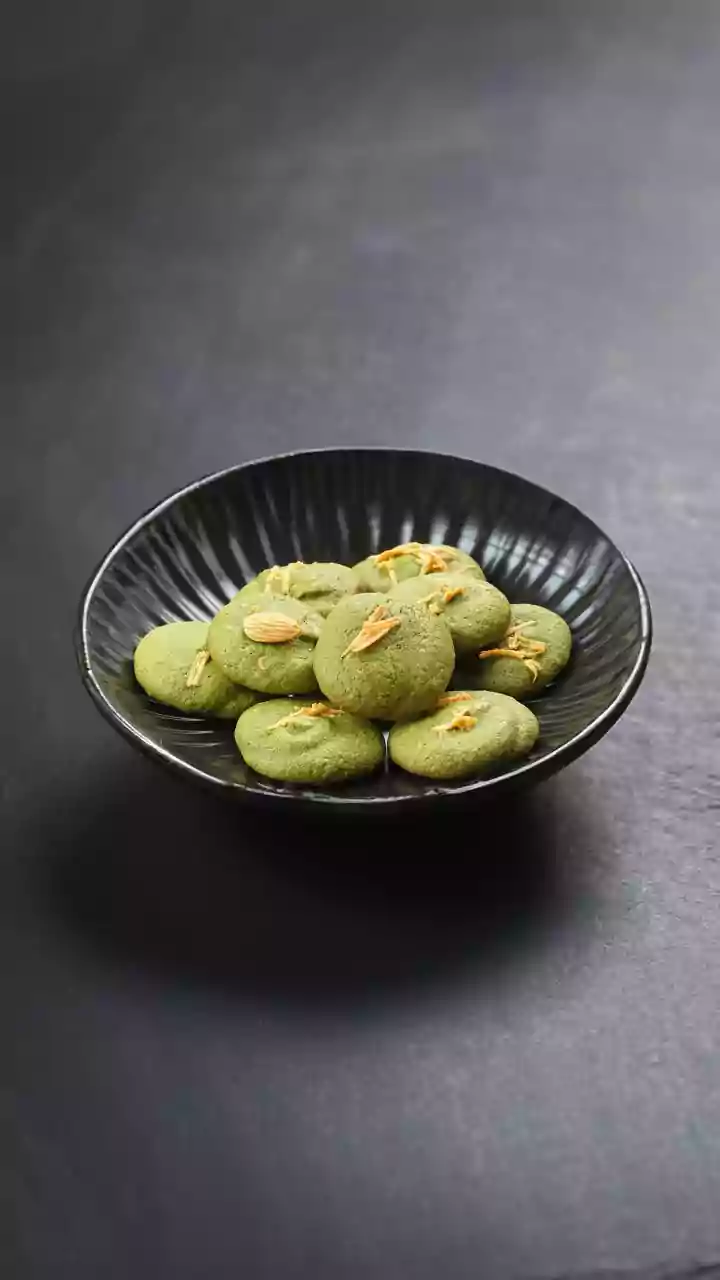
The first and most popular stop for matcha outside the teacup was the dessert menu. Its earthy notes are a perfect match for sweet ingredients. The trend has given us an array of green-tinted treats, now fixtures in bakeries and cafes across India. Think of creamy matcha cheesecakes, delicate matcha tiramisu, and rich matcha-infused brownies and cookies. It has been incorporated into everything from ice cream and mochi to elaborate layer cakes and fluffy scones. The bitterness of the tea balances the sugar, creating desserts that feel more complex and less one-dimensionally sweet, which has been a key driver of its success in the world of pastries and confections.
The Savoury Surprise
Perhaps the most exciting frontier for matcha is in savoury cooking. While it might sound unusual, its umami-rich character makes it a natural fit for non-sweet dishes. Chefs are experimenting with matcha in surprisingly inventive ways. You might find it infused into fresh pasta dough, lending a subtle earthiness and striking colour to fettuccine or gnocchi. It’s also being used as a seasoning or in spice rubs for fish and vegetables, where its grassy flavour can complement other ingredients. Other innovative uses include whisking it into compound butter with herbs, blending it into creamy aioli for dipping fries, or even adding a pinch to soups and sauces to add depth. This move into the main course is where matcha's true versatility shines.
The Matcha Wave in India
In India, the matcha trend is growing rapidly, evolving from a niche health product to a mainstream cafe favourite, particularly among urban millennials and Gen Z. The Indian matcha market has seen significant growth, driven by the rise of specialty coffee shops and a greater interest in global food trends. While desserts like matcha cheesecake and cookies are becoming common in cities like Hyderabad, the move into savoury dishes is still in its early stages here. However, as more people become familiar with its unique taste, the potential for creative fusion is enormous. Imagine a sprinkle of matcha in a savoury yoghurt dip or its earthy notes complementing Indian spices. As diners in India continue to explore global flavours, matcha is perfectly positioned to become a staple not just in our cups, but on our plates too.