





An Enduring Passenger Complaint
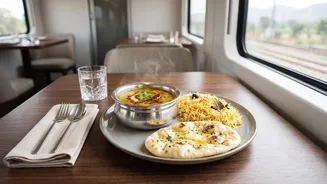
Ask any regular train traveller in India about their biggest grievances, and the quality of food is almost certain to make the list. For decades, complaints of unhygienic preparation, stale meals, overpricing, and unauthorised vendors have plagued the system.
Despite numerous crackdowns and policy changes over the years, the problem has persisted, leaving passengers with a deep sense of skepticism. Past audit reports have pointed to grim realities, from pests in kitchens to the use of unpurified tap water. This long history of dissatisfaction forms the backdrop for the latest initiative, which promises a more robust and transparent approach to a problem that has stubbornly resisted solutions.
What's Changing This Time?
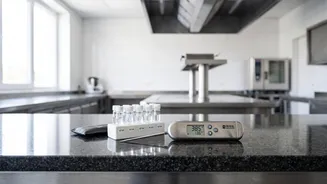
In a significant move, the Indian Railway Catering and Tourism Corporation (IRCTC) has partnered with the Quality Council of India (QCI) to implement a comprehensive, third-party audit system for all its catering services. This collaboration, formalized in mid-October 2026, aims to enforce strict compliance with Food Safety and Standards Authority of India (FSSAI) regulations. Unlike previous internal checks, this drive relies on independent, unannounced inspections by QCI's certified professionals to evaluate everything from base kitchens to pantry cars and station food stalls. The goal is to create a system where vendors are held accountable not by the railways alone, but by an external, neutral body with the authority to penalize non-compliance.
Tech and Teams on Track
Technology is the backbone of this new monitoring drive. Auditors will use a special mobile application to conduct inspections, capturing geo-tagged and time-stamped photographic evidence of any violations. Audit reports are mandated to be submitted within 24 hours, allowing IRCTC to take swift corrective and preventive action against vendors. This digital trail is designed to prevent data manipulation and ensure transparency. Furthermore, Indian Railways has been expanding its use of AI-powered CCTV cameras in base kitchens and pantry cars. These systems can automatically detect hygiene lapses, such as staff not wearing hairnets or the presence of pests, and generate real-time alerts for kitchen managers and senior officials.
A Reason for Hope, or More of the Same?
The key differentiator this time appears to be the combination of independent oversight and technology. The partnership with the QCI removes the potential for internal bias in inspections. The use of AI and digital reporting tools creates a system of constant, verifiable monitoring that is much harder for non-compliant vendors to evade. The inspections will be thorough, covering staff hygiene, the separation of vegetarian and non-vegetarian ingredients, temperature control for cooked food, and pest control measures. While officials are optimistic, the success of the drive will hinge on consistent enforcement and the severity of penalties for repeated failures. The system is designed for accountability, but its real-world impact remains to be seen.
The Passenger's Role in a Cleaner Pantry
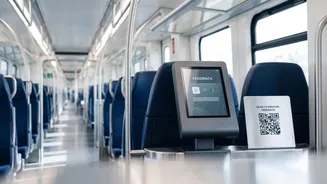
This new drive also empowers passengers to become active participants in quality control. The primary tool for this is the 'Rail Madad' app and helpline (139), an integrated platform for lodging complaints. Passengers are encouraged to report issues related to food quality, hygiene, or overcharging, ideally with photographic evidence and bill details. The system tracks complaints and their resolution status, creating a public-facing accountability mechanism. Additionally, IRCTC has been implementing QR codes on food packets that display kitchen and packaging details, and on vendor ID cards to help passengers identify authorised staff. By using these tools, travellers can provide immediate feedback and help the authorities identify problem areas faster.