



Goodbye to the Showroom
For years, the ideal home was one of pristine symmetry. The sofa had to match the armchairs, which had to match the coffee table. But a quiet rebellion has been brewing in living rooms across the country. Homeowners are increasingly tired of spaces that
feel staged, sterile, and impersonal. Instead of decorating for an audience, the focus is shifting inward, toward creating environments that reflect individual personalities, memories, and journeys. The new aspiration is not a flawless showroom, but a home that tells your story, one mismatched, well-loved piece at a time. This move is away from rigid design rules and towards interiors that look like they have been thoughtfully assembled over years, not purchased in a single shopping trip.
The Art of Curated Chaos
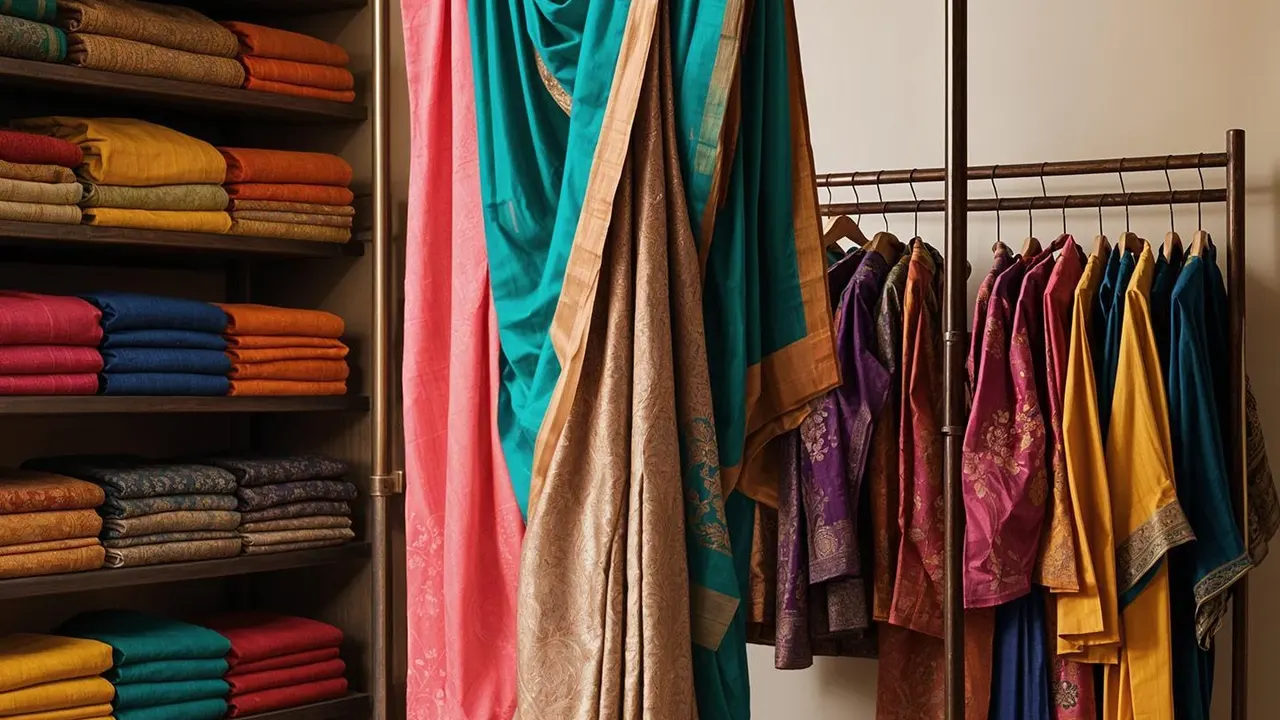
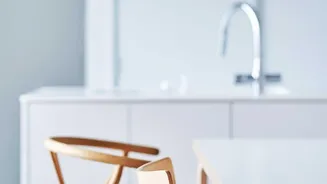
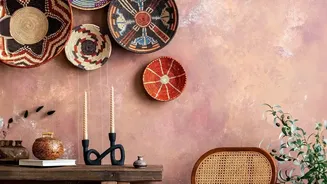
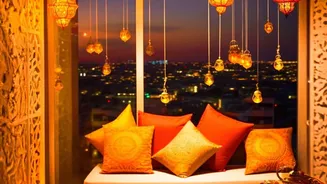
This trend goes by many names—eclectic, maximalist, or mix-and-match. But it is not about clutter or randomness. It is the art of 'curated abundance'. Think of a modern, minimalist sofa paired with your grandmother's antique wooden chest. Or a sleek dining table surrounded by a collection of different, yet complementary, chairs. The aesthetic finds its roots in India’s natural instinct for layering; our homes have always been a vibrant mix of textiles, colours, and heirlooms. The modern interpretation simply blends this heritage with contemporary sensibilities, pairing traditional Indian craftsmanship with clean, modern lines to create a look that is both fresh and deeply familiar.
Finding Beauty in Imperfection
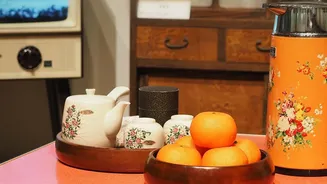
A significant influence behind this shift is the Japanese philosophy of 'wabi-sabi', which finds beauty in things that are imperfect, impermanent, and incomplete. In decor, this translates to an appreciation for handmade items where the artist's touch is visible. The slight unevenness of a hand-thrown ceramic vase, the natural grain of weathered wood, or the wrinkles in a linen throw are no longer seen as flaws, but as features that add character and soul. Homeowners are choosing handcrafted pieces over mass-produced imports because they carry a story and a sense of authenticity. This mindset also fuels the trend of upcycling, where old furniture is given a new lease of life, adding a sustainable and unique layer to the home.
How to Mismatch with Intention
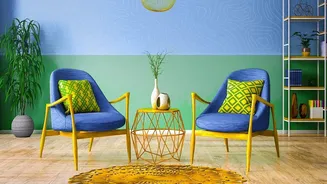
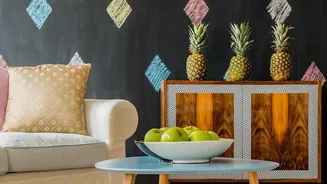
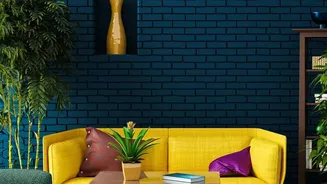
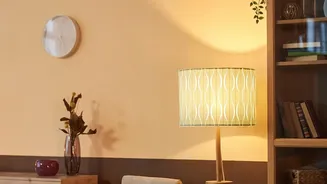
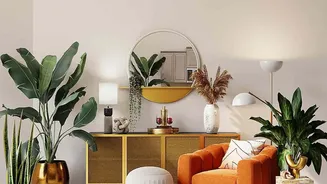
Making mismatched pieces work together requires a thoughtful approach. The goal is to create harmony, not chaos. The easiest way to achieve this is by finding a common thread to tie the disparate elements together. One of the most effective strategies is to stick to a unified colour palette. Your furniture doesn't have to be the same style, but if the pieces exist within the same family of colours—say, earthy tones of terracotta, beige, and olive green—they will feel connected. Another approach is to repeat a texture or material. For example, you can have a vintage wooden cabinet, a contemporary dining table with a wooden base, and wooden photo frames. The shared material creates a sense of cohesion, allowing you to play with different styles and eras. A good rule of thumb is the 80/20 principle: let 80% of your decor be modern and clean, and use the remaining 20% for antique or statement pieces that add personality.