


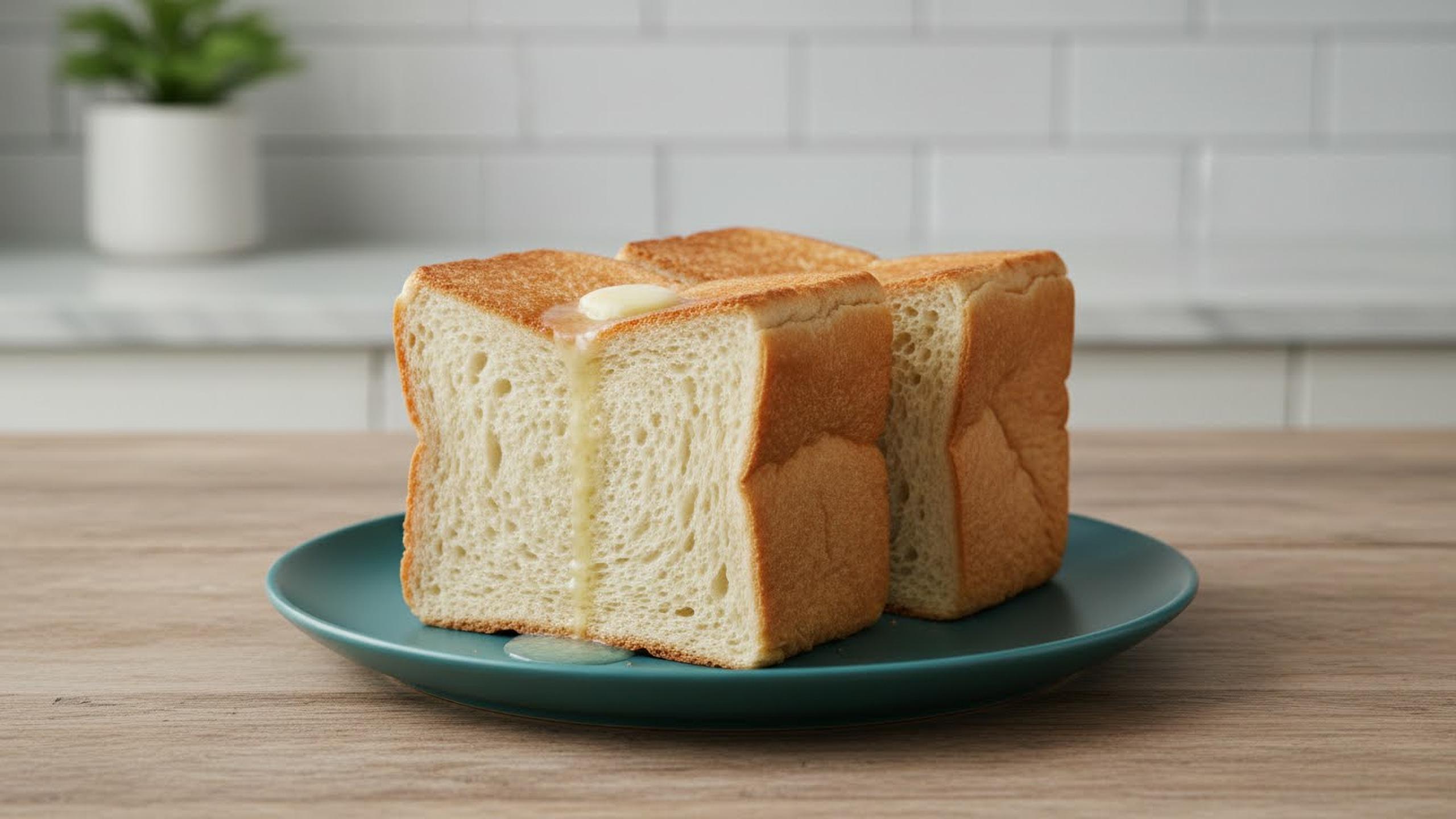
What is Shokupan?
Shokupan, which translates to “eating bread,” is a staple in Japan, found everywhere from convenience stores to artisanal bakeries. While bread isn't a traditional part of Japanese cuisine, shokupan became popular after World War II, when Japanese bakers
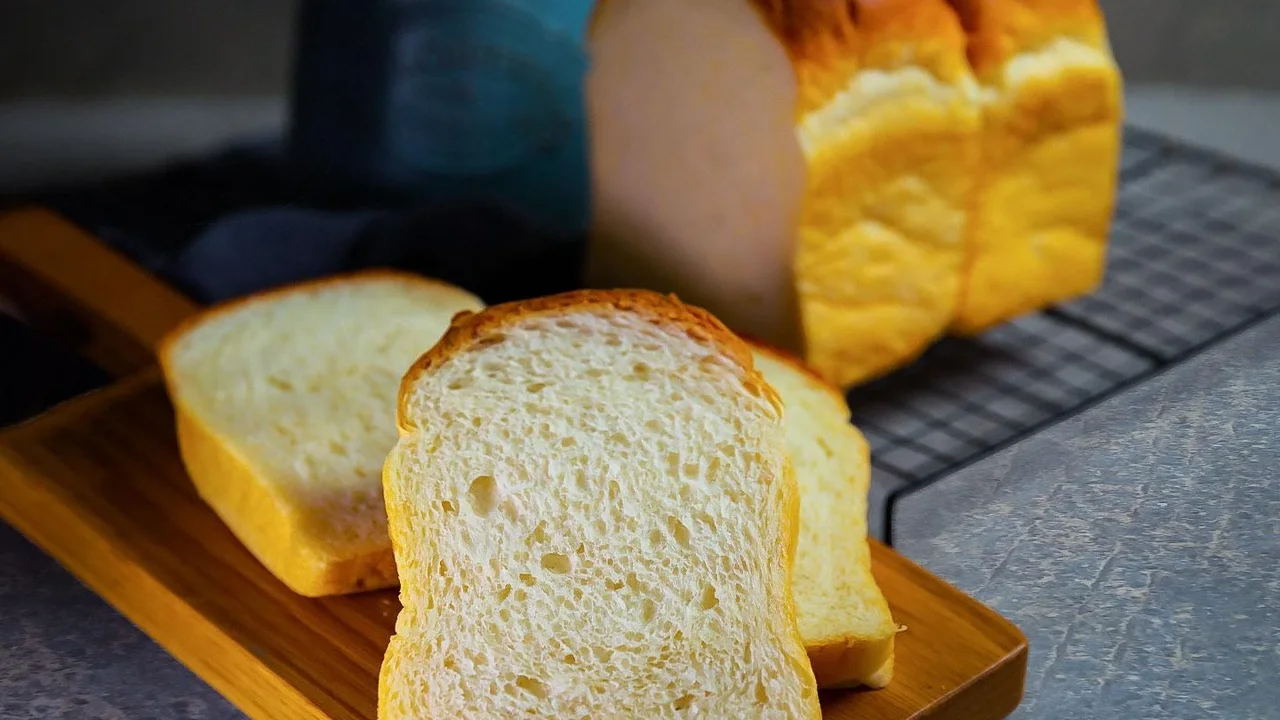
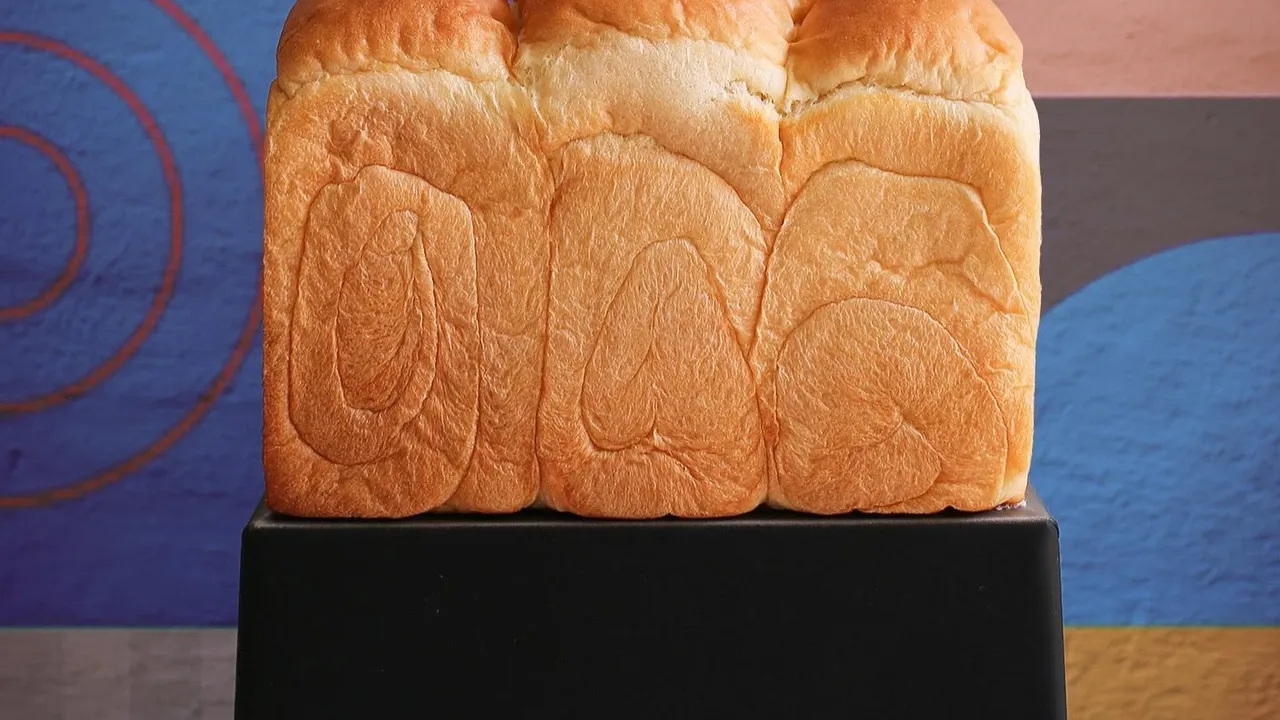
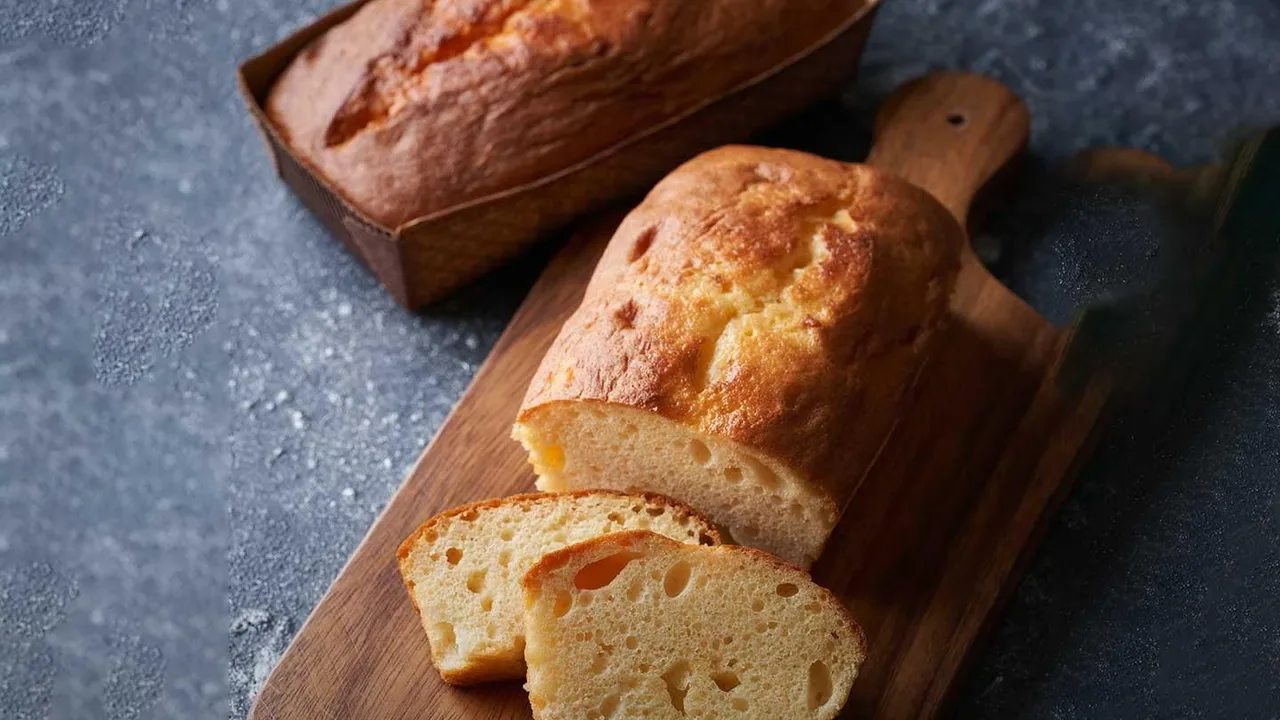
adapted Western-style loaves to local tastes. The result is a bread with a pillowy, moist, and slightly chewy consistency, a subtly sweet, milky flavour, and a thin crust. It's often baked in a special lidded pan called a Pullman loaf pan, which gives it a perfectly square shape and a very fine, tight crumb.
The Secret to Its Softness
The magic behind shokupan’s incredible texture lies in a special technique known as the Tangzhong or Yudane method. This involves cooking a small portion of the flour and a liquid (water or milk) into a thick paste before adding it to the rest of the dough ingredients. This pre-gelatinizes the starches in the flour, allowing them to absorb and hold onto significantly more moisture. The result is a dough that is wonderfully hydrated, leading to a loaf that is incredibly soft, springy, and stays fresh for longer than conventionally made bread. This method is the key to achieving that signature mochi-like, bouncy quality.
More Than Just a Feeling
While the texture is the main draw, the flavour of shokupan is an essential part of its charm. Unlike some Western white breads that can be bland, shokupan is enriched with milk, sugar, and sometimes butter or cream, giving it a gentle sweetness and a rich, milky aroma. This delicate flavour profile makes it incredibly versatile. It’s delicious enough to be eaten on its own, torn straight from the loaf, but it also serves as the perfect canvas for both sweet and savoury applications. The experience is a complete sensory one: the perfect rectangular appearance, the pristine white interior, and the irresistible softness make it a triumph of baking.
The Best Ways to Enjoy It
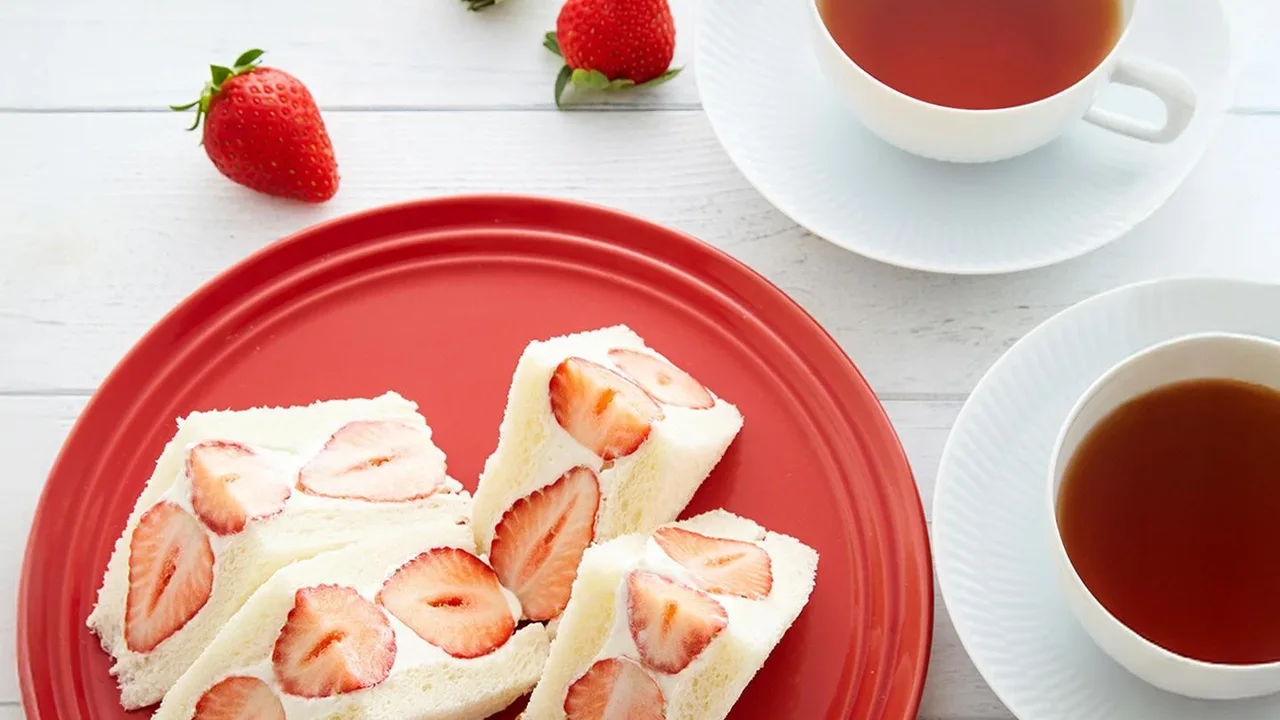
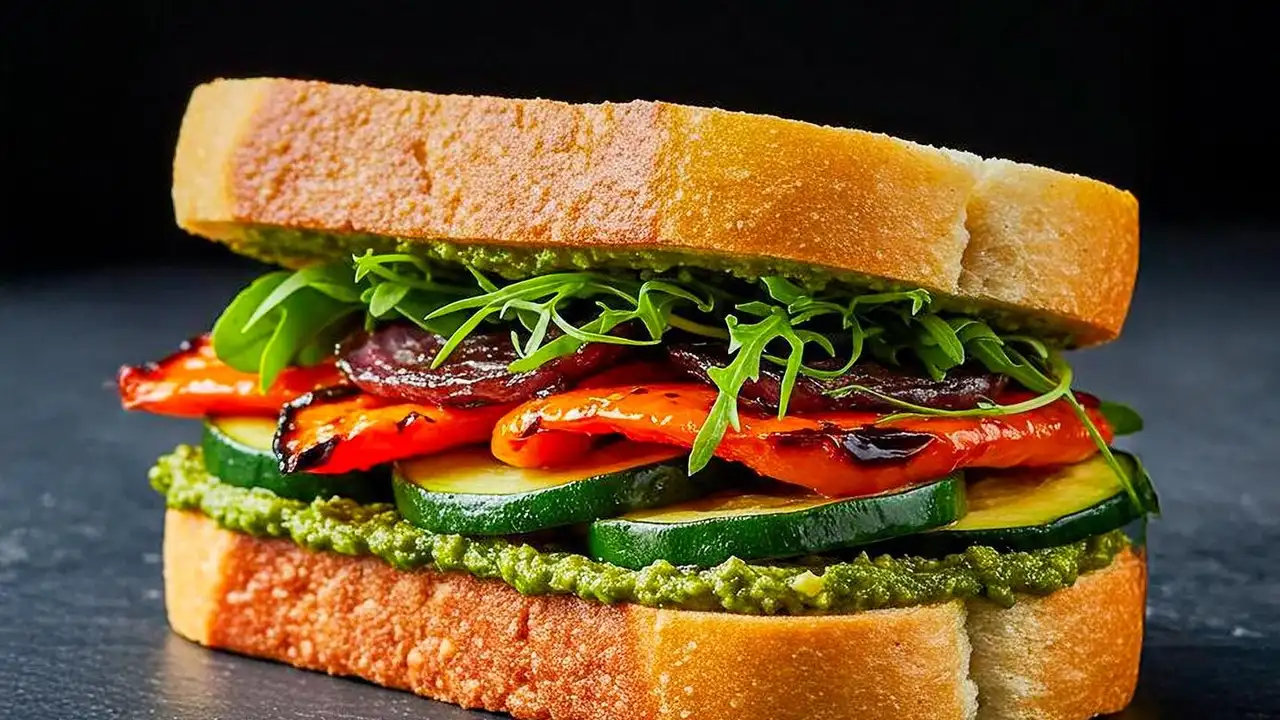
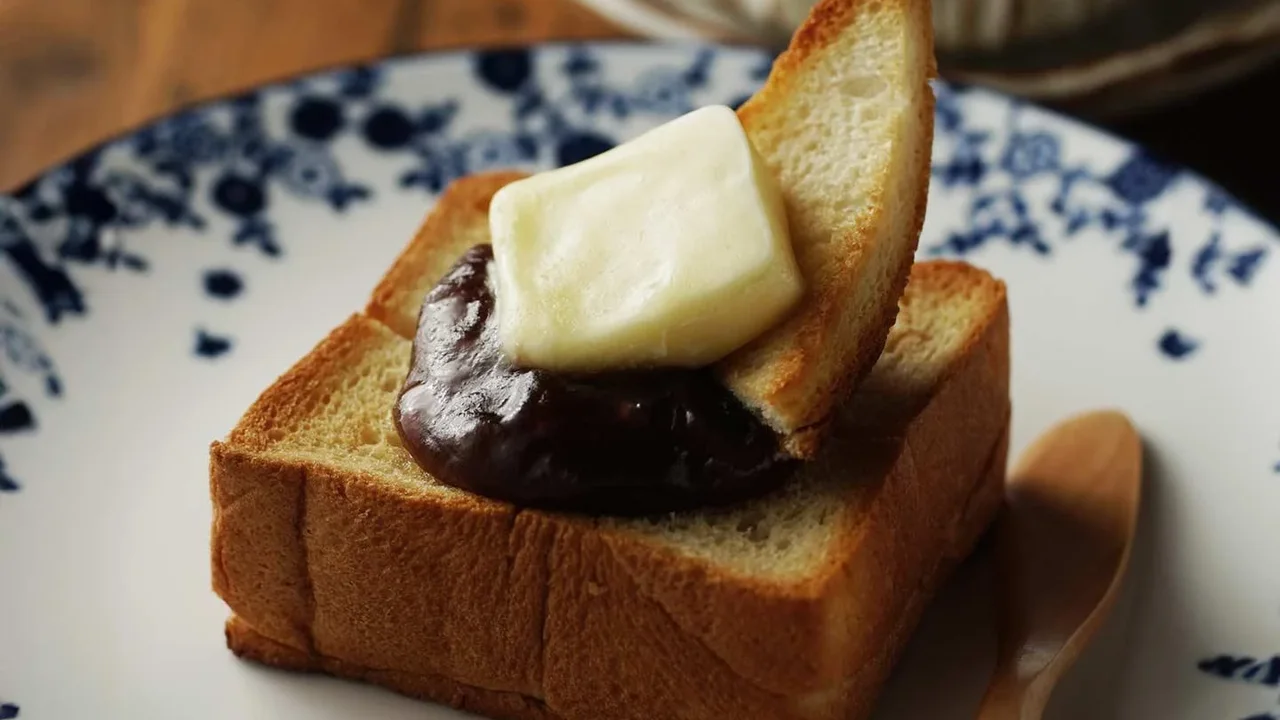
In Japan, shokupan is a beloved breakfast food, often served as a thick-cut slice of toast. When toasted, the outside becomes lightly crisp while the inside remains impossibly soft and steamy. A simple spread of butter is often all it needs. It's also the star of the iconic Japanese sandwich, or 'sando.' Its sturdy yet soft structure makes it ideal for holding fillings without becoming soggy, from the classic egg salad sando to the visually stunning fruit sando, where whipped cream and fresh fruits are nestled between two pillowy slices. Whether eaten plain, toasted, or as part of a sandwich, the unique texture always remains the highlight of the experience.