





What is Packaged Food Inflation?
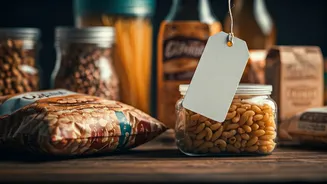
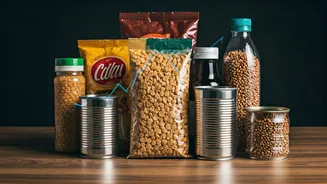
It’s not just your imagination; the price of your weekly grocery haul is indeed going up. Packaged food inflation refers to the rate at which the prices of processed and packaged food items increase over time. This includes everything from staples like
packaged atta and edible oils to comfort foods such as biscuits, snacks, and ready-to-eat meals. Unlike the fluctuating prices of fresh vegetables, which can change daily, packaged food prices tend to rise more steadily. Companies often absorb rising costs for a while, but eventually, these increases find their way to the price tags you see on the shelf. In India, food expenses make up a large portion of household spending, making even small, consistent price hikes noticeable and impactful.
Why Are Prices Climbing Right Now?
A combination of factors is making your favourite packaged goods more expensive. A primary driver is the rising cost of raw materials. Key ingredients like wheat, edible oils, and sugar have become more expensive for manufacturers due to both global market forces and domestic supply issues, such as erratic weather patterns affecting crops. Furthermore, the cost of energy has a ripple effect. Higher fuel prices increase transportation and logistics costs, making it more expensive to get products from the factory to your local store. Packaging itself, especially plastics and laminates derived from crude oil, has also become pricier, adding another layer of expense that companies eventually pass on to consumers.
Which Foods Are Most Affected?
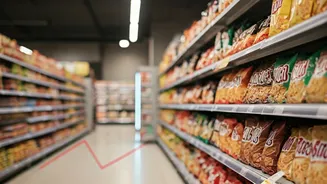
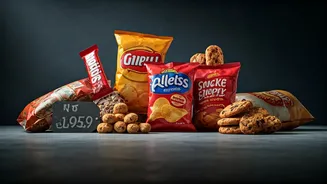
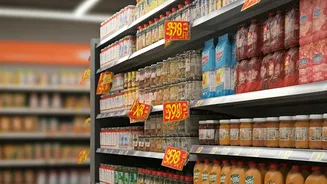
The price hikes are widespread across the FMCG (Fast-Moving Consumer Goods) sector. Recent data shows low-to-mid single-digit price increases on staples like edible oils, biscuits, tea, and packaged atta. For instance, major brands have increased prices on soaps and detergents by 4-10%, toothpaste by up to 9%, and edible oils by 6-10%. Instead of just raising the maximum retail price (MRP), some companies are resorting to a subtler strategy: reducing the quantity or grammage of the product while keeping the price the same. You might notice your favourite packet of biscuits has one less biscuit or your snack packet feels a little lighter. This is a tactic to manage rising input costs without alarming consumers with a direct price jump.
How Are Consumers Responding?
Indian households are adapting to the price pressures in savvy ways. One significant trend is a growing demand for smaller, low-priced packs. Sales of packs priced at Rs 5 and Rs 10 have been growing much faster than larger family packs. This allows families to manage their cash flow better, buying smaller quantities more frequently instead of making a large one-time expenditure. This shift is evident across categories, from edible oils, where 200ml packs are gaining popularity, to staples like atta, where consumers are opting for 1kg or 2kg bags over the larger 5kg packs. Companies are responding by increasing the production and availability of these smaller stock-keeping units (SKUs) to cater to this budget-conscious behaviour.
How Can You Manage Your Household Budget?
While you can't control inflation, you can adopt smarter shopping strategies to soften the blow. Start by planning your meals for the week; this helps you create a focused shopping list and avoid impulse buys. Before heading to the store, do a quick inventory of your pantry and fridge to avoid buying duplicates. When shopping, compare unit prices to see if buying in bulk makes sense for non-perishable staples like rice and lentils that your family uses regularly. Don't shy away from store brands for basic items like salt, sugar, or flour, as they often offer similar quality at a lower price. Finally, tracking your monthly food expenses, even with a simple notebook or a budgeting app, can provide powerful insights into where your money is going and help you identify areas to cut back.