




What is the Hemis Festival?
Held annually at the historic Hemis Monastery, about 45 kilometres from Leh in Ladakh, the Hemis Festival is a two-day celebration marking the birth anniversary of Guru Padmasambhava. Also known as Guru Rinpoche, he is credited with introducing Tantric
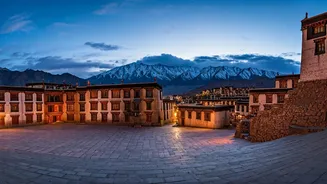
Buddhism to Tibet in the 8th century. The festival typically falls in June or July, according to the Tibetan lunar calendar. Monks and locals gather in the monastery's vast courtyard for a series of sacred rituals, but the main attraction is the mesmerising performance of the Chaam, or masked dances, that tell stories of gods, demons, and the triumph of good over evil.
The Heart of the Celebration: Chaam Dances
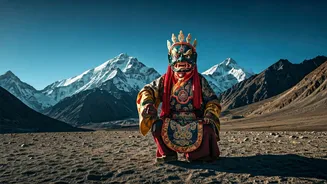
The Chaam dances are not mere entertainment; they are a profound form of meditation and a spiritual offering. Performed by trained monks, these slow, swirling dances unfold to the resonant sounds of long horns, cymbals, and drums. Each movement is symbolic, enacting the destruction of negative forces and reinforcing the core tenets of Buddhist philosophy. The central narrative revolves around Padmasambhava's battles against demons to protect the faith. Watching the Chaam is believed to cleanse the spirit, ward off evil, and bring blessings. The dances follow a strict sequence, culminating in the destruction of a dough effigy that represents the ego and dark forces, symbolising a spiritual victory for all who witness it.
Decoding the Masks and Characters
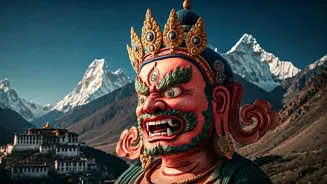
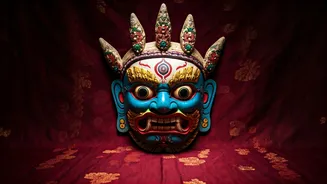
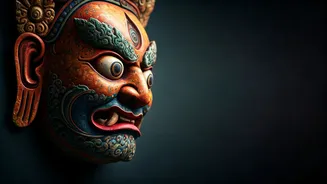
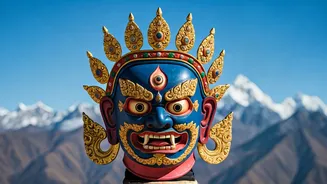
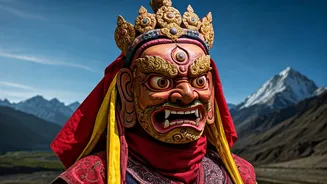
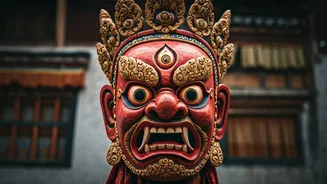
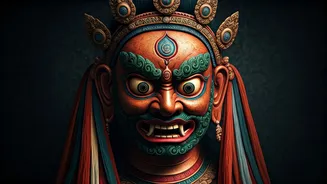
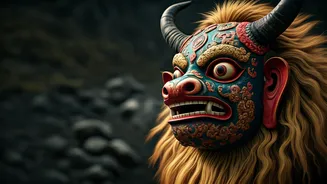
The soul of the Chaam lies in its elaborate masks. These are not simple disguises but representations of divine and wrathful deities, spirits, and historical figures. Keep an eye out for the central figure, Guru Padmasambhava, who appears in his eight different manifestations. You will also see Dharmapalas, or protector deities, with fearsome expressions, multiple eyes, and skull crowns. Their terrifying appearance is meant to frighten away evil spirits, not the audience. Lighter moments are provided by jesters and skeletal figures, who often interact with the crowd and offer comic relief while reminding viewers of life's impermanence. Understanding these characters transforms the viewing experience from a colourful pageant into a living story.
Beyond the Dances: The Full Experience
While the dances are the main event, the entire monastery comes alive during the festival. The air is thick with the scent of burning juniper incense. A giant silk appliqué of Guru Padmasambhava, known as a thangka, is unfurled in the courtyard once every 12 years, a truly rare sight. Local Ladakhis, dressed in their finest traditional attire, add to the vibrant atmosphere. Stalls outside the monastery sell handicrafts, jewellery, and local delicacies like butter tea and momos. The festival is a unique opportunity to immerse yourself in Ladakhi culture and witness a spiritual tradition that has remained largely unchanged for centuries.
Planning Your Visit: A Practical Guide
Attending the Hemis Festival requires planning. Leh, the nearest city, has an airport with connections to major Indian cities. From Leh, you can hire a taxi to Hemis Monastery. The most crucial part of your preparation is acclimatisation. Leh is at an altitude of 11,500 feet, and altitude sickness is a real risk. Plan to spend at least two to three days acclimatising in Leh before venturing to the festival or other high-altitude areas. Drink plenty of water and avoid strenuous activity upon arrival. Accommodation in Leh ranges from luxury hotels to guesthouses and homestays. Book well in advance, as the festival is a peak tourist season.
Festival Etiquette and Essential Tips
As a visitor, it's important to be respectful of the sacred ceremonies. Dress modestly, ensuring your shoulders and knees are covered. When taking photographs, avoid using flash and do not disrupt the performers or the audience. Always ask for permission before taking close-up pictures of locals or monks. Follow the flow of the crowd and listen to instructions from monastery officials. The courtyard can get very crowded, so arrive early to find a good vantage point. Remember, this is a religious event, not just a tourist attraction. A quiet, observant, and respectful demeanour will be greatly appreciated.