

The Monsoon Mushroom Challenge
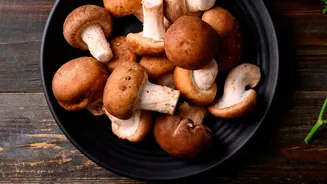
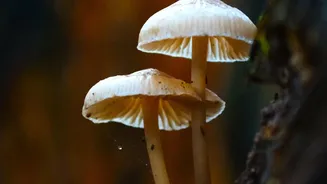
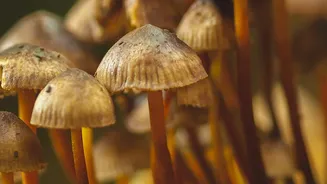
The high humidity and damp conditions of the Indian monsoon create the perfect breeding ground for all types of fungi, from the delicious to the deadly. While commercially grown mushrooms are a nutritious addition to any diet, the season sees a surge
in wild varieties, many of which are foraged and sold in local markets. The primary danger lies in misidentification. Many poisonous species closely resemble edible ones, and consuming them can lead to severe illness, organ failure, or even death. The warm, moist weather also causes all mushrooms, including store-bought ones, to spoil faster, increasing the risk of bacterial contamination and food poisoning.
Dangerous Lookalikes to Avoid
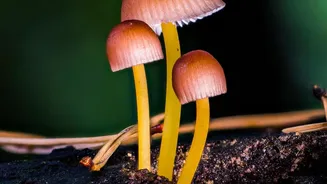
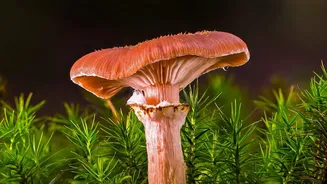
In India, several poisonous mushrooms are responsible for accidental poisonings, often because they are mistaken for edible types. The Amanita family, which includes the deadly 'Death Cap' (Amanita phalloides) and 'Destroying Angel' (Amanita virosa), is responsible for the vast majority of fatal mushroom poisonings worldwide and in India. Other toxic species found in regions across the country include Chlorophyllum molybdites, often called the 'false parasol', which causes severe gastrointestinal distress, and species from the Gyromitra, Inocybe, and Lepiota genera. There is no single rule—like colour or shape—to distinguish a safe mushroom from a toxic one. Some poisonous types may even look plain and unassuming.
Golden Rules for Safe Consumption
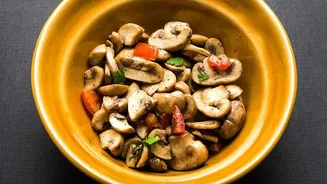
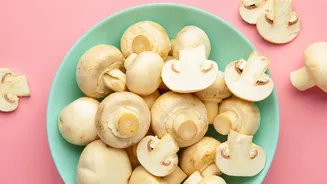
To enjoy mushrooms without risk, follow these essential safety rules. First and foremost, never eat a wild mushroom unless you are 100% certain of its identification, preferably confirmed by a mycologist or a trusted local expert. When buying, choose fresh, firm mushrooms from a reliable and hygienic vendor. Avoid any that are slimy, discoloured, bruised, or have an unpleasant smell. Store them properly in a refrigerator and consume them quickly. It's crucial to wash mushrooms only right before cooking to prevent them from becoming waterlogged and spoiling faster. Finally, always cook mushrooms thoroughly; never eat them raw. Cooking can help destroy some harmful microorganisms and improve digestibility.
Recognising the Symptoms of Poisoning
Mushroom poisoning symptoms can vary widely depending on the toxin ingested. Some mushrooms cause early symptoms, appearing within 30 minutes to four hours. These often include gastrointestinal issues like nausea, vomiting, stomach cramps, and diarrhoea. Other toxins, particularly the dangerous amatoxins found in the Amanita species, have a delayed onset. A person might feel fine for 6 to 24 hours after consumption before experiencing violent abdominal pain and vomiting. This initial phase can be followed by a deceptive period of apparent recovery, after which severe liver and kidney damage becomes evident, which can be fatal. Other symptoms can include hallucinations, excessive salivation, sweating, or confusion.
What to Do in an Emergency
If you or someone you know shows signs of illness after eating mushrooms, treat it as a medical emergency. Do not wait for symptoms to worsen. Seek immediate medical attention and go to the nearest hospital. If possible, take a sample of the mushroom that was consumed, even a cooked piece or vomit containing fragments. This can be crucial for mycologists to identify the species and for doctors to determine the correct treatment. Do not try to self-medicate or rely on unverified home remedies. Timely professional medical care is the most critical factor in surviving a serious mushroom poisoning.