



The Rise of 'Unbundled' Fares
To compete with low-cost carriers (LCCs), many full-service airlines now offer 'basic economy' or 'saver' fares. These are essentially unbundled tickets, where you pay a base price for just a seat and a personal item. Everything else, from checked luggage
to a meal, may cost extra. LCCs have long used this model, offering jaw-droppingly low initial prices that swell as you add necessary services. While this gives travellers more choice, it also means the fare you first see is rarely the price you'll actually pay. The key is to compare the total cost, not just the advertised fare.
Baggage: The First Major Add-on
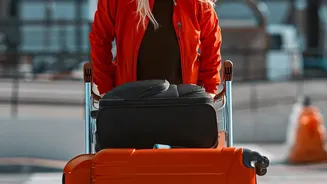
The most common and often most significant extra cost is for baggage. Most basic economy fares on both LCCs and legacy carriers do not include a free checked bag. Some are even more restrictive, only allowing a small personal item that must fit under the seat in front of you, with a fee for a standard carry-on bag. These fees can be substantial, especially if you pay them at the airport gate instead of pre-booking online. For a round-trip flight from India to Japan, baggage fees can easily add thousands of rupees to your total cost. Always check the airline’s baggage allowance for your specific fare class before assuming anything is included.
Seat Selection: Pay to Sit Together
Flying with family or friends? With a basic economy ticket, you'll likely be assigned a seat at check-in, and there's no guarantee your group will be seated together. If you want to choose your seat in advance—whether for extra legroom, a window view, or just to ensure you’re next to your travel companions—you'll have to pay an additional fee. This fee varies by airline and seat location, with aisle and exit row seats typically costing more. For long-haul flights to Japan, this can be a necessary expense for comfort, but it's another cost to factor into your budget.
In-Flight Meals and Comfort
On a long flight to Japan, a meal and a drink are often expected. However, on many LCCs and even some full-service carriers' basic fares, these are not included. You will need to purchase food and beverages on board, often at inflated prices. While some legacy airlines still provide complimentary meals and drinks on international long-haul routes even for basic economy, it's not a universal rule. Similarly, amenities like blankets and pillows might also come with a charge on the most basic ticket types. Checking the airline's policy on in-flight service is crucial to avoid surprise expenses.
Flexibility and Other Hidden Fees
One of the biggest drawbacks of budget fares is their inflexibility. Most basic economy tickets do not allow for changes or cancellations. If your plans change, you could lose the entire value of your ticket. Full-service fares, while more expensive upfront, often provide more flexibility for a fee. Other potential costs include fees for printing a boarding pass at the airport, travel insurance, and priority boarding. While many of these are optional, they are presented throughout the booking process and can add up if you're not paying close attention. It's also worth noting that these fares often don't earn frequent flyer miles or count toward elite status qualification.
How to Compare and Book Smart
To get a true sense of the cost, always proceed to the final payment screen when comparing flights. Add in the ancillary services you know you'll need, like a checked bag and a pre-selected seat. This will reveal the total price and allow for a fair comparison between a budget carrier and a full-service airline. Sometimes, a full-service carrier's standard economy fare, which includes baggage, meals, and seat selection, can be cheaper or only marginally more expensive than an LCC fare with all the necessary add-ons. Also, watch for special offers from full-service carriers like Japan Airlines, which sometimes include free domestic connecting flights within Japan on an international ticket, adding significant value.