


A Rejection of The Old Guard
The 1970s marked a significant departure from the rigid, heavily sprayed styles of the 1960s. As counterculture ideals seeped into the mainstream, a desire for more natural, free-flowing aesthetics took hold. Hair became a symbol of this liberation. Instead
of weekly roller sets and stiff helmets of hair, the '70s were about movement, texture, and a sense of effortless glamour. This shift was more than just a trend; it was a reflection of changing social attitudes, celebrating individuality and a more relaxed approach to beauty. The shag, the afro, and long, natural hair all spoke to this new ethos.
The Farrah Fawcett Phenomenon
No discussion of 70s hair is complete without mentioning Farrah Fawcett. When she debuted as Jill Munroe on 'Charlie's Angels' in 1976, her bouncy, sun-kissed, feathered haircut became an instant global phenomenon. Dubbed 'The Farrah' or the 'Farrah Flip', the style was a masterclass in soft volume. It featured long layers expertly brushed back and away from the face, creating wing-like tiers that moved with a life of their own. Her famous red swimsuit poster, which sold millions of copies, cemented the look as the aspirational hairstyle of the era, sending people flocking to salons with her picture in hand.
The Art of the Feather
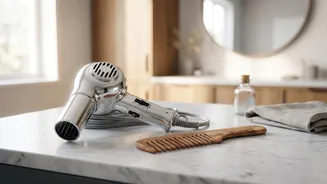
Achieving the feathered look was a technical innovation. The technique involves cutting layers into the hair and then styling them outwards and backwards, creating a texture reminiscent of a bird's feathers. This was a departure from previous blunt cuts and was often achieved using a razor for softer edges. The handheld blow dryer became a household essential, used with a round brush to flick the layers out. This combination of a specific cut and styling method created a look that was both voluminous and airy, a perfect blend of polished glamour and athletic ease.
Beyond the Flip: Other Icons of Volume
While Farrah was the queen of feathered hair, she wasn't the only one defining the decade's voluminous styles. In 1976, figure skater Dorothy Hamill captured hearts and a gold medal at the Winter Olympics, and her practical yet chic 'wedge' cut became an instant sensation. This short, layered style had volume and movement that was perfect for an athlete, and it was soon copied by women across the country. On the men's side, actors like John Travolta popularized a similar feathered style, making it a truly unisex trend. Rock stars like Stevie Nicks and Jane Fonda embraced the shag, another heavily layered cut that prioritized texture and volume.
The Modern Revival
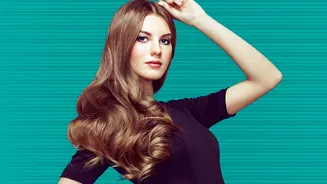
Like all great trends, 70s hair is experiencing a major comeback. Modern interpretations like the 'wolf cut' and 'butterfly cut' draw heavily on the layered, voluminous principles of the shag and the Farrah. Curtain bangs, another 70s staple, have become one of the most popular and wearable retro trends, celebrated for their face-framing softness. Today, influencers on social media platforms showcase tutorials on how to achieve the 'Fawcett Flip' with modern tools like hot rollers and curling wands. The revival speaks to the timeless appeal of hair that is full of life, movement, and personality.