






The Foundation: Grains and Lentils
The staples of any Indian kitchen are grains and lentils, which form the base of most meals. A weekly shop for a small family of two to three people would typically include essentials like wheat flour (atta) and rice. Based on current all-India average
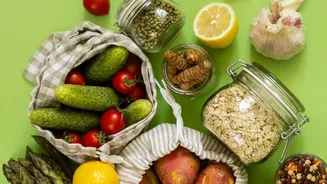
retail prices, about 2kg of atta would cost approximately ₹75, while 1.5kg of rice would be around ₹70. Lentils, or dals, are the primary protein source. A mix of 500g of Tur (Arhar) dal and 500g of Gram (Chana) dal would add about ₹65 and ₹45 respectively to your bill. These items are often bought in larger monthly quantities, but breaking it down weekly, your core grains and lentils will set you back roughly ₹255.
The Core of the Meal: Fresh Vegetables
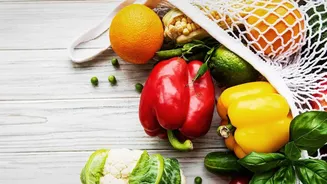
Vegetable prices are the most volatile part of any grocery budget, fluctuating based on season, region, and even weather patterns. A basic weekly vegetable basket includes staples like onions, potatoes, and tomatoes. As of mid-October 2026, prices for these have been firm, with onions at around ₹50-60 per kg, potatoes at ₹35-40 per kg, and tomatoes at ₹30-40 per kg. For a week, you might budget for 1kg of onions (₹55), 1.5kg of potatoes (₹55), and 1kg of tomatoes (₹35). Adding a couple of seasonal green vegetables like cabbage or a bunch of spinach might cost another ₹100-150. A conservative weekly vegetable budget would therefore be around ₹300 to ₹350. Shopping at local mandis instead of supermarkets can often lower this cost significantly.
Essential Dairy and Protein
For vegetarians, dairy is a crucial source of calcium and additional protein. Milk is a daily purchase for many. Three litres for the week would cost around ₹185, based on an average price of about ₹61.5 per litre. Yogurt (dahi) is another staple, with a 500g container costing about ₹50-70. Paneer, a favourite for special meals, is more of a premium item. A 200g block of fresh paneer typically costs between ₹80 and ₹100 from a local dairy or brand. In total, your essential dairy expenses for the week would land in the range of ₹315 to ₹355.
Flavour and Cooking: Oils and Spices
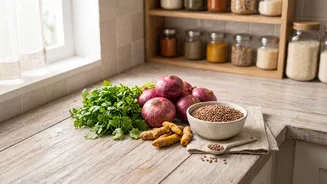
While the initial outlay for a full spice box can be significant, the weekly cost is quite low once you are stocked up. Items like turmeric, chilli powder, and coriander powder are used in small quantities. A reasonable weekly estimate for the consumption of basic spices, along with essentials like ginger and garlic, is about ₹70-₹90. Cooking oil is another recurring expense. A one-litre pouch of sunflower or soybean oil costs around ₹130, but a family would likely use about half of that in a week. Therefore, a weekly budget of around ₹150 for oils, basic spices, ginger, and garlic is a practical estimate.
The Final Tally: A Sample Weekly Bill
So, what’s the grand total? Let's add it all up for a basic weekly vegetarian grocery run for a small family. Grains & Lentils: ₹255 Vegetables: ₹325 Dairy (Milk, Dahi, Paneer): ₹335 Oil & Spices: ₹150 This brings the total estimated cost to ₹1,065 per week. This figure represents a foundational, no-frills grocery list. It covers three nutritious meals a day but doesn't include snacks, fruits, or any specialty or organic items. Depending on your location (metro cities are often more expensive), shopping habits, and brand preferences, this cost could easily vary by 15-20% in either direction, putting the practical range between ₹900 and ₹1,300.