


The aroma of chestnuts roasting is a hallmark of the festive season, but the reality can often be dry, stubborn nuts that are impossible to peel. The secret to a tender, sweet result lies in one simple, game-changing step: a brief soak.
The Science of the Soak
Why does soaking
work so well? It’s all about steam. When you roast chestnuts, the intense dry heat of the oven can quickly dehydrate the nut inside, leaving it tough and chewy. By soaking the scored chestnuts in water, the shell and the nut itself absorb moisture. As they heat up in the oven, this trapped water turns into steam. This internal steaming action cooks the chestnut from the inside out, ensuring the flesh becomes wonderfully tender and moist while the outside roasts to perfection. This process not only improves the texture but also makes peeling significantly easier, as the steam helps the shell and the pesky inner skin pull away from the nut.
How to Score Your Chestnuts
Before you even think about soaking, you must score each chestnut. This step is non-negotiable, as it prevents them from exploding under the pressure of the steam you’re about to create. Using a sharp paring knife or a serrated knife, carefully cut an ‘X’ or a single deep slit across the rounded side of each chestnut. The goal is to pierce through the hard outer shell completely. Some find it safer to place the chestnut flat-side down on a cutting board to keep it steady while cutting the rounded top. Don’t worry if you nick the nut inside slightly, but try to focus on just getting through the shell.
The Soaking Process Step-by-Step
Once all your chestnuts are scored, place them in a large bowl. Cover them completely with water. While some methods use cold water for an hour or more, a quick soak in hot or room-temperature water for about 15 to 30 minutes is also effective. This brief bath is enough to allow the nuts to absorb the necessary moisture for the steaming process. Longer soaks of up to an hour are also fine and can further soften the shells. After soaking, drain the chestnuts well and pat them dry with a clean kitchen towel before they head to the oven. This ensures they roast rather than just boil.
Roasting to Perfection
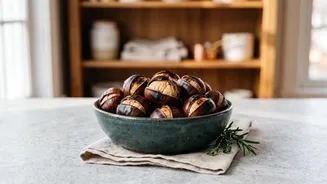
Preheat your oven to a temperature between 350°F (180°C) and 425°F (220°C); many recipes find success around 400°F (200°C). Arrange the dried, scored chestnuts in a single layer on a baking sheet, ensuring the cut side is facing up. This allows the shells to peel back effectively as they roast. Roasting time will vary depending on the size of your chestnuts and your oven temperature, but generally takes between 15 and 30 minutes. You'll know they’re done when the shells have curled back at the cuts, the nuts are tender, and your kitchen is filled with that classic, irresistible aroma.
The Final Touch for Easy Peeling
The work isn’t quite over when the chestnuts come out of the oven. For maximum ease of peeling, you’ll want to steam them one last time. Immediately transfer the hot chestnuts from the baking sheet into a clean kitchen towel. Wrap them up tightly to form a small pouch and let them sit for 5 to 10 minutes. This traps the residual heat and steam, making both the tough outer shell and the thin, papery inner skin much easier to remove. It’s crucial to peel them while they are still warm, as they become notoriously difficult to handle once they cool down completely.