






What is Fibre and Why Does it Matter?
Dietary fibre is a type of carbohydrate found in plant-based foods that your body can't digest. There are two main types: soluble and insoluble. Soluble fibre dissolves in water to form a gel-like substance, which can help lower cholesterol and blood
sugar levels. Insoluble fibre adds bulk to stool and helps food pass more quickly through the digestive system, aiding regular bowel movements. A high-fibre diet is crucial for maintaining good health. It supports digestion, helps you feel full for longer (aiding weight management), stabilises blood sugar, and is linked to a lower risk of heart disease, type 2 diabetes, and certain cancers.
The Heart of the Meal: Dals and Legumes
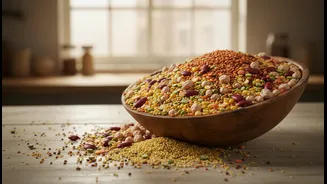
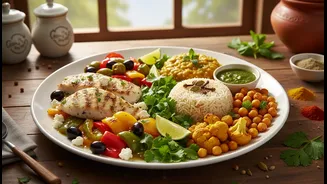
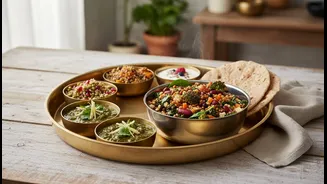
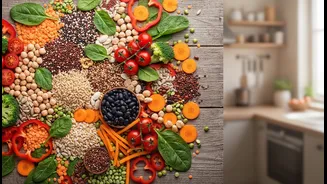
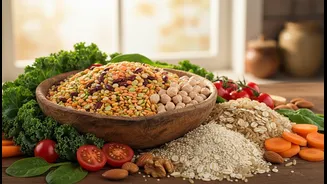
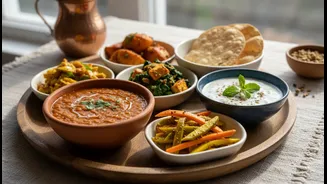
The humble dal, a staple in nearly every Indian household, is a powerhouse of fibre and protein. Lentils and legumes like moong, masoor, toor, chana (chickpeas), and rajma (kidney beans) are foundational to a fibre-rich diet. A single serving of dal can contribute significantly to your daily fibre needs. For instance, a cup of cooked chana dal contains around 11 grams of fibre, while moong dal is also a strong contender. Including a bowl of dal, chana masala, or rajma curry in your main meals is one of the easiest and most traditional ways to boost your fibre intake. Whole pulses generally offer more fibre than split and skinned versions, but both are excellent choices.
Choosing Your Grains Wisely
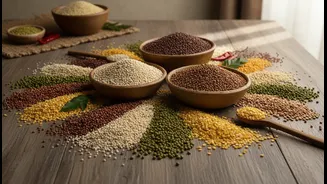
The choice of grain makes a significant difference. Traditional Indian breads like roti, chapati, and bhakri made from whole wheat flour (atta) are good sources of fibre. The refining process that turns whole wheat into maida (white flour) strips away the bran, which is the fibre-rich outer layer of the grain. Similarly, opting for brown rice over polished white rice increases your fibre intake. Beyond wheat and rice, India's diverse culinary landscape includes millets like jowar (sorghum), bajra (pearl millet), and ragi (finger millet). These ancient grains are not only naturally high in fibre but also packed with other essential nutrients, making them a fantastic addition to your diet.
The Colourful World of Sabzis
Vegetables are a cornerstone of Indian cooking and a vibrant source of dietary fibre. A standard Indian meal is rarely complete without a side of sabzi. Common vegetables like bhindi (okra), carrots, green peas, beans, cauliflower, and leafy greens such as spinach (palak) and fenugreek (methi) are all packed with fibre. The key is variety and quantity. Aim to fill at least a third of your plate with vegetables. Eating a kachumber salad (a simple mix of chopped onions, tomatoes, and cucumber) with your meal is another simple yet effective way to add more raw fibre to your diet.
Don't Forget Fruits, Nuts, and Seeds
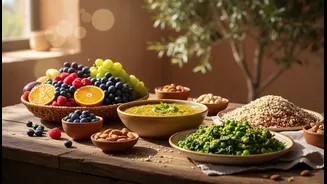
Fruits are another excellent, natural source of fibre. Indian staples like guava, papaya, apples, and bananas are great choices. Eating the whole fruit is always better than drinking its juice, as juicing removes the fibrous pulp. Nuts and seeds like almonds, peanuts, sesame seeds, and flaxseed also contribute to your daily fibre goals, alongside healthy fats. A handful of roasted chana makes for a perfect high-fibre, high-protein snack. Sprinkling some ground flaxseed into your morning curd or adding sesame seeds to a chutney are easy ways to incorporate these nutrient-dense foods.