



Master Your Grocery Shopping
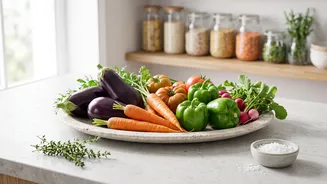
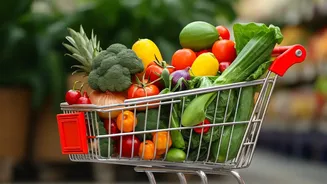
The first step to reducing waste happens before you even start cooking. Over-purchasing is a primary cause of household food spoilage. Create a weekly meal plan and make a detailed shopping list. Before heading to the store, take a quick inventory of your
fridge and pantry to avoid buying duplicates. This simple habit prevents the common problem of discovering wilted greens or expired products you forgot you had. For perishable items, consider buying smaller quantities more frequently instead of a large weekly stock-up. This is especially true for fresh produce that can spoil quickly.
Smart Storage for Indian Staples
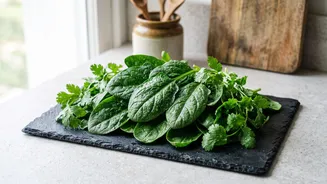
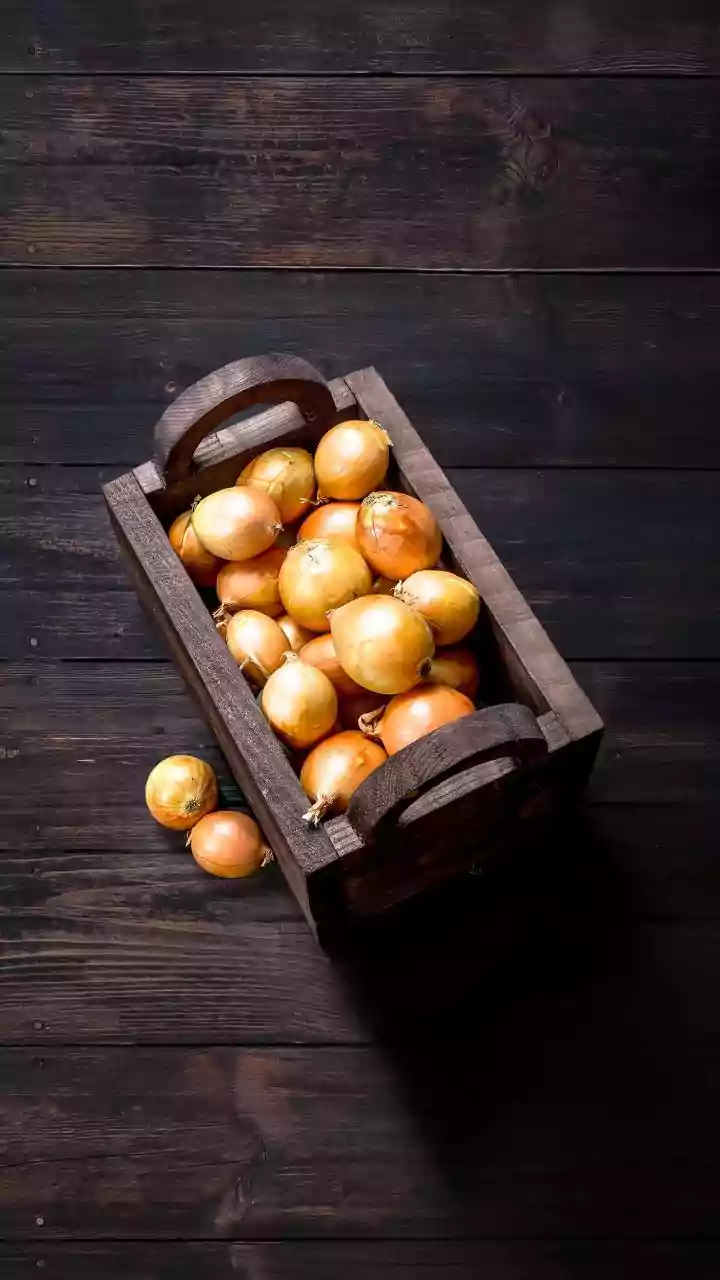
Proper storage is crucial for extending the life of your ingredients. Leafy greens like coriander and mint can be kept fresh for longer by wrapping them in a paper towel and storing them in an airtight container in the fridge. Onions and potatoes should be stored in a cool, dark, and dry place, but kept separate as they can cause each other to spoil faster. Spices, the heart of Indian cooking, should be kept in airtight containers away from heat and direct sunlight to preserve their flavour and aroma for months. Whole spices will last much longer than ground ones, so consider grinding them in small batches as needed.
Embrace the 'First In, First Out' Rule
The 'First In, First Out' (FIFO) principle is a simple but effective system used by professional kitchens. When you buy new groceries, move the older items to the front of your fridge and pantry, and place the new items at the back. This ensures that you use up food before it has a chance to expire. It takes a few extra seconds when unpacking your groceries but can save you a significant amount of money and prevent perfectly good food from being thrown away.
Get Creative with Leftovers
Leftovers are not a sign of failure; they're an opportunity for creativity. Yesterday's dal or sabzi can be transformed into a delicious new meal. Use leftover vegetable curries as a stuffing for parathas or sandwiches. Extra rotis can be cut into triangles and baked into crispy 'nachos'. Leftover rice can be quickly turned into flavourful fried rice with a few spices and vegetables. Even a rich curry like butter chicken can be repurposed as a unique pasta sauce or a filling for a savoury pie. Thinking of leftovers as ingredients for the next meal is a cultural tradition in many Indian homes and a powerful way to reduce waste.
Use Every Part of the Vegetable
Many parts of vegetables that we habitually throw away are perfectly edible and nutritious. For instance, cauliflower stems and leaves can be chopped and added to dals, soups, or stir-fries. The peels of vegetables like carrots and potatoes can be roasted into crispy chips. The water used to boil vegetables is rich in nutrients and can be used as a base for soups or to cook rice and dal, adding extra flavour. Adopting this 'root-to-stem' approach not only cuts down on waste but also maximizes the nutritional value you get from your produce.
Perfect Your Portion 'Andaaz'
Over-preparation is one of the most common reasons for food waste at home. While the Indian tradition of 'andaaz' (estimation) is an art, it can sometimes lead to cooking far more than needed. Pay closer attention to portion sizes based on how many people are actually eating. If you do cook extra, serve smaller portions initially and allow family members to take second helpings if they are still hungry. This prevents plate waste, which is food that gets discarded simply because too much was served.