



The Great Repotting Myth
Many plant owners believe an annual repotting is a mandatory part of plant care. We see our green friends growing and assume they must need more space. While well-intentioned, repotting a plant that doesn't need it can cause unnecessary stress, leading
to wilted leaves, stunted growth, or even death. A plant's recovery from this process, often called transplant shock, takes energy that could otherwise be used for new growth. Furthermore, moving a plant into a pot that is too large can lead to root rot, as the excess soil holds too much moisture, starving the roots of oxygen. The goal should be to repot only when it is genuinely beneficial for the plant's health, not just because a certain amount of time has passed.
How to Read the Roots
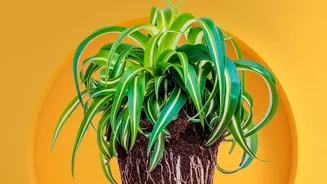
The best way to know if your plant needs a new home is to check its roots. Gently slide the plant out of its pot to inspect the root ball. Healthy roots are typically firm and white or tan-coloured. If you see a balanced mix of soil and roots, and the roots are fleshy with white tips, the system is healthy and has room to grow. In this case, your plant is content. However, if you see a dense, tangled mass of roots circling the bottom of the pot, your plant is 'root-bound' or 'pot-bound'. Other tell-tale signs include roots visibly growing out of the drainage holes or the plant pushing itself up and out of the pot. This indicates there's no more space for the roots to expand, which restricts nutrient and water uptake.
What Good Drainage Looks Like
Proper drainage is just as crucial as root health. Without it, water can stagnate at the bottom of the pot, leading to waterlogged soil and the dreaded root rot. A healthy drainage system allows excess water to escape freely every time you water. If you notice water pooling on the soil's surface or it takes a very long time to drain, the drainage holes might be blocked. Another red flag is soil that remains soggy for days after watering. Good drainage ensures that air can circulate around the roots, preventing the buildup of harmful salts from fertilizers and providing the oxygen necessary for the plant to thrive. If the pot has clear drainage holes and the soil dries out at a reasonable rate, your plant's environment is likely in good shape.
When It Is Actually Time for a New Pot
While you shouldn't repot on a rigid schedule, there are clear signs that a plant has outgrown its home. The most obvious is a dense network of roots pushing out of the drainage holes. Another key indicator is how quickly the soil dries out; if you have to water far more frequently than you used to, it's a sign that the root-to-soil ratio is too high and the pot can no longer retain enough moisture. Similarly, if water runs straight through the pot without seeming to moisten the soil, the roots may have become so compacted that they are repelling water. You might also notice that the plant's growth has slowed significantly or stopped altogether, or that new leaves are smaller than usual, which can signal that the roots have run out of room and nutrients.
The Benefits of Staying Put
If the roots and drainage are healthy, leaving your plant in its current pot is often the best course of action. This stability allows the plant to establish a strong root system without the repeated stress of adjusting to a new environment. In fact, some popular houseplants like Spider Plants, Jade Plants, and Peace Lilies actually prefer to be slightly root-bound and can produce more flowers or offshoots when their roots are snug. A plant that is thriving, disease-free, and not outgrowing its pot can often be maintained with simple measures like refreshing the top layer of soil or providing regular fertilizer, rather than a full repot. By learning to read your plant's signals, you can provide better care with less work.