





What Are These Freight Corridors?
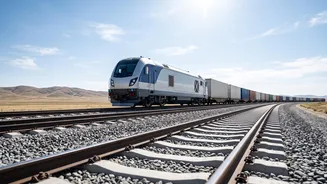
After nearly two decades of construction, the Eastern and Western Dedicated Freight Corridors (EDFC and WDFC) are now fully operational. Think of them as exclusive highways for goods trains. The WDFC stretches 1,506 km from Dadri in Uttar Pradesh to Jawaharlal
Nehru Port (JNPT) in Mumbai, while the 1,337-km EDFC connects Punjab's Ludhiana to Sonnagar in Bihar. These aren't just regular tracks; they are a high-capacity, electrified network built specifically to move freight. By creating a separate path for cargo, the project’s primary goal is to untangle the nation's busiest railway lines, which have long been shared by slow-moving goods trains and faster passenger services.
The Decongestion Domino Effect
The core logic is simple: get the goods trains off the main lines. Currently, passenger and freight trains compete for space, causing delays for both. With the commissioning of the DFCs, a significant portion—up to 70%—of freight traffic is expected to migrate to these dedicated routes. This migration frees up immense capacity on the existing railway network, particularly on the hyper-congested lines leading into and out of Mumbai. This newly available space is the key to revolutionising the suburban network. With fewer freight trains clogging the tracks, railway authorities gain the flexibility to run more local services, improve punctuality, and reduce the crippling overcrowding that defines the Mumbai commute.
More Local Trains and Faster Journeys?
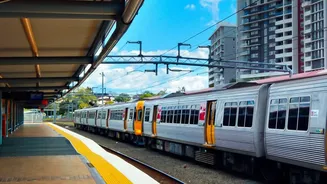
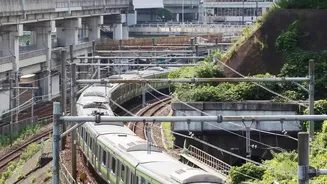
The completion of the DFCs provides the foundation for a significant capacity increase in Mumbai's suburban network. With tracks cleared of freight traffic, Indian Railways can introduce more local train services. Plans are already in motion, aligning with the Mumbai Urban Transport Project (MUTP), which aims to add new lines, extend platforms to accommodate longer 15-car trains, and introduce hundreds of new-generation air-conditioned rakes. The first of 238 new AC locals is expected in 2027, with the full fleet arriving by 2030. These upgrades, made possible by the DFCs, are projected to increase daily services in Mumbai to 3,500 by 2030. For commuters, this translates into potentially less crowded trains, higher frequency, and more reliable schedules.
A Boost for the Broader Economy
The benefits extend far beyond the daily commute. The DFCs are set to transform India's logistics landscape. By enabling double-stack container trains to run at higher speeds, goods can move from ports to industrial hubs in a fraction of the time. For example, transit that once took three days by road can now be completed in about 12 hours by rail on the WDFC. This efficiency is expected to slash India's logistics costs from around 14% of GDP to a globally competitive 7%, boosting export competitiveness. Faster movement of cargo to and from JNPT strengthens supply chains, supports industrial growth across the Mumbai Metropolitan Region, and reduces carbon emissions by shifting freight from road to electric rail.
When Will Commuters Feel the Difference?
While the freight corridors are now fully operational as of September 2026, the benefits for local commuters won't be instantaneous. The process is gradual. Indian Railways and the Mumbai Railway Vikas Corporation (MRVC) will now leverage the freed-up capacity to execute planned upgrades. This involves remodelling yards, upgrading signalling systems, and extending platforms to handle the planned 15-car and new AC services. Commuters are already seeing some increases in 15-car services. The rollout of the 238 new AC trains is scheduled between 2027 and 2030. So, while the foundation is laid, the full impact on daily travel will be felt progressively over the next few years as these associated infrastructure projects are completed.