





First, Understand Your Light
Before you even buy a plant, the most crucial step is to assess the natural light in your apartment. This one factor determines which plants will thrive versus which will struggle. Start by observing your windows. A south-facing window will offer the brightest,
most direct light, which is great for sun-loving plants like succulents. East-facing windows provide gentle morning light, while west-facing ones get strong afternoon sun. North-facing windows offer the least light, making them suitable only for shade-tolerant species. Don't have a sunny spot? Many popular houseplants are perfectly happy with indirect light, which is the ambient brightness in a room that isn't in the direct path of the sun’s rays.
Choose the Right Plant for Your Space
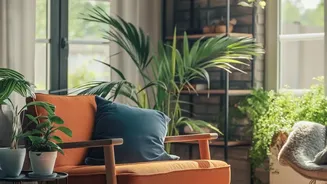
Once you know your light conditions, you can choose plants that are set up for success. For those lower-light corners common in Indian apartments, you can't go wrong with the Snake Plant or the ZZ Plant; both are famously resilient and tolerate neglect. The ever-popular Money Plant (Pothos) is another excellent choice that adapts well to various light levels and is very forgiving for beginners. If you have a spot with bright but indirect light, consider an Areca Palm for a tropical feel or a Peace Lily, which can even produce its elegant white blooms in shadier conditions. Starting with 3-5 easy plants helps build confidence without feeling overwhelmed.
Master the Art of Watering
The single most common mistake new plant owners make is overwatering. More plants die from too much care than too little. Instead of watering on a rigid schedule, get into the habit of checking the soil first. The best method is simple: stick your finger about an inch or two into the soil. If it feels dry, it's time to water. If it's still damp, wait another day or two. When you do water, do it thoroughly until water runs out of the drainage hole at the bottom of the pot, and be sure to empty any excess water from the saucer underneath. This ensures the roots get a good drink without sitting in a puddle, which can cause root rot.
Soil, Pots, and Food Essentials
Healthy plants start with a good foundation. Always use a quality potting mix, not soil from an outdoor garden, which is too dense for containers. A good mix allows for proper drainage and aeration for the roots. When selecting a pot, ensure it has a drainage hole. This is non-negotiable for preventing water-logging and root rot. As for feeding, most indoor plants benefit from a balanced fertilizer, but only during their growing season (typically spring and summer). Nutrients in the soil get used up over time, so a little food helps keep them vibrant. Reduce feeding in the winter when growth naturally slows down.
Simple Habits for Long-Term Health
Caring for your plants can become a simple, therapeutic routine. Once a week, take a moment to check on your green friends. Gently wipe their leaves with a damp cloth to remove dust, which can block light and hinder photosynthesis. Keep an eye out for any pests like spider mites or mealybugs, which are easier to treat when caught early. Snip off any yellowing or dead leaves to keep the plant looking tidy and direct its energy toward new growth. As your plant grows, it may eventually need a larger pot, but most happy plants only need to be repotted every year or two.