



From Stigma to Self-Care
Not long ago, eating alone in public was seen as a mark of loneliness. Today, it’s increasingly viewed as an act of independence and mindfulness. This cultural shift is being driven by several factors, including the rise of single-person households, the flexibility
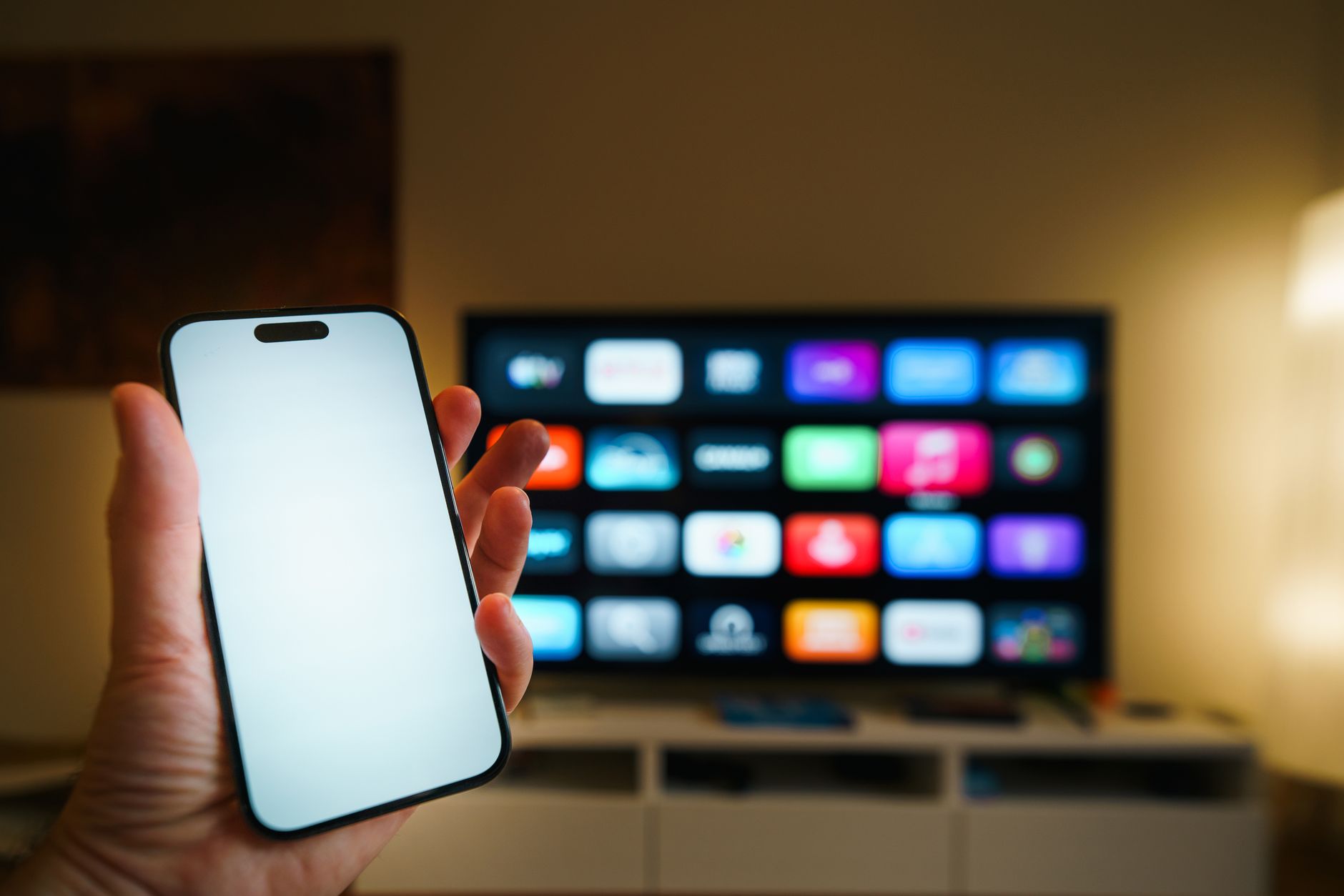
of remote work, and a growing emphasis on personal time and well-being. For many, especially among Millennials and Gen Z, a solo meal is a deliberate choice—a chance to recharge, enjoy food without distraction, and savour their own company. This isn't about isolation; it's about agency and a newfound comfort with solitude that is reshaping Indian consumer habits, from streaming choices to what's for dinner.
Restaurants Rethink the Experience
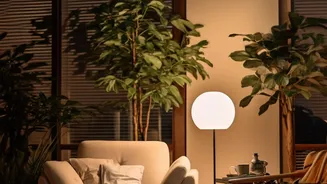
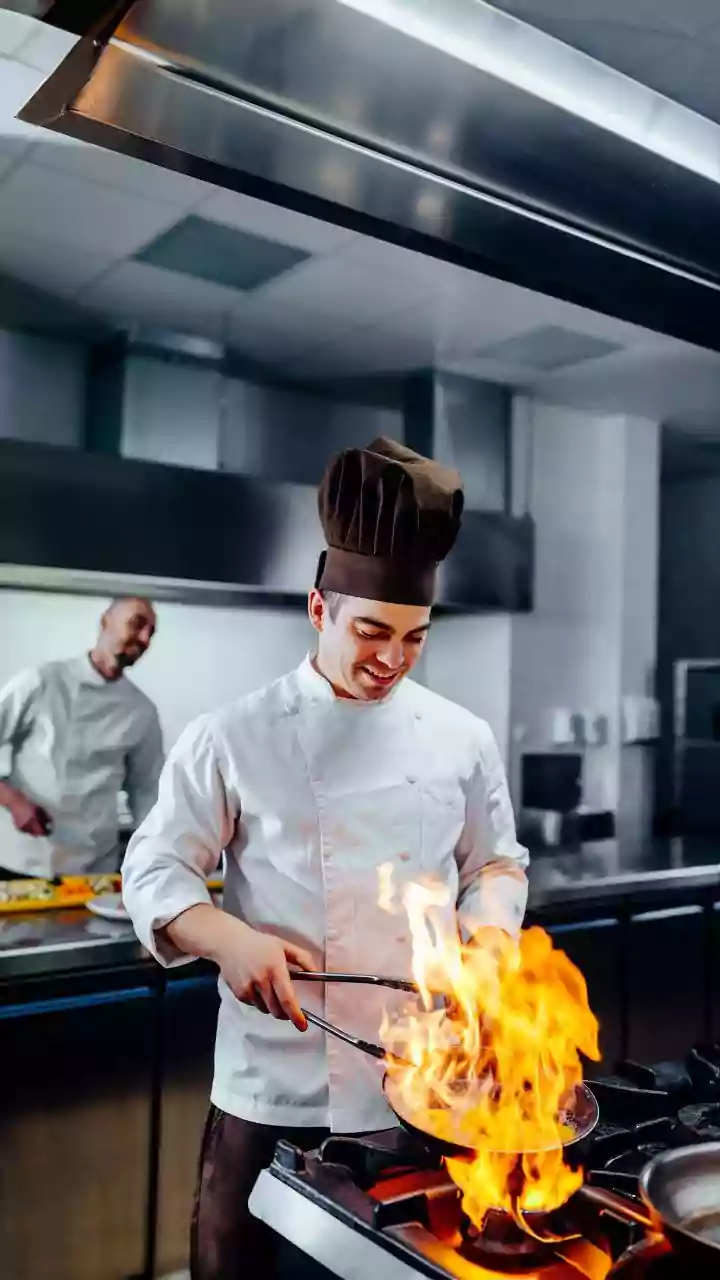
The hospitality industry is adapting to this new reality. The clumsy placement of a solo diner at a large, empty table is being replaced by thoughtful design. Smart restaurants are creating more welcoming spaces, such as comfortable bar seating where guests can watch the kitchen, cozy nooks for privacy, and even communal tables that offer the option of light social interaction. Some are installing window-facing counters, perfect for people-watching. In a tech-forward move, many establishments are also adopting QR code menus and digital ordering systems, which reduce friction and allow solo diners to set their own pace without feeling rushed or overlooked.
The Menu Gets a Makeover
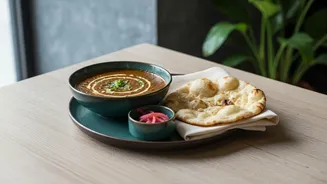
Perhaps the most significant change is happening on the menu itself. Large, shareable platters can be intimidating for a single person. In response, chefs are getting creative with flexible portioning. Tasting menus for one, which allow a diner to sample multiple signature dishes, are becoming more common. Prix fixe options for one and half-portions of popular mains also provide variety without the commitment of a full-sized dish. These smaller, curated meals are a win-win: the diner gets a more diverse and satisfying experience, and the restaurant reduces food waste while potentially encouraging more orders.
A Taste of Freedom and Flavour
The benefits for the solo diner extend beyond just the food. Eating alone offers a unique sense of freedom. There's no need to compromise on a restaurant choice, no pressure to eat faster or slower than a companion, and no judgment for ordering exactly what you want. Psychologically, it can be a powerful experience, fostering self-awareness and confidence. It encourages mindful eating, where the focus is entirely on the flavours and textures of the food, turning a simple meal into a sensory ritual. Rather than a social event, the meal becomes an experience centered on personal enjoyment and peace.