



More Than Just a Droopy Plant
Overwatering is one of the most common mistakes plant owners make. It’s not about the volume of water given at one time, but the frequency. When soil is constantly saturated, it lacks the air pockets that roots need to breathe. This essentially drowns
the plant from the roots up. The dying roots can no longer supply the plant with nutrients and water, leading to a cascade of health issues that can be easily mistaken for other problems. The key takeaway is that for most plants, soil should be allowed to dry out partially between waterings.
Telltale Signs of Overwatering
It can be tricky to know if your plant is getting too much love. Often, the signs of overwatering mimic those of underwatering, like wilting leaves. However, with overwatering, the leaves will feel soft and limp, not dry and crispy. Here are the key distress signals to watch for: Yellowing leaves, especially lower ones; leaves dropping from both old and new growth; stunted or no new growth; and a mushy or unstable stem base. You might also notice mould or green algae on the soil's surface, or even a sour, rotten smell, which are clear indicators of waterlogged soil and potential root rot.
From a Leaky Pot to a Damaged Home
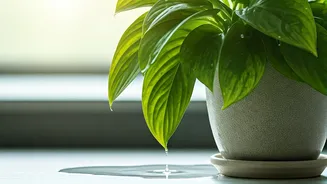
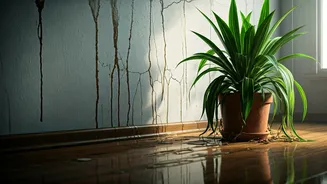
The real danger extends beyond the plant itself. A consistently overwatered plant means persistently damp surroundings. Decorative pots without drainage holes are a primary culprit, allowing water to pool and slowly seep out. Even pots with saucers can be problematic; porous terracotta can become saturated and leave permanent water rings or even cause rot on wooden floors. This constant moisture can warp floorboards, stain carpets, and degrade wall plaster. Over time, this dampness can compromise structural elements of your home and create a perfect breeding ground for mould and mildew, which carry their own health risks. The damp soil also attracts pests like fungus gnats.
A Simple Prevention and Check-up Plan
Preventing this damage is straightforward. First, always use pots with drainage holes. If you love a decorative pot that lacks them, use it as a cachepot—place a smaller nursery pot inside and be sure to empty any collected water from the outer pot after watering. Second, get to know your plant’s needs; a cactus has vastly different water requirements than a fern. Third, and most importantly, check the soil before watering. Don't just trust a schedule. Stick your finger about an inch or two into the soil. If it feels moist, wait another day or two before watering. Using plant stands or pot feet can also help by improving air circulation under the pot.
How to Rescue Your Plant and Protect Your Home
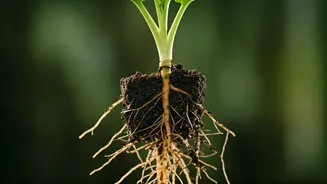
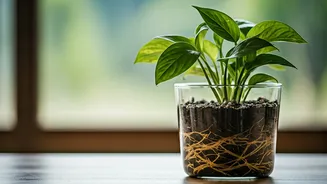
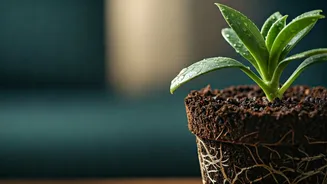
If you suspect overwatering, act quickly. First, stop watering and let the soil dry out. Gently remove the plant from its pot to inspect the roots. Healthy roots are typically white and firm; rotten ones will be brown, black, and mushy. Using clean shears, carefully trim away any rotten roots and affected leaves. It’s best to repot the plant in fresh, well-draining soil. After repotting, wait a few days before giving it a light watering. Simultaneously, check the area around the pot for any signs of water damage on your floors or furniture. Clean up any spills immediately and ensure the area is completely dry to prevent long-term issues.