





The Hidden Culprit in Your Laundry Room
The daily stress our clothes endure—stretching as we move, rubbing against chairs, exposure to the elements—is usually gradual. Fabrics are designed to handle this. However, a washing machine cycle concentrates a tremendous amount of stress into a short
period. The combination of water, heat, detergent, and mechanical action is a powerful force. While necessary for cleaning, if the settings are wrong for the fabric, this force becomes destructive. Every wash exposes textiles to mechanical stress through the movement of the drum and friction between garments. This intense, repeated exposure to the wrong conditions can weaken fibres, fade colours, and cause shrinking or stretching far more quickly than regular use.
Understanding the Forces at Play
Three main factors in a wash cycle contribute to potential damage: water temperature, mechanical agitation, and spin speed. High water temperatures can cause fibres in natural materials like cotton to shrink and can weaken synthetic fabrics. Hot water also accelerates colour fading. Mechanical agitation is the tumbling and rubbing that scrubs clothes clean. While front-loaders use a gentler tumbling motion, top-loaders often use a central agitator or impeller that can be rougher. A heavy-duty cycle's aggressive agitation can stretch and break the fibres of delicate garments. Finally, a high-speed spin cycle, designed to extract maximum water, puts immense force on clothes, potentially causing them to lose their shape.
Common Fabric and Cycle Mismatches
Using the wrong cycle is a common mistake that can ruin clothes. For example, washing delicate fabrics like silk, lace, or fine knits on a 'Normal' or 'Heavy Duty' cycle is a recipe for disaster. The high agitation will damage the delicate fibres. These items require a 'Delicate' or 'Hand Wash' setting, which uses low agitation and a slow spin. Similarly, washing dark-coloured cottons in hot water is a guaranteed way to make them fade. They should be washed in cold water to preserve their colour. Sturdy items like jeans and towels can handle a 'Heavy Duty' cycle, but putting a polyester blouse in with them could lead to pilling and damage. Always sort your laundry not just by colour, but by fabric weight and type.
Decoding Your Washing Machine's Dial
Modern washing machines offer a variety of cycles, but they can be confusing. Here’s a simple breakdown. 'Normal' or 'Cotton' is for everyday items like t-shirts and bed linens, using moderate agitation and spin speed. 'Heavy Duty' is for very soiled, durable items, employing high agitation and a long wash time. The 'Delicate' or 'Gentle' cycle is crucial for items like silk, lingerie, and wool, using minimal agitation. 'Quick Wash' is for lightly soiled clothes you need in a hurry but isn't a substitute for a proper wash for dirty clothes. The 'Eco' mode saves energy and water by using lower temperatures and longer soak times. Understanding these basic settings empowers you to match the wash to the garment.
Simple Rules for a Smarter Wash
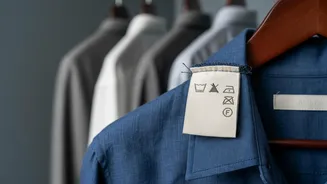
Protecting your clothes is easy with a few good habits. First and foremost, read the care label on your garments; it provides the most accurate washing instructions. Sort laundry into three piles: whites, darks, and delicates. For extra protection, place delicate items like embroidered blouses or anything with lace into mesh laundry bags. This prevents them from snagging on other items. Avoid overloading the machine; clothes need room to move to get clean and to rinse properly. Over-stuffing increases friction and wear. Lastly, using too much detergent can leave a residue that stiffens fabric and traps odours, so measure carefully.