

The All-Rounder: What are Millets?
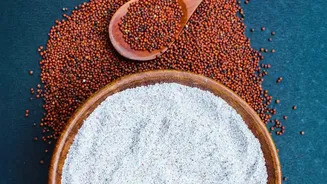
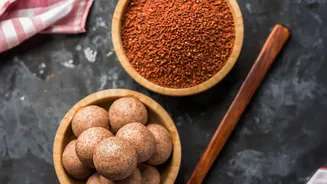
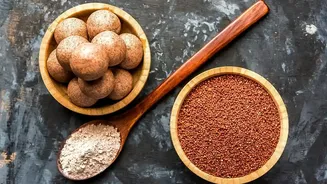
Millets are a group of small-seeded cereal grains that have been part of Indian food traditions for centuries. Prized for their ability to grow in tough, arid conditions with little water, they are as good for the environment as they are for you. Common
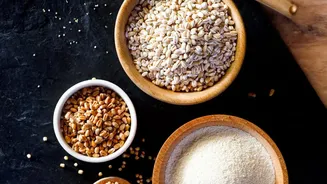
varieties in India include Ragi (finger millet), Jowar (sorghum), Bajra (pearl millet), and others like Foxtail and Barnyard millet. Nutritionally, they outshine many common grains, offering more fiber, protein, and vital minerals like iron and calcium. Their low glycemic index also helps in managing blood sugar levels, making them an excellent choice for a balanced diet.
A Powerful Start: Ragi Dosa for Breakfast
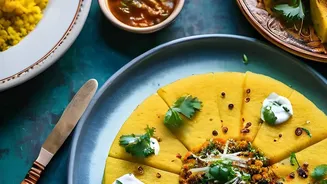
Ragi, or finger millet, is famously rich in calcium, making it great for bone health. While traditionally used in porridge, you can give it a modern spin with an instant Ragi Dosa. To make the batter, mix one cup of ragi flour with half a cup of rice flour and a bit of yogurt or water to get the right consistency. Add finely chopped onions, green chillies, and coriander for flavour. There's no need for fermentation; you can pour the thin batter onto a hot tawa to create a crispy, savoury crepe. Serve it hot for a breakfast that is both filling and incredibly nutritious.
A Wholesome Lunch: Jowar Vegetable Upma
Jowar, also known as sorghum, is a gluten-free grain loaded with protein and fiber. It's a fantastic substitute for semolina (sooji) in one of India’s most-loved comfort meals: upma. To begin, dry roast coarse jowar flour or rava until it is lightly fragrant. In a separate pan, temper mustard seeds, curry leaves, and add your favourite vegetables like carrots, peas, and onions. Pour in hot water, and once it boils, slowly add the roasted jowar, stirring continuously to avoid lumps. Cover and cook on low heat until the jowar is soft and has absorbed all the water. This hearty upma will keep you energised through the afternoon.
A Comforting Dinner: Bajra Khichdi
Bajra, or pearl millet, is especially warming and known for its high iron and magnesium content. It's perfect for a comforting one-pot meal like khichdi. To prepare, you'll want to soak the bajra for a few hours to soften it. In a pressure cooker, heat some ghee and temper it with cumin seeds and a pinch of asafoetida. Add soaked bajra and an equal amount of moong dal, along with turmeric and salt. You can also add seasonal vegetables to make it more wholesome. Pressure cook for 4-5 whistles until everything is soft and well-blended. Serve this rustic and nutritious khichdi with a dollop of ghee.
A Versatile Swap: Foxtail Millet Pulao
If you're new to millets, foxtail millet is a great place to start because its texture is quite similar to rice. It works beautifully in a simple vegetable pulao. Start by soaking the millet for about 20-30 minutes. In a pot, heat oil or ghee and add whole spices like bay leaves, cloves, and cumin seeds. Sauté onions until translucent, then add ginger-garlic paste and mixed vegetables. Stir in the soaked and drained foxtail millet, add double the amount of water, and salt to taste. Cover and simmer on low heat for about 15 minutes, or until all the water is absorbed and the grains are fluffy.
Tips for Cooking with Millets
Cooking with millets can be easy and rewarding with a few simple tips. Soaking most millets for at least 15-30 minutes helps soften them and improves their texture. When swapping millets for rice, a general rule is to use a 1:2 or 1:2.5 ratio of millet to water, but this can vary slightly by grain. It's often recommended to start by introducing millets into your diet gradually, perhaps once or twice a week, to allow your digestive system to adapt to the higher fiber content. Don't be afraid to experiment; use millet flour in rotis, cook whole millets as a side dish, or add them to salads and soups.