
Paraty & Ilha Grande: Colonial Gold and Emerald Coasts
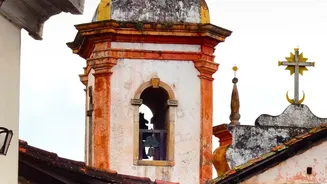
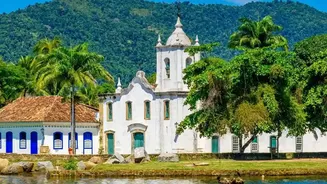
A perfect blend of history and nature, Paraty and Ilha Grande form a UNESCO World Heritage site recognized for both its cultural and natural value. Paraty, a beautifully preserved colonial town on the coast, was a critical port during the Brazilian Gold
Rush. Its cobblestone streets, closed to vehicle traffic, are lined with white-washed buildings adorned with colourful doors and window frames. Historic churches and a charming town centre tell the story of a bygone era. Just offshore lies Ilha Grande, a large island paradise. Once a pirate's lair and later a prison island, it is now a protected state park with over 100 beaches, lush Atlantic Forest trails, and a complete absence of cars. Here, the culture is one of slow, sustainable living, where you can hike through the rainforest to discover a deserted beach and enjoy fresh seafood at a beachside restaurant. This destination allows you to walk through centuries of history in the morning and dive into crystalline waters in the afternoon.
Chapada Diamantina: Diamond Trails and Tabletop Mountains
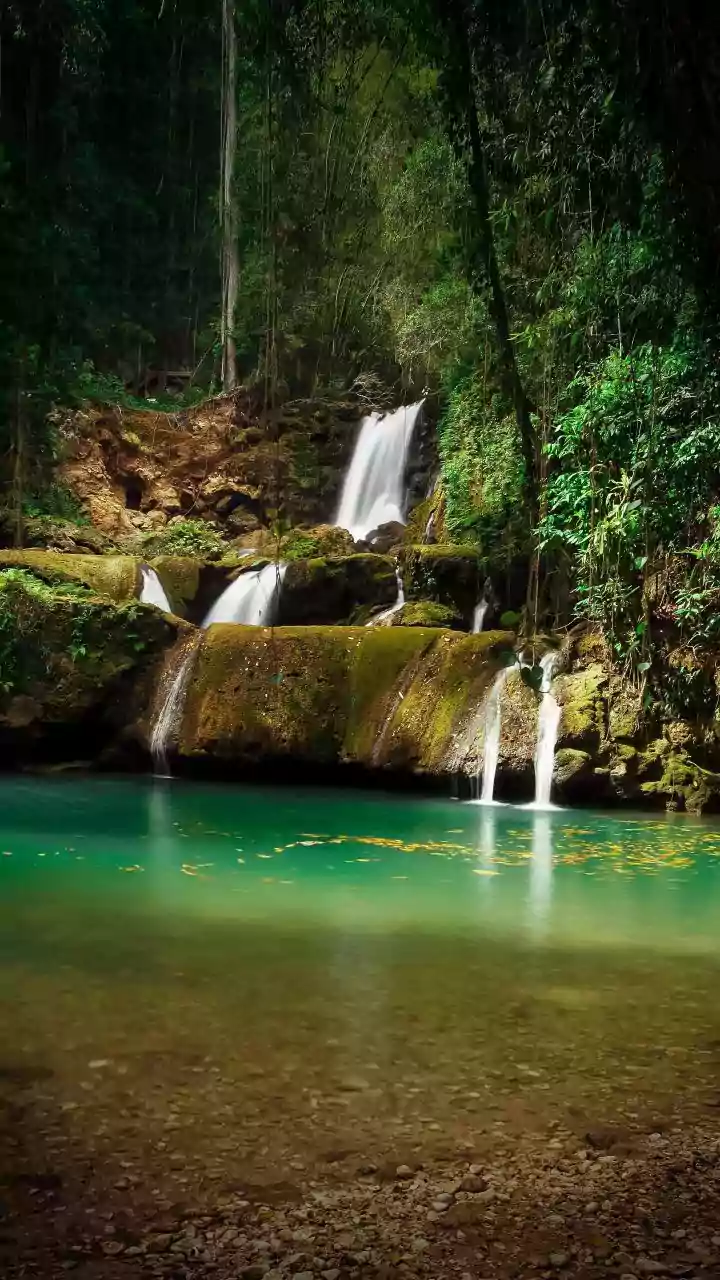
Located in the heart of Bahia, Chapada Diamantina National Park is a landscape of dramatic canyons, cascading waterfalls, and massive tabletop mountains known as 'tepuis'. Its natural beauty is breathtaking, but it's the region's history that provides a fascinating cultural layer. In the mid-19th century, this area was the epicentre of a diamond mining boom, attracting prospectors from all over the world. The charming town of Lençóis, with its colourful colonial buildings and cobblestone streets, serves as the main hub for exploring the park and was once considered the 'capital of the diamonds'. You can explore this history by visiting old mining towns, some of which, like Igatu, are now ghost towns with stone ruins. The cultural experience is in understanding how the search for treasure shaped this land, leaving behind a legacy that now peacefully coexists with the rise of ecotourism.
Olinda: A Living Colonial Masterpiece
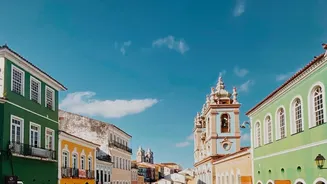
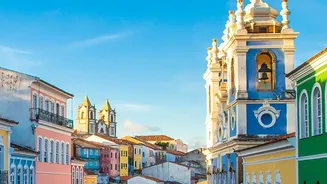
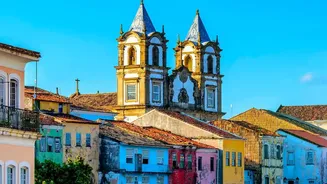
Perched on a series of hills overlooking the Atlantic Ocean in Pernambuco, Olinda is one of Brazil's best-preserved colonial cities and a UNESCO World Heritage site since 1982. Its charm is immediate: a labyrinth of steep, winding streets, vibrant colonial houses painted in every colour imaginable, and dozens of baroque churches. But Olinda is no sterile museum piece; it is a city with a pulsating cultural heart. It is renowned for its thriving arts scene, with countless galleries and artisan workshops tucked into its historic buildings. The city is also famous for its unique Carnival celebration, where giant puppets (bonecos de Olinda) parade through the streets. The blend of Portuguese colonial architecture, a vibrant Afro-Brazilian culture, and a stunning coastal setting makes Olinda a captivating destination that offers a feast for the eyes and the soul.
Lençóis Maranhenses: Dunes, Lagoons, and Local Life
At first glance, Lençóis Maranhenses National Park appears to be a vast desert. But for half the year, following the rainy season, this incredible landscape transforms. The rolling white sand dunes are filled with thousands of temporary freshwater lagoons, creating a surreal and stunningly beautiful vista of blue and green pools amid the white sand. While the scenery is the main draw, the cultural aspect lies with the communities that live within and around the park. These traditional fishing and farming families have adapted their lives to the park's unique and dramatic seasonal cycle. Taking a guided tour allows you not only to swim in the crystal-clear lagoons but also to visit these communities, like Queimada dos Britos or Baixa Grande, learning about their way of life, their connection to the land, and their role as guardians of this fragile ecosystem. It’s a powerful reminder that even in the most seemingly remote landscapes, a rich human culture thrives.
Inhotim: Where Art and Nature Converge
A truly unique destination, the Instituto Inhotim redefines what a museum can be. Located in Brumadinho, Minas Gerais, it is one of the largest open-air contemporary art museums in the world, set within an equally impressive botanical garden. Here, the lines between cultural heritage and natural scenery are deliberately blurred. Visitors wander through 140 hectares of lush, curated gardens, discovering world-class art installations along the way. Some pieces are housed in purpose-built pavilions, while others are set directly into the landscape, creating a seamless dialogue between the art and its environment. The gardens themselves are a work of art, featuring thousands of plant species from around the world, all set against the backdrop of Brazil's native Atlantic Forest and Cerrado biomes. Inhotim offers a modern, contemplative take on the fusion of culture and nature, providing an immersive experience that is both intellectually stimulating and visually spectacular.