




The Allure of the Monsoon Mountains
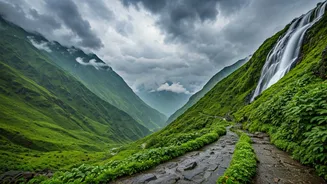
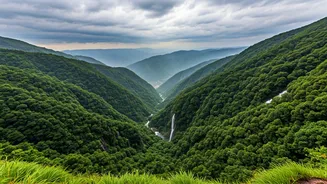
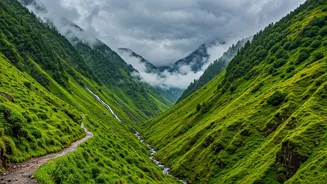
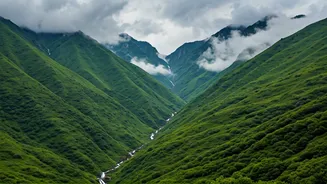
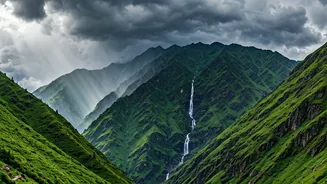
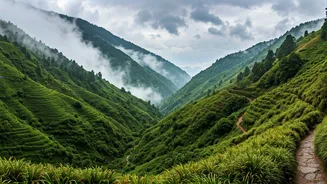
The idea of visiting the Himalayas during the monsoon might seem counterintuitive. The season is often associated with travel disruptions and relentless rain. However, for many, the rewards far outweigh the risks. The primary draw is the dramatic transformation
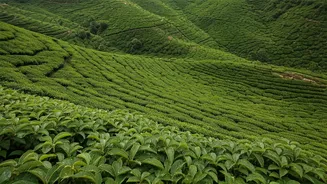
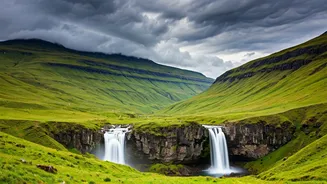
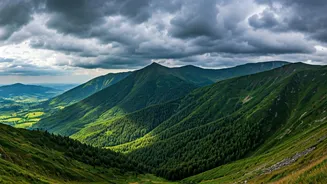
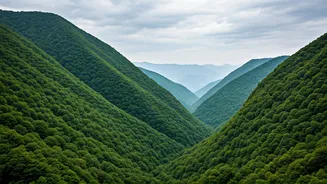
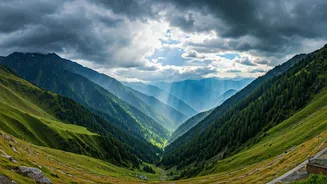
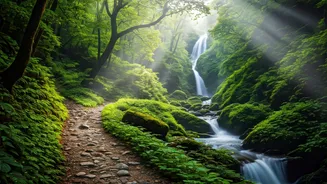
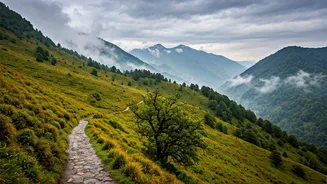
of the landscape. Hills and valleys, parched by the intense summer, turn into a vibrant spectacle of lush greens. Waterfalls, which are mere trickles in other seasons, become thunderous cascades. Add to this the fewer crowds compared to the peak summer and winter seasons, and the result is a more peaceful and intimate experience with nature. Travel and accommodation prices are also often lower, making it a budget-friendly option.
Spotlight on Himachal's Verdant Valleys
Himachal Pradesh becomes a popular choice when the rains arrive. While major hubs like Shimla and Manali still attract visitors, many are venturing into quieter corners. Destinations like Kasauli, with its colonial charm and pine-scented air, offer a serene retreat perfect for disconnecting. The Tirthan Valley, a UNESCO World Heritage site, is another gem, offering opportunities for angling and riverside relaxation amidst misty mountains. For those seeking a mix of accessibility and beauty, Parwanoo provides stunning cable car views of the rain-drenched Shivalik hills. The key is to enjoy the atmosphere—long walks, cosy cafes, and simply watching the clouds roll by.
Uttarakhand’s Mystical Charm
In Uttarakhand, the monsoon casts a magical spell. Classic hill stations like Mussoorie and Nainital take on a quieter, more romantic persona. The lakes are full, the hills are cloaked in mist, and the colonial architecture looks even more atmospheric. Beyond these, places like Lansdowne offer a peaceful escape into dense oak and pine forests. For the truly adventurous, the Valley of Flowers National Park opens exclusively during the monsoon, presenting a breathtaking carpet of over 500 species of wildflowers—a spectacle that exists only from June to early October. Rishikesh also sees a surge in interest, with visitors drawn to its unique blend of spirituality and nature, even with some adventure sports paused.
What to Pack for a Rainy Retreat
Packing smartly is crucial for a comfortable monsoon trip. The first rule is to prioritise waterproof gear. A high-quality waterproof jacket or poncho is non-negotiable. Equally important are waterproof trekking shoes with good grip to navigate slippery trails. Opt for quick-drying clothes made from synthetic fabrics like polyester, as cotton tends to get heavy and takes a long time to dry in the humid conditions. It’s wise to carry extra pairs of socks to keep your feet dry and prevent infections. Protect your electronics by carrying them in dry bags or zip-lock pouches. Lastly, an insect repellent is a must-have to ward off mosquitoes and other bugs that are common during this season.
Navigating with Care: Safety First
While beautiful, monsoon travel in the mountains requires caution. Landslides and roadblocks are a genuine risk, making it essential to stay updated on weather forecasts and local news. Before setting out, check the road status with local authorities or reliable travel forums, as conditions can change rapidly. It's advisable to add buffer days to your itinerary to account for potential delays. Avoid driving after dark and be extra cautious on winding roads. If you plan to trek, always go with a certified guide and choose trails that are known to be safe during the monsoon. Respecting nature's power and being prepared are the keys to a safe and memorable journey.