




A Tipping Point by the Numbers
August 2026 will be remembered as a pivotal month for the Indian passenger vehicle market. According to retail sales data from the Federation of Automobile Dealers Associations (FADA), the long-reigning king, petrol, was finally dethroned. Alternative
powertrains—a category combining Compressed Natural Gas (CNG), electric vehicles (EVs), and hybrids—collectively captured a market share of 41.95%. In a stunning reversal, petrol-only vehicles slipped to a 40.85% share. Just a year ago, petrol cars commanded a lead of nearly 11 percentage points over the entire alternative fuel segment. This rapid shift signals a fundamental change in consumer preference, driven by economic realities and a widening array of choices beyond traditional fuels. Diesel vehicles, meanwhile, accounted for a 17.21% share of the market.
The Undisputed Engine of Growth: CNG
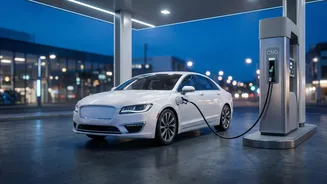
While the alternative fuel category includes advanced technologies like EVs and hybrids, the August sales story was overwhelmingly powered by the humble CNG. This powertrain alone accounted for a staggering 25.28% of all passenger vehicles sold, making it the biggest contributor to the historic crossover. More than 105,000 CNG cars were dispatched during the month, marking a robust 46% year-on-year growth. The reason for this dominance is simple: economics. With petrol prices remaining stubbornly high, the running cost of a CNG vehicle can be less than half that of its petrol counterpart. For a typical user, the per-kilometre cost of CNG is estimated to be around ₹2.60 - ₹3.50, compared to over ₹6 for petrol. This substantial saving makes the higher initial investment for a factory-fitted CNG car—typically around ₹90,000 to ₹1 lakh more than a petrol model—a worthy trade-off for many buyers, with the breakeven point often reached within a few years.
Manufacturers Double Down on a Winning Formula
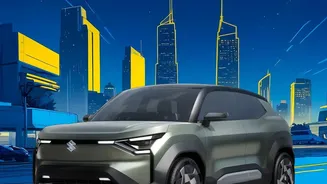
Automakers have been quick to respond to this clear consumer demand. Maruti Suzuki, the long-standing market leader, continues to dominate the CNG space, accounting for nearly 70% of all CNG vehicle sales in August. The company’s strategy of offering CNG variants across its most popular models, from the Wagon R and Ertiga to the Brezza SUV, has paid off handsomely. However, the competition is heating up. Tata Motors has seen its CNG sales grow by over 70%, driven by popular models like the Punch and Nexon, which are increasingly sought after in their CNG avatars. The availability of CNG in the booming compact SUV segment from multiple brands is a key factor, proving that buyers no longer have to choose between the desirable SUV form factor and low running costs. This expanding portfolio gives budget-conscious consumers more choice than ever before.
The Supporting Cast: EVs and Hybrids
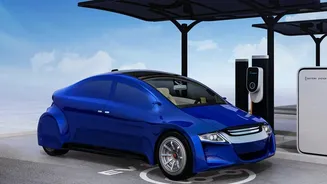
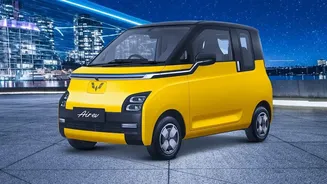
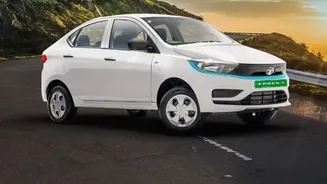
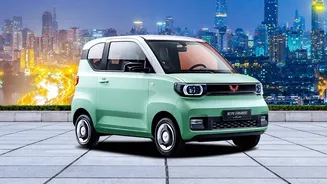
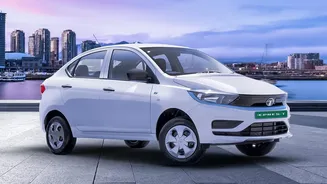
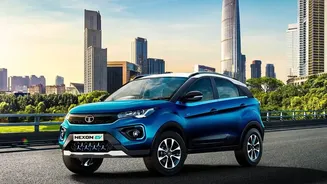
While CNG was the star of the show, electric and hybrid vehicles also played a crucial role in pushing alternative fuels past the finish line. In August, EVs captured a 7.63% market share, while hybrids stood at 9.04%. The EV segment, led by Tata Motors, saw sales of over 30,000 units during the month. Though their overall volume is smaller than CNG's, EVs are growing rapidly, appealing to buyers focused on the lowest possible running costs (especially with home charging) and the environmental benefits. Strong hybrids, primarily offered by Toyota and Maruti Suzuki, provide a middle path, offering enhanced fuel efficiency without the need for external charging. Together, these three technologies have created a powerful coalition that is reshaping India’s fuel landscape, offering a viable alternative to petrol at almost every price point.