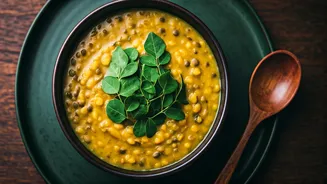




First, What Is Moringa?
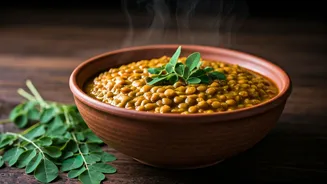
Chances are, you already know moringa, even if you don't recognise the name. Moringa oleifera is the scientific name for the drumstick tree, a plant beloved across India and known locally as *shevga*, *shobhanjan*, or simply *moringa*. While we’ve long
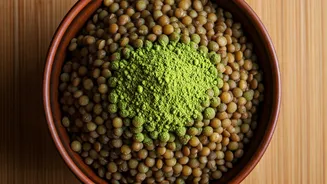
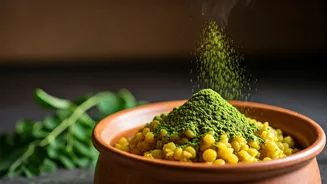
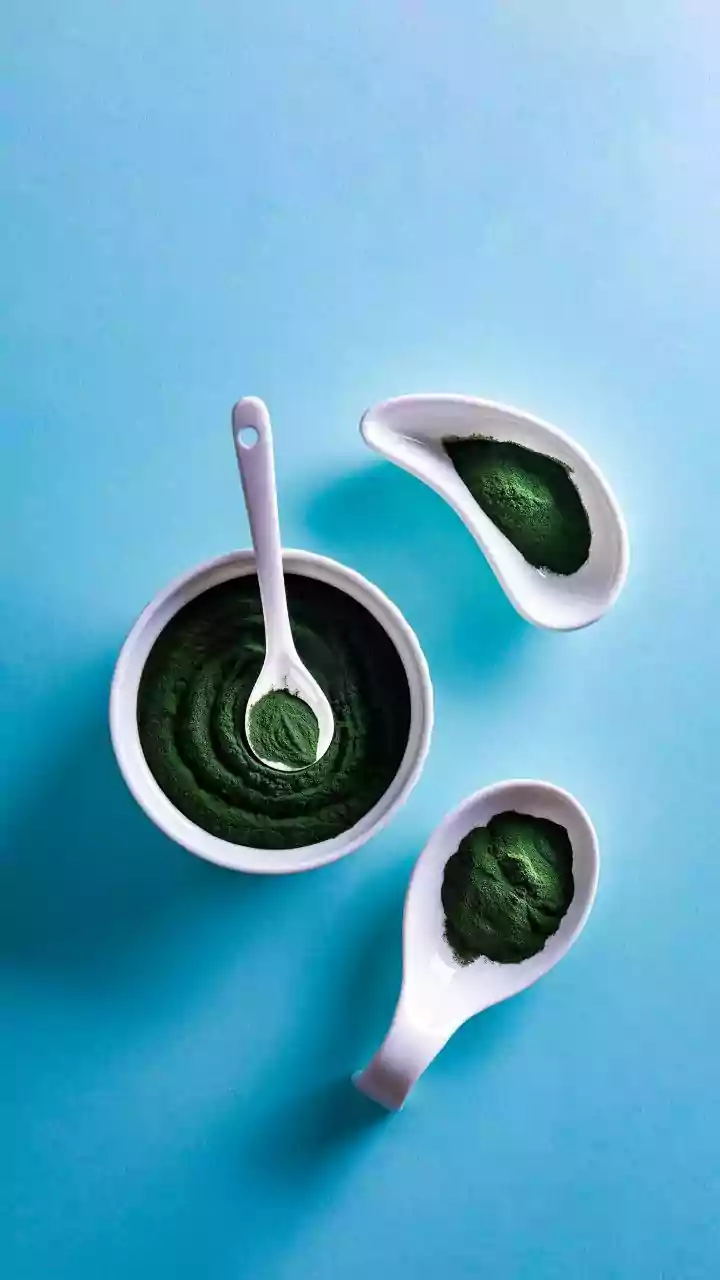
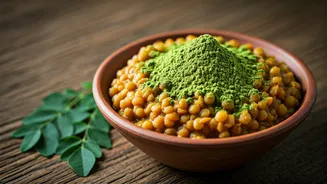
used its pods and leaves in sambar, curries, and sabzis, the West has recently discovered it in a new form: a fine, bright green powder made from its dried leaves. This powder concentrates the plant's incredible nutritional profile into a convenient form that can be easily stirred into drinks, smoothies, and, as it turns out, our everyday dal. It’s a modern take on an ancient ingredient, bringing the benefits of the entire leaf to the table without altering the texture of your meal.
A Nutritional Powerhouse
The enthusiasm from nutritionists isn’t just hype; it’s rooted in the plant's dense nutrient content. Moringa leaves are a treasure trove of vitamins and minerals. They are particularly rich in Vitamin C, iron, potassium, and Vitamin A. Furthermore, moringa is a rare plant-based source of complete protein, containing all nine essential amino acids, which are the building blocks of muscle and tissue in our bodies. What truly sets it apart is its antioxidant content. Moringa is packed with compounds like quercetin and chlorogenic acid, which help fight oxidative stress and inflammation. While no single food is a miracle cure, incorporating such a nutrient-dense ingredient into your diet is a simple strategy for enhancing your overall health and wellness.
Why Lentils? The Perfect Pairing
This is where the magic happens. Lentils are already a nutritional champion. They are an excellent source of plant-based protein, fibre, and complex carbohydrates, providing sustained energy. However, pairing them with moringa elevates the meal to another level. For vegetarians and vegans, combining different plant proteins is key to getting a full range of amino acids, and the moringa-lentil combination does this beautifully. Moreover, the high Vitamin C content in moringa can significantly enhance the absorption of non-heme iron from the lentils—a type of iron that is typically harder for the body to absorb from plant sources. For a country where iron-deficiency anaemia is a prevalent concern, this simple food synergy is both powerful and practical. It’s not about replacing the dal but optimising it.
How to Add Moringa to Your Dal
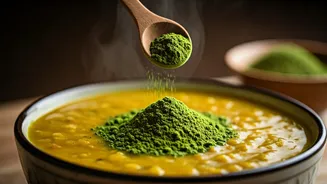
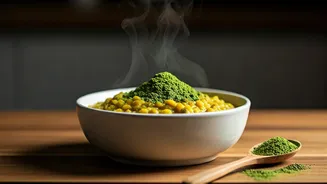
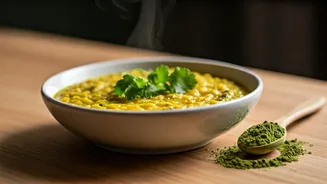
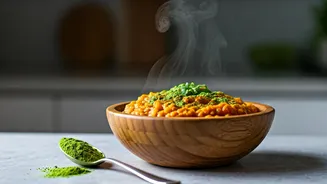
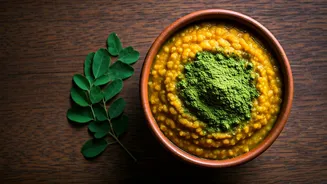
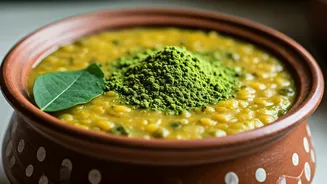
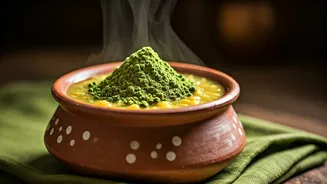
Integrating moringa powder into your lunchtime lentils is incredibly easy. The key is to add it at the right moment to preserve its nutrients and manage its distinct flavour. Moringa has an earthy, slightly bitter taste, similar to spinach or matcha. A little goes a long way. For a single serving of dal, start with just half a teaspoon of moringa powder. The best time to add it is at the very end of the cooking process. Once your dal is cooked and you’ve added the tadka, turn off the heat. Stir in the moringa powder until it’s fully dissolved. This prevents the heat from degrading its delicate vitamins. You can gradually increase the amount to a full teaspoon as you get accustomed to the taste. It will impart a deeper green colour and a subtle, earthy undertone that complements the spices in most dal recipes.
A Few Words of Caution
While moringa is generally safe for most people, it's important to be mindful. Always start with a small amount to see how your body reacts. Due to its potent nature, some people may experience mild digestive upset if they consume too much too soon. It’s also crucial to source your moringa powder from a reputable brand to ensure it's free from contaminants. Certain individuals should exercise caution. Pregnant or breastfeeding women, and those on medication for thyroid conditions, diabetes, or high blood pressure, should consult their doctor before adding moringa to their diet, as it can interact with these conditions and medications.