







The New Career Blueprint: AI and Human Skills
For years, the career advice was simple: specialize. But as artificial intelligence automates routine tasks and even complex analysis, the blueprint for a successful career is being redrawn. The new mandate is not about choosing between being a tech expert
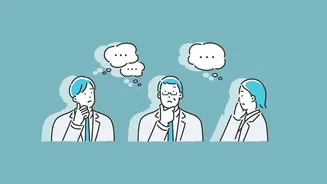
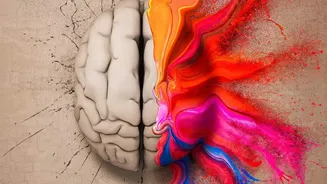
or a people person. Instead, it’s about integrating both. Companies across India are rapidly adopting AI, with 94% planning to upskill their employees to navigate this shift. This isn't just about learning to use new tools; it's about developing a dual focus. Professionals are now expected to understand AI's capabilities while also honing the human skills that technology cannot replicate. This blend of digital fluency and human depth is what will define the next generation of effective professionals.
Why AI Expertise Alone Falls Short
Technical proficiency in AI is undoubtedly valuable, opening doors to new opportunities and enhancing productivity. However, a career built solely on technical skills rests on a shaky foundation. AI can process data, identify patterns, and automate workflows, but it cannot set a vision, build trust within a team, or make nuanced ethical judgments. These are the domains where human leadership remains irreplaceable. As AI handles more analytical and repetitive work, the demand for skills like emotional intelligence, strategic thinking, and empathy is surging. A recent LinkedIn report highlighted that Indian hiring managers now consider soft skills like critical thinking and problem-solving to be among the most important in the age of AI. Relying only on technical knowledge is a risk, as the very tools you master will continue to evolve at a rapid pace.
The Enduring Power of Human-Centric Leadership
In a workplace increasingly populated by algorithms and automated systems, human-centric leadership becomes a powerful differentiator. This approach prioritizes empathy, clear communication, and genuine connection—qualities that foster psychological safety and inspire teams. Leaders who excel in emotional intelligence (EQ) can guide their teams through the uncertainty that comes with technological change, building resilience and fostering a culture of trust. While AI can provide data-driven insights, it takes a human leader to interpret that data in the context of team morale, organizational values, and long-term strategic goals. These are not just 'soft skills'; they are core competencies that drive engagement, innovation, and employee retention in a competitive landscape.
A Roadmap for Integrated Skill Development
So, how can ambitious professionals build both sets of skills in parallel? The key is intentional, continuous learning. Start by building foundational AI literacy, not necessarily by learning to code, but by understanding how to use AI tools responsibly and ethically in your daily work. Many Indian companies are now investing heavily in upskilling programs that cover both technical and soft skills. Seek out projects that allow you to act as a bridge between technical teams and business stakeholders. This forces you to translate complex information, a key leadership skill. Actively work on your emotional intelligence by soliciting feedback, practicing active listening, and mentoring junior colleagues. View AI as a partner that can automate administrative tasks, freeing up your time to focus on strategic, creative, and people-focused work—the very essence of modern leadership.