






The Protein Power of Paneer
Paneer, or Indian cottage cheese, is a cornerstone of vegetarian diets in India for a good reason. It is an excellent source of high-quality protein, which is essential for muscle repair and growth. A 100-gram serving of paneer can contain between 18
to 25 grams of protein, depending on whether it's made from full-fat or low-fat milk. The primary protein in paneer is casein, which is a slow-digesting protein. This means it releases amino acids into the bloodstream gradually, providing a sustained supply for your muscles. This slow release makes paneer particularly beneficial for preventing muscle breakdown, especially when consumed after a workout or before bed to support overnight recovery. Furthermore, paneer is a complete protein, containing all nine essential amino acids that the body cannot produce on its own. This makes it a fantastic alternative to meat and eggs for vegetarians and fitness enthusiasts.
The Fresh Benefits of Mint Chutney
Mint chutney, or pudina chutney, is more than just a flavourful condiment. It’s packed with its own set of health advantages. Mint has been used for centuries to aid digestion. The compound menthol, found in mint, helps relax the muscles of the digestive tract and can soothe an upset stomach, reduce bloating, and ease indigestion. It does this by helping to stimulate the secretion of digestive enzymes. Mint leaves are also rich in antioxidants, which help protect your body from cellular damage. Homemade mint chutney, often made with other healthy ingredients like coriander, lemon juice, and sometimes yogurt, further enhances its nutritional profile. Coriander adds more antioxidants and vitamins, while lemon juice provides a boost of Vitamin C. If yogurt is added, it introduces probiotics, which are beneficial for gut health.
Why This Combination is Ideal for Fitness
When you combine paneer with mint chutney, you create a meal that is nearly perfect for a fitness-focused diet. The high protein content from the paneer helps in muscle synthesis and keeps you feeling full for longer, which can aid in weight management. The slow-digesting casein protein ensures your muscles have the fuel they need for recovery over several hours. The mint chutney complements this by supporting digestion, ensuring that your body can efficiently process the nutrients from your meal. A well-functioning digestive system is crucial for absorbing all the goodness from the food you eat. This dish is also relatively low in carbohydrates, making it a great option for those on a low-carb or keto-friendly diet, provided the chutney is made without added sugar.
Simple Recipe for Fitness-Friendly Paneer
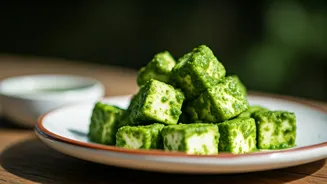
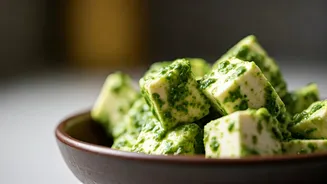
Creating this healthy dish is incredibly simple. You don't need a complicated recipe to reap the benefits. Ingredients: - 200g paneer, cut into cubes - For the Mint Chutney: 1 cup fresh mint leaves, 1/2 cup fresh coriander leaves, 1-2 green chillies, 1-inch piece of ginger, juice of half a lemon, salt to taste, and a little water for blending. You can add 2 tablespoons of plain yogurt for a creamier texture. Instructions: 1. Prepare the chutney: Combine all the chutney ingredients in a blender and blend until smooth. Add a splash of water if needed to get the right consistency. 2. Prepare the paneer: Lightly pan-sear the paneer cubes in a non-stick pan with a minimal amount of oil or ghee until golden brown on all sides. Avoid overcooking to keep the paneer soft. 3. Combine: In a bowl, toss the warm paneer cubes with 3-4 tablespoons of the fresh mint chutney until they are evenly coated. 4. Serve: Garnish with fresh mint leaves and serve immediately as a high-protein snack or a light meal.
How to Incorporate It into Your Diet
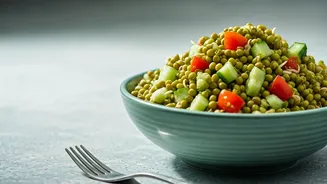
This versatile dish can be enjoyed in several ways. Have it as a post-workout snack to kickstart muscle recovery. The quick preparation time makes it ideal for when you're short on time after a gym session. You can also have it as a light lunch or dinner, perhaps accompanied by a fresh green salad to add more fibre and nutrients. It can be wrapped in a whole-wheat roti for a filling roll or added to a bowl of quinoa for a complete, balanced meal. Because paneer is so satiating, a moderate portion can keep hunger pangs at bay, helping you stick to your nutritional plan without feeling deprived.