


The Sahyadris in Full Splendour
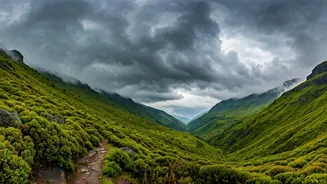
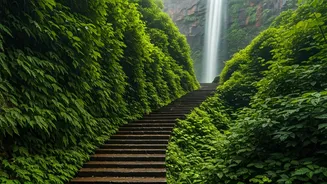
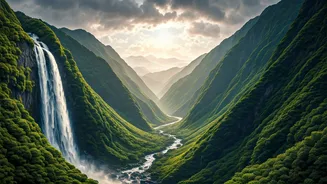
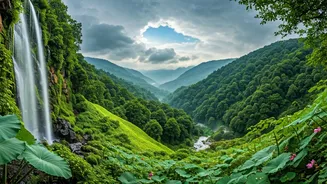
Nowhere is the monsoon's magic more apparent than in the Western Ghats. The Sahyadris of Maharashtra, typically stark and brown for most of the year, undergo a dramatic makeover. Peaks like Harishchandragad or Kalsubai become draped in a thousand shades
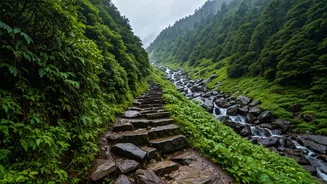
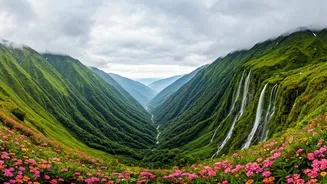
of impossible green. The experience is an assault on the senses. Temporary waterfalls cascade down every rock face, their roar a constant companion. The wind carries the scent of wet earth and blooming wildflowers, like the vibrant purple Karvi flowers that carpet the hillsides once every seven years. The risk of slippery paths is real, but the reward is witnessing a mountain range come alive, pulsating with a raw, fleeting energy that vanishes as soon as the rains retreat.
Walking Through the Himalayan Clouds
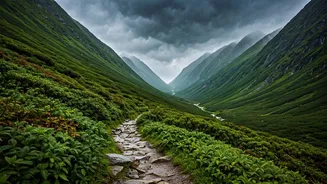
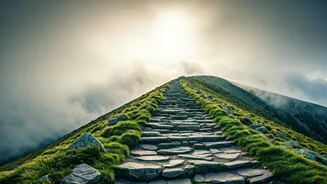
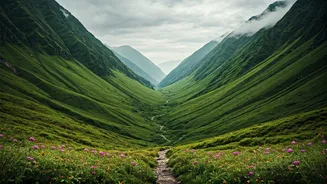
While many high-altitude Himalayan treks close during the monsoon, several lower-altitude trails in Himachal Pradesh and Uttarakhand become exceptionally beautiful. Think of the Valley of Flowers, a trek that is only possible during the monsoon because this is when its famous alpine flowers are in full bloom. The rain washes the dust from the air, making the colours of the landscape pop with incredible intensity. On treks like the Hampta Pass, you literally walk through the clouds. The world is reduced to the few feet of trail in front of you, a mystical, meditative experience. The mountains play hide-and-seek, their peaks shrouded in mist one moment and revealed in breathtaking glory the next. It’s a quieter, more introspective kind of adventure compared to the crisp clarity of autumn.
Embracing the Uncomfortable
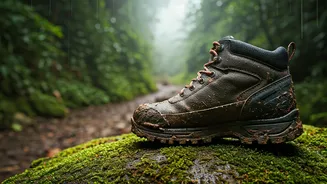
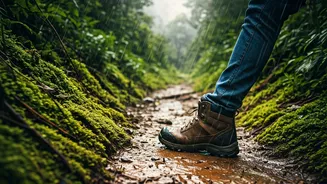
Let’s be honest: the “risk” in the headline is not just about safety. It’s about discomfort. You will be wet. Your shoes will be muddy. And yes, you will encounter leeches. But learning to embrace this is part of the journey. A monsoon trek forces you to recalibrate your definition of comfort. The joy comes not in staying dry, but in the relief of a hot cup of chai after hours in the rain. The challenge lies in navigating a slippery patch of rock, and the triumph is in reaching the top, soaked but smiling. It’s a mental shift. Instead of fighting the elements, you learn to move with them. The leech you flicked off becomes a story, the constant drizzle a soothing soundtrack.
The Art of Being Prepared
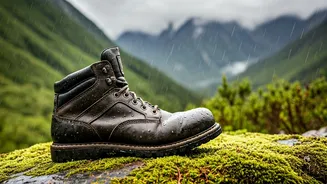
The key to turning risk into reward is preparation. This is non-negotiable. Your gear is your best friend. A good waterproof jacket and pants are essential, as are trekking shoes with excellent grip. Pack everything inside your rucksack in waterproof bags or dry sacks—even your snacks. A trekking pole is a lifesaver on slippery descents, acting as a third point of contact. It’s also crucial to choose your trail wisely. Opt for popular, well-marked trails and avoid areas known for landslides. Always check the local weather forecast, trek with an experienced guide or group, and inform someone of your itinerary. Smart preparation doesn't eliminate the adventure; it enables it.
A Solitude You Can't Find Elsewhere
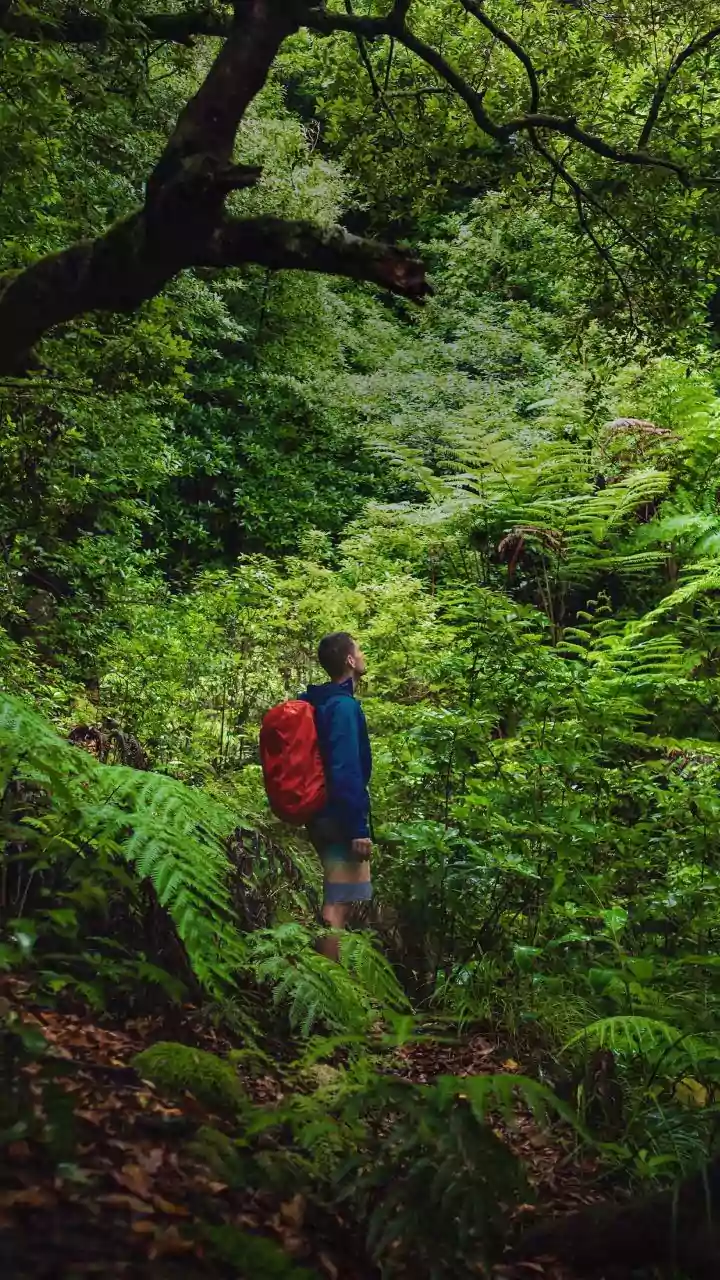
Perhaps the greatest reward of a monsoon trek is the solitude. The fair-weather crowds are gone. Popular viewpoints that are usually packed with people are yours alone. You get to experience nature in its most raw and untamed state, without the filter of a crowd. The soundscape is entirely natural—just the rain, the wind, and the birds that dare to sing in between showers. This solitude provides a deeper connection to the landscape. It’s a chance to see a familiar place with new eyes, to appreciate the quiet, powerful work of the season that brings life to the subcontinent. You're not just observing the monsoon; you're a part of it.