





Stay Ahead of the Weather
Preparation begins with information. Before and during your trip, make it a habit to check weather forecasts from reliable sources like the India Meteorological Department (IMD). As of early July 2026, the monsoon has covered most of the country, with heavy
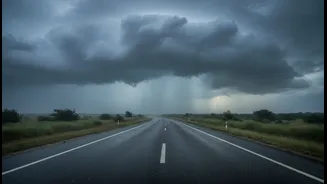
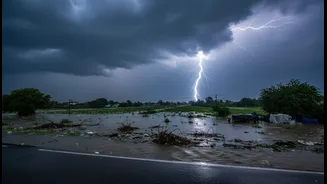
rainfall alerts in place for states like Maharashtra, Gujarat, Karnataka, and others. Knowing the forecast for your specific route and destination can help you anticipate potential disruptions, such as waterlogging or landslides, and make informed decisions, like postponing non-essential travel if severe weather is predicted. Weather apps and local news are invaluable tools for real-time updates.
Navigating Air Travel Turbulence
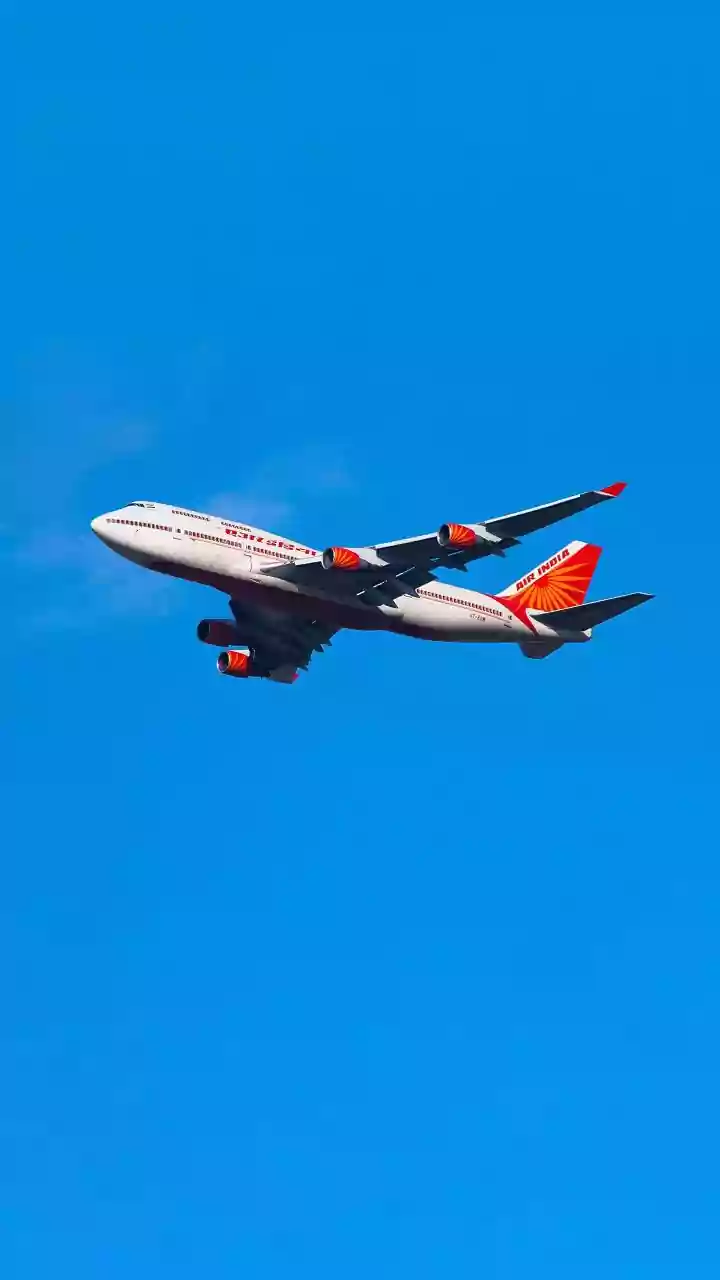
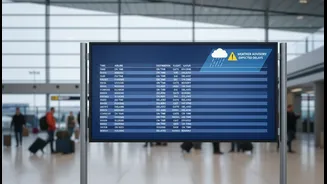
Monsoon is notorious for causing flight delays and cancellations, with airports in Mumbai, Kolkata, and Chennai being particularly vulnerable. The most effective strategy is to book early morning flights, as thunderstorms and heavy rain typically intensify in the afternoon. This also helps you avoid the cascading effect of delays from earlier in the day. Build a buffer of at least three to four hours for connecting flights. Also, consider booking flexible fares that allow for low-cost changes, and download your airline's app for real-time status updates on your phone. Knowing your rights under DGCA regulations for delays and cancellations can also be empowering.
Smart Packing for a Wet World
What you pack is your first line of defence against the damp. Prioritise quick-drying synthetic fabrics like polyester and nylon over cotton, which takes a long time to dry in high humidity. A lightweight waterproof jacket or poncho is more practical than an umbrella, which can be useless in strong winds. Footwear should be waterproof with a strong grip; avoid flip-flops on slippery surfaces and closed shoes that trap water. Most importantly, protect your valuables. Use waterproof bags, ziplock pouches, or dry bags for electronics, documents, and wallets to keep them safe from sudden downpours.
Precautions for Road and Rail Journeys
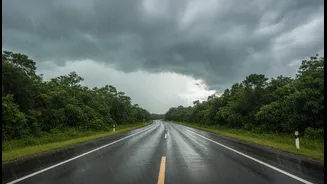
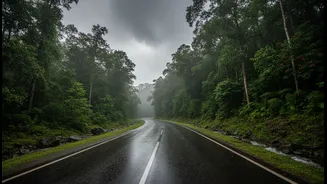
Train and road travel come with their own set of monsoon challenges. Heavy rains can lead to waterlogged tracks, causing significant train delays or cancellations. Always check your live train status before heading to the station and be extra cautious on slippery platforms. If you're driving, ensure your car is monsoon-ready by checking tyres, brakes, and wipers. Drive slowly, maintain a safe distance from other vehicles, and never attempt to drive through waterlogged streets, which can hide deep potholes or open drains. Avoid night driving when visibility is at its worst.
Keep Health and Hygiene Top of Mind
The monsoon season can increase the risk of water-borne and mosquito-borne illnesses like dengue. Be vigilant about your health. Drink only bottled or filtered water and stick to freshly cooked hot meals from hygienic places. Carry a basic medical kit containing medication for fever, stomach upsets, and any personal prescriptions. An insect repellent is a must-have, especially during the evenings. Also, carry hand sanitiser and try to stay as dry as possible to reduce the risk of fungal infections.
The Case for Travel Insurance
For travel during peak monsoon months, a comprehensive travel insurance policy is a wise and relatively small investment. Look for a policy that specifically covers trip delays, cancellations, and missed connections due to weather. This can reimburse you for unexpected costs like meals and hotel stays if you get stranded. Some policies also provide coverage for baggage delays, allowing you to purchase essentials if your luggage doesn't arrive with you. Read the fine print carefully to understand what is covered before you purchase.