


The Return of a Traditional Powerhouse
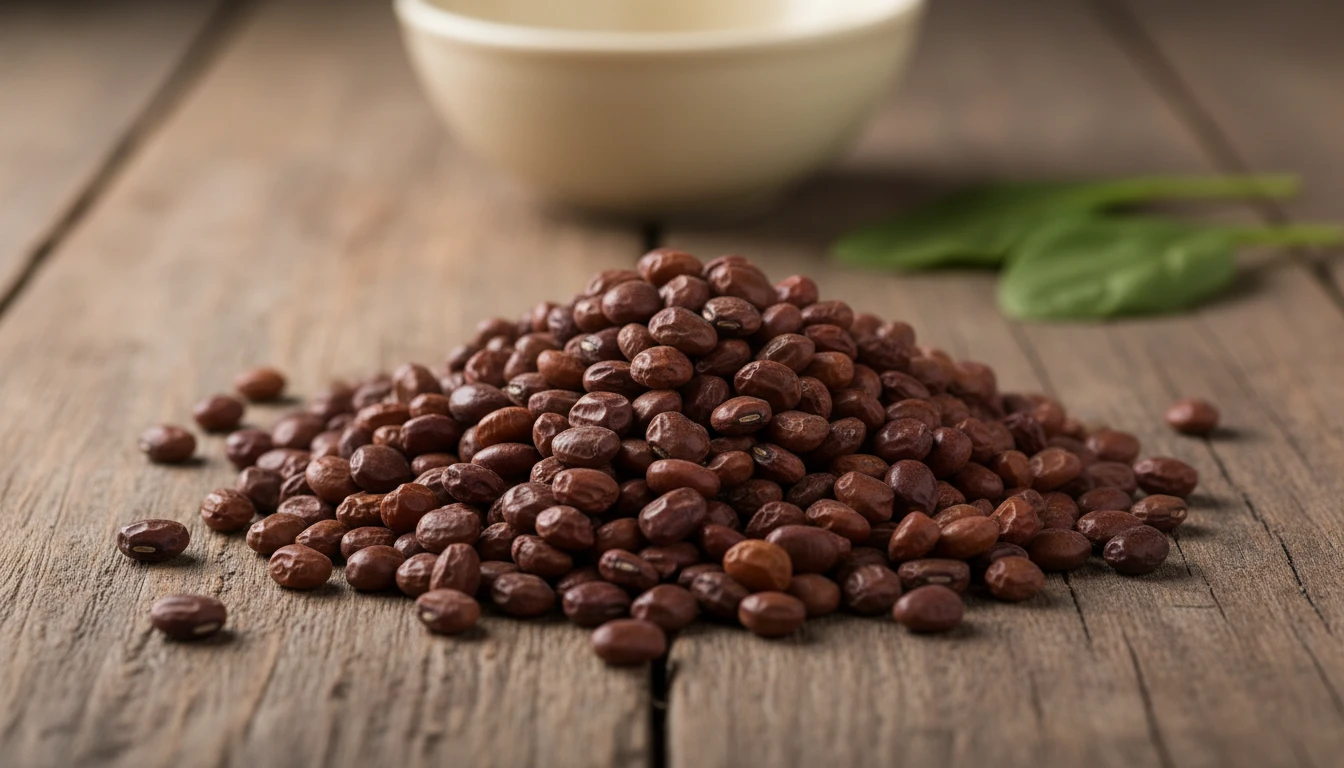
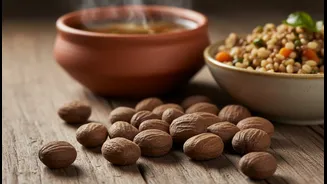
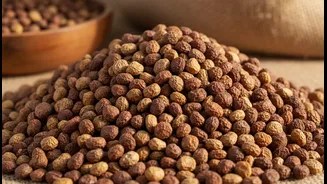
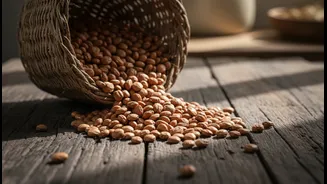
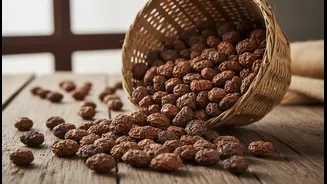
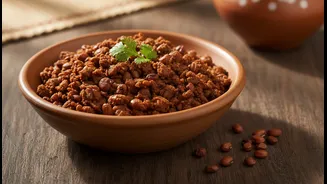
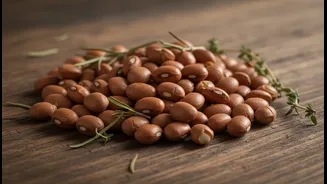
For generations, horse gram has been a staple in many Indian kitchens, especially in southern states. Known as kulthi in Hindi, ulavalu in Telugu, and kollu in Tamil, this resilient legume has long been valued for its ability to thrive in harsh, dry conditions.
Traditionally, it was used as a nourishing food for both people and livestock—hence the name. It is a true nutritional powerhouse, boasting high levels of protein, fibre, and essential minerals like iron and calcium. In fact, horse gram has one of the highest protein contents among lentils and the highest calcium content among all pulses, making it a valuable part of a vegetarian diet. Its regular use in rural diets for soups and stews speaks to its long-standing reputation as a source of sustenance and strength.
The Superfood Hype Machine
In recent years, horse gram has been rebranded from a simple, rustic dal to a modern 'superfood'. A quick search online reveals a torrent of extraordinary claims: rapid weight loss, dissolving kidney stones, curing diabetes, and even reversing heart disease. These claims often position horse gram not just as a healthy food, but as a cure-all. This phenomenon isn't new. The term "superfood" itself is not a scientific or medical term, but a marketing buzzword created to boost sales. Foods like quinoa, chia seeds, and avocados have all had their moment in the spotlight, often accompanied by premium price tags and claims that overshadow local, more affordable alternatives.
What Does the Science Say?
When we look at the scientific evidence, a more measured picture emerges. Horse gram is indeed incredibly nutritious. Its high fibre and protein content can aid in weight management by promoting a feeling of fullness. Some studies, mostly on animals, suggest it may help reduce cholesterol levels and markers of inflammation, which are risk factors for heart disease. The legume also has a low glycemic index, which is beneficial for managing blood sugar levels. The most talked-about claim concerns kidney stones. Traditional Ayurvedic medicine has long used horse gram for urinary ailments. Some modern studies suggest it has diuretic properties and may help inhibit the formation of calcium oxalate crystals, the most common type of kidney stone. However, much of this research is preliminary or based on animal studies using concentrated extracts. It is not a substitute for medical treatment.
The Real Magic: A Balanced Plate
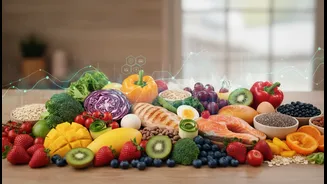
The danger of the 'miracle food' narrative is that it encourages us to seek quick fixes rather than build sustainable, healthy habits. No single food can cure disease or melt away kilos on its own. True health comes from a balanced and varied diet, rich in a wide range of nutrients. The real magic of horse gram lies not in any miraculous property, but in its value as part of a traditional Indian diet. Enjoying kulthi dal as a soup, a stew, or made from sprouts is a fantastic way to incorporate its benefits. Soaking, sprouting, or cooking horse gram helps to reduce anti-nutrients like phytic acid, making its valuable minerals more available for absorption. Rather than chasing imported fads, we often have incredibly nutritious and affordable options right in our own kitchens. Local millets, moringa, and amla offer comparable, if not superior, nutritional benefits to their expensive, imported counterparts.
Becoming a Smarter Consumer
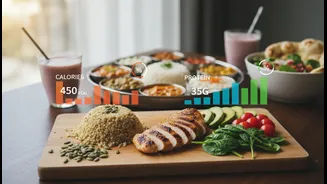
In an era of clever marketing and social media influencers, it's more important than ever to be a critical consumer. Be wary of any product that promises miraculous or rapid results. The term "superfood" should be a red flag—it's a marketing tactic, not a regulated health claim. Instead of focusing on a single 'magic' ingredient, focus on the 'super plate'—a balanced meal with vegetables, whole grains, lean proteins, and healthy fats. Rely on traditional food wisdom, which has been honed over centuries to create nourishing and sustainable eating patterns. A simple dal, a seasonal vegetable sabzi, and a whole-grain roti is a time-tested formula for good health that no trendy superfood can replace.