


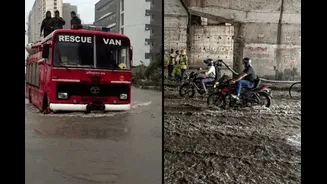

The Deluge on the Roads
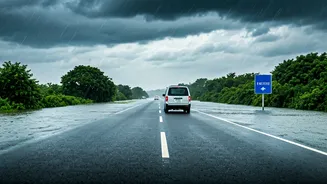
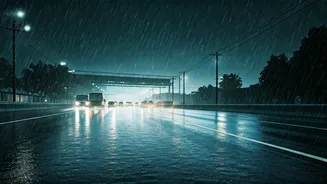
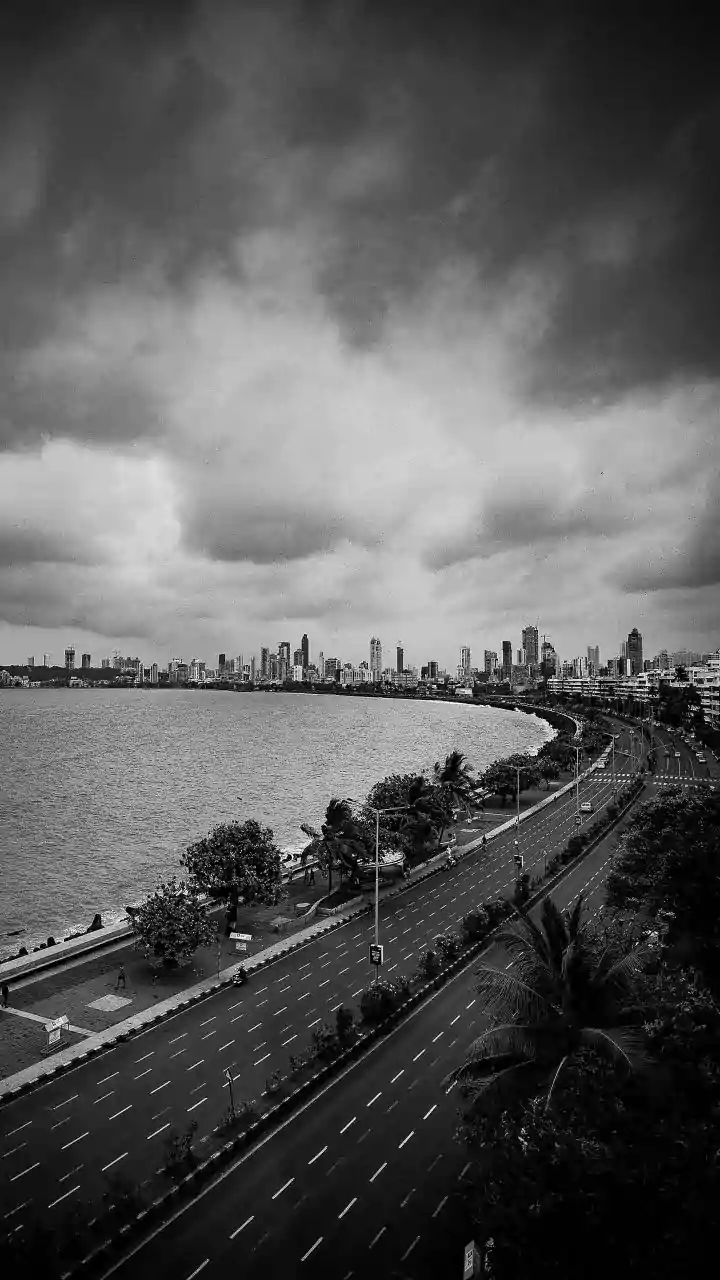
For anyone driving a car or riding a two-wheeler, the monsoon presents a unique set of hazards. Recent intense showers in Mumbai led to the closure of the Andheri subway and significant waterlogging in several low-lying areas, slowing traffic to a crawl.
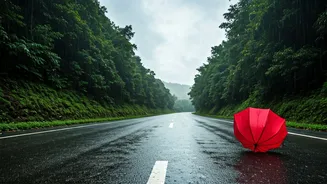
In Bengaluru, recent rains have worsened the condition of roads, with traffic police flagging high-risk stretches prone to potholes and rapid submergence, particularly on the Outer Ring Road and near major tech parks. The primary dangers are not just the traffic jams themselves, but the roads beneath. Potholes are often invisible under murky water, and slick roads dramatically increase braking distances. Authorities in multiple cities have issued warnings, urging commuters to avoid unnecessary travel during intense spells and to stay informed about road closures.
Vehicle Readiness is Key
Before you even start your journey, a pre-monsoon vehicle check is non-negotiable. Ensure your tyres have adequate tread to grip wet roads and prevent aquaplaning. Check that your brakes, headlights, and windscreen wipers are in perfect working order. Poor visibility is a major cause of accidents during downpours, so keeping your headlights on low beam can help other drivers see you. For two-wheeler riders, the advice is even more critical: wear a full-face helmet to protect from rain and debris, and use waterproof gear to stay dry and focused. It's also wise to keep your fuel tank topped up, as you never know when a short trip might turn into a long wait in a traffic jam.
Navigating Public Transport
If you rely on public transport, the challenges are different but just as frustrating. In Mumbai, the lifeline of the city, the local trains, often face delays due to waterlogged tracks, leading to overcrowding and last-minute cancellations. Overnight showers have recently disrupted services and led to crowded platforms during peak hours. Similarly, bus services can be re-routed or delayed due to flooded streets. A major incident near Mumbai's DN Nagar Metro Station saw a tree fall on a bus, blocking a key arterial road and halting traffic. The best strategy is to plan for delays. Follow the official social media accounts of your local railway and bus corporations for real-time updates. Have a backup plan, whether it's an alternative route or the ability to work from home if advisories are severe.
Your Digital and Physical Toolkit
A little preparation can go a long way in making your monsoon commute safer and less stressful. Before leaving home, check the latest weather forecasts from reliable sources like the India Meteorological Department (IMD). The IMD has issued orange alerts for Mumbai, forecasting heavy to very heavy rain. Use live traffic apps to spot waterlogged areas and major jams on your route. Pack a 'monsoon kit' for your journey. This should include a waterproof bag for your electronics, a power bank for your phone, a small towel, and perhaps a change of footwear. If you get stranded, having some snacks and water handy can make the wait more bearable. Finally, always let a family member or colleague know your route and expected travel time, especially if the weather is particularly bad.