



The Search for Authentic Experiences
Modern travellers, particularly those in the 28-40 age bracket, are increasingly seeking more than just a checklist of sights. They are on a quest for authenticity—a desire to connect with a place on a deeper, more personal level. Food is the most direct
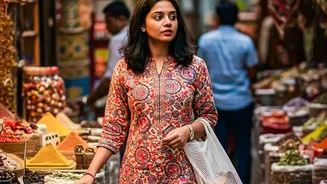
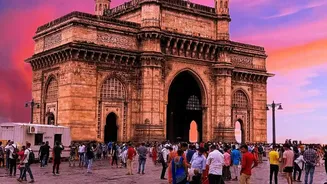
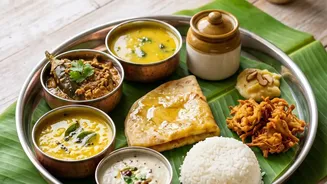
and delicious gateway to a city’s culture. An immersive food tour offers a narrative that a monument cannot; it tells the story of generations through a single dish, reveals the pulse of a neighbourhood through its market, and connects visitors with the local community in a tangible way. This desire for genuine connection is a major reason why sampling street food and exploring local markets has become a primary travel activity, rather than an afterthought.
The Social Media Effect
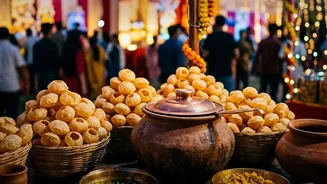
In the age of visual storytelling, a vibrant plate of street food is often more compelling than another photo of a well-documented landmark. Platforms like Instagram have turned local delicacies and bustling markets into highly 'shareable' content. Food vloggers and travel influencers have immense power to shape travel trends, and their focus on 'hidden gems' and unique culinary finds has created a powerful feedback loop. Travellers see these authentic experiences online and then seek them out, turning previously overlooked food stalls and markets into must-visit destinations. This digital word-of-mouth has significantly influenced how travellers, especially those under 40, plan their itineraries, with many now building trips entirely around culinary experiences.
A Boost for Local Economies
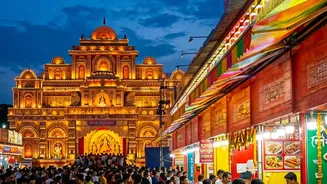
This shift in tourism has significant economic benefits. When tours focus on street food vendors and small market sellers, tourist spending is channelled directly into the local community. This model is more sustainable than one focused on large, foreign-owned chains or major attractions. It empowers small family-run businesses, preserves culinary heritage, and creates employment opportunities for local residents. In many Indian cities, from the bustling lanes of Delhi's Chandni Chowk to Mumbai's Mohammed Ali Road, food tours are helping to sustain traditions and provide livelihoods for countless vendors, proving that tourism can be a powerful force for grassroots economic growth.
India's Culinary Renaissance
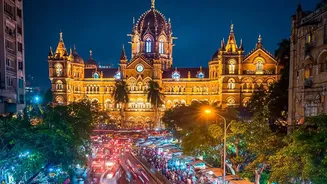
India, with its unparalleled diversity of regional cuisines, is perfectly positioned to lead this trend. Tour operators are increasingly offering curated food walks that go far beyond generic curries. Imagine a tour through Old Delhi tasting decades-old chole bhature recipes, a journey through Kolkata's lanes to find the perfect kathi roll, or exploring Mumbai's coastal Koli communities for the freshest seafood. These experiences are becoming a central part of India’s tourism appeal. Government initiatives are also recognising the power of culinary tourism, encouraging states to showcase their unique food cultures as a key attraction. For both domestic and international tourists, exploring India is increasingly about tasting its history, one bite at a time.