

Look around your home. Those glass jars, plastic bottles, and tin cans destined for the recycling bin hold a secret: they are blank canvases waiting for a splash of colour. This guide will help you turn trash into treasure.
Finding Your Perfect Canvas
The first step in any upcycling
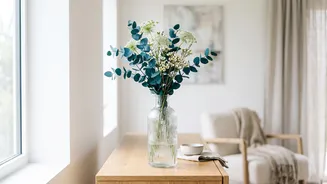
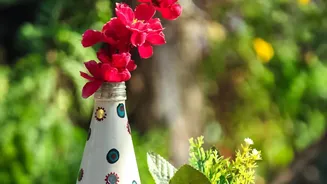
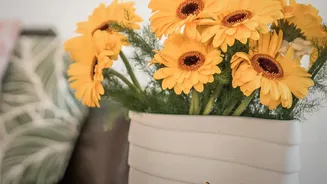
project is choosing your container. You don't need to buy anything new; your home is already full of potential candidates. Look for old jam jars, glass bottles from drinks, plastic containers from food products, or even metal tins from biscuits. The shape and size will determine the final look. A tall, slender bottle can become an elegant single-stem vase, while a wider jar is perfect for a small bouquet. The key is to see the potential in items you would otherwise discard, giving them a second life as a piece of personalised decor.
Preparation Is Everything
Before you can unleash your creativity, proper preparation is essential to ensure the paint adheres well and your design lasts. First, thoroughly clean the containers to remove any labels, glue residue, and dirt. Soaking them in hot, soapy water usually does the trick. For stubborn labels, a little rubbing alcohol can help. Once clean, make sure the surface is completely dry. If you're working with a very smooth surface like glass or plastic, lightly sanding it with fine-grit sandpaper can create a better texture for the paint to grip. Finally, applying a coat of primer is a great idea, especially for plastic or metal, as it creates an ideal base for your colour.
Choosing Your Palette and Paint
Now for the fun part: colour! The type of paint you choose depends on the material of your container and the finish you desire. Acrylic paint is a versatile, beginner-friendly option that works well on most surfaces. For a matte, vintage look, chalk paint is an excellent choice and often requires minimal prep. If you want a quick, even coat, especially for intricate shapes, spray paint is a great option. When selecting colours, consider your home's existing decor. Do you want your vase to blend in or be a bold statement piece? You can opt for a single solid colour, experiment with colour-blocking, or try an ombre gradient for a more artistic effect.
Simple Painting Techniques
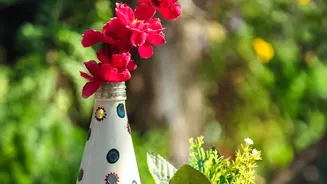
You don't need to be an artist to create a stunning vase. For a minimalist look, a solid coat of a single colour is chic and effective. To create a two-tone design, use painter's tape to mask off sections of the container before painting. Once the first colour is dry, you can remove the tape to reveal a crisp, clean line. For a textured, ceramic-like finish, try mixing a small amount of baking soda into your acrylic or chalk paint. This will create a slightly gritty, stone-like appearance that adds depth and character. You can also use stencils for more intricate patterns or freehand simple designs like stripes and dots.
The Finishing Touch: Sealing Your Work
To protect your beautiful creation from chipping, fading, and moisture, sealing it is a crucial final step. This is especially important if you plan to use your vase for fresh flowers with water. A clear acrylic sealer, available in spray or brush-'on' form,' will provide a protective layer.' You can choose between matte,' satin,' or glossy finishes depending on the look you want to achieve.' Apply one or two thin,' even coats,' allowing the first coat to dry completely before applying the second.' Sealing both the inside and outside of the vase offers the best protection.