


A Calmer Buzz for an Anxious Generation
For many, the choice between coffee and matcha comes down to how it makes them feel. While espresso provides a powerful, immediate jolt of energy, it often comes with a side of jitters and an inevitable afternoon crash. This is a significant drawback
for a generation that reports high levels of anxiety. Matcha, in contrast, offers a different kind of energy. It contains a unique amino acid called L-theanine, which works in synergy with caffeine to promote a state of calm alertness. This results in a smoother, more sustained energy boost over four to six hours, without the sharp spike and subsequent drop-off associated with coffee. For young professionals navigating demanding careers, matcha provides focus without fueling feelings of stress.
Rejecting Hustle for a Mindful Ritual
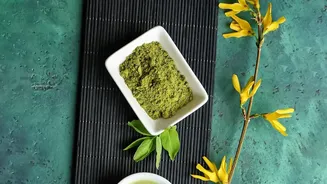
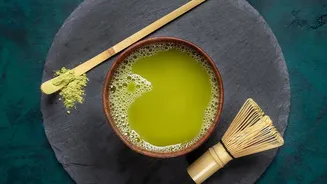
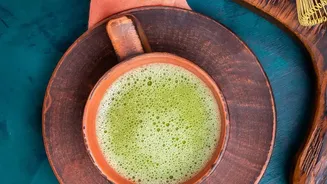
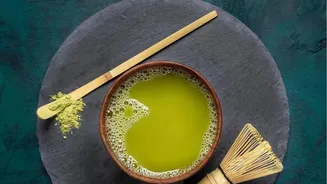
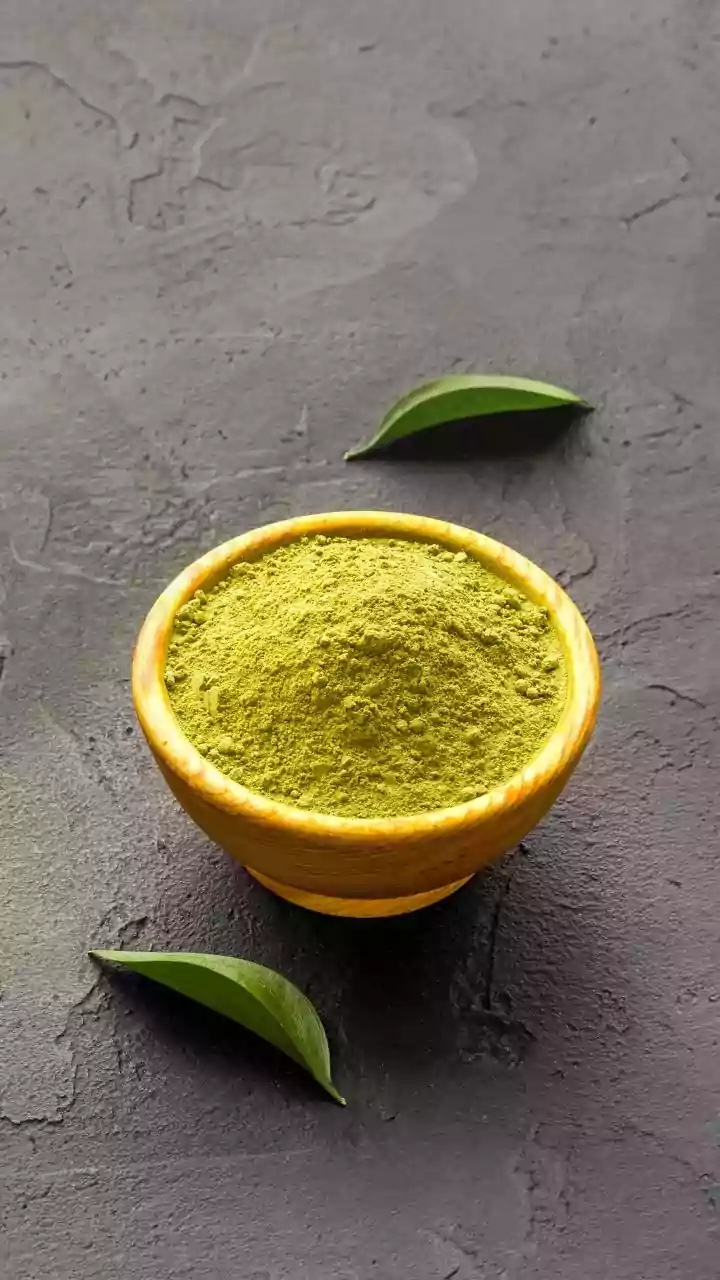
The cultural symbolism of these two drinks couldn't be more different. Espresso has long been the fuel of 'hustle culture'—a quick, potent shot designed to maximize productivity and power through a demanding schedule. It represents speed and pressure. A growing number of Gen Z professionals are pushing back against this always-on mentality, seeking more balance and intentionality in their daily lives. Matcha fits perfectly into this 'slow living' ethos. The very act of preparing it—sifting the powder, whisking it into a froth—is a small, mindful ritual. It encourages a pause, a moment of focus that stands in stark contrast to grabbing a disposable coffee cup on the run. This small act of self-care resonates with those looking to find calm in a digitally saturated world.
The Undeniable Aesthetic Appeal
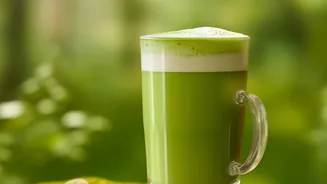
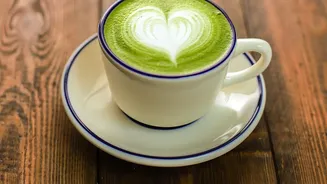
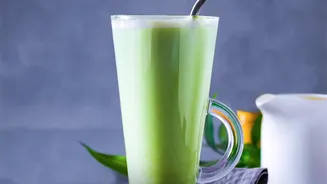
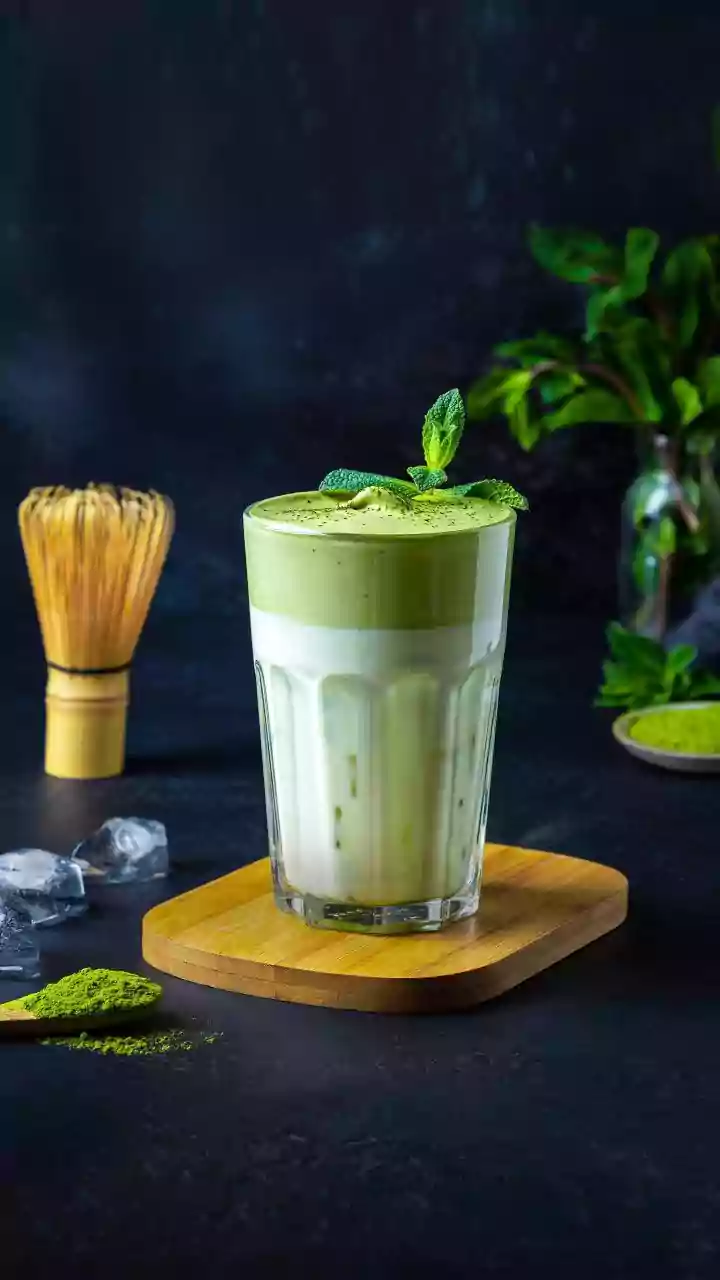
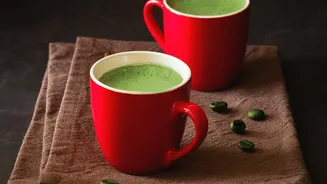
In a world curated for social media, aesthetics matter. Gen Z, as the first truly digital-native generation, understands the power of a visual statement. And a matcha latte is undeniably photogenic. Its vibrant, earthy green colour pops against the white of a ceramic mug or the layers of oat milk in a clear glass, making it a star on Instagram and TikTok feeds. Coffee shops have leaned into this, presenting matcha lattes as a premium, visually appealing offering. For many young consumers, the choice of drink is an extension of their personal brand. Ordering a matcha latte signals an alignment with wellness, aesthetic taste, and a certain cultural awareness.
More Than Just a Trend
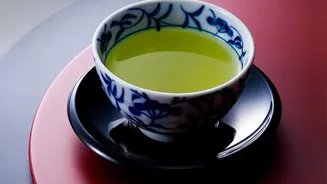
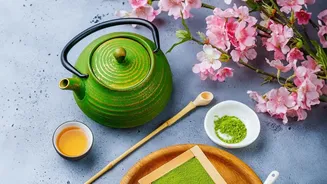
While its popularity has surged on social media, matcha's appeal runs deeper than a fleeting trend. It boasts a rich history rooted in Japanese tea ceremonies and Zen Buddhism, embodying principles of mindfulness, respect, and tranquility. This sense of tradition and authenticity resonates with a generation that values transparency and origin stories. Furthermore, matcha is seen as a versatile and functional beverage, packed with antioxidants like EGCG. As consumers increasingly look for drinks that offer health benefits beyond simple hydration, matcha's profile as a 'wellness' beverage gives it significant staying power. It's not just a drink; it's a lifestyle choice that aligns with a broader shift toward holistic well-being.