


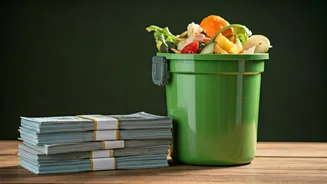




Not Your Grandfather's Compost Heap
Let’s be honest: for generations, composting was a worthy but decidedly unglamorous activity. It involved a large, vaguely smelly pile in a distant corner of the garden, tended to by dedicated eco-warriors. Inside the house, the system was even less appealing—often
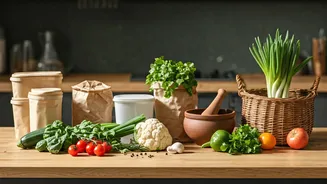
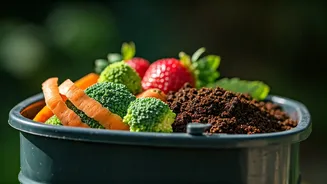
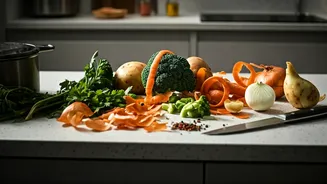
a repurposed plastic container or a leaky bag stashed under the sink, waiting to be ferried outside. The idea of showcasing your collection of eggshells, coffee grounds, and vegetable peels would have been absurd. But today, the compost bin has undergone a radical transformation. It has moved from the backyard to the kitchen countertop, emerging as a sleek, stylish, and surprisingly desirable object.
The Social Media Glow-Up
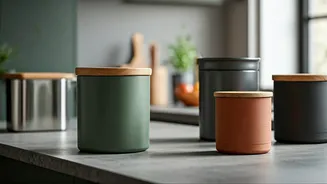
The driving force behind this shift is, unsurprisingly, social media. On platforms like TikTok and Instagram, under hashtags like #EcoTok, #SustainableLiving, and #KitchenHacks, the humble compost bin has become a star. Influencers showcase their meticulously organised kitchens, and nestled between the espresso machine and the high-speed blender is a beautifully designed compost caddy. These aren't the clunky plastic tubs of yesterday. We're seeing bins made from brushed stainless steel, minimalist bamboo, or colourful, food-grade silicone. They are designed to be seen, to signal a commitment to sustainability that is also aesthetically pleasing. This visual appeal makes sharing easy and turns a chore into a statement.
Aesthetics Meets Eco-Anxiety
This trend isn't just about looks; it's deeply tied to a growing collective awareness about food waste and climate change. Many of us feel a sense of 'eco-anxiety'—a persistent worry about the state of the planet. Composting offers a tangible, daily action that provides a small sense of control. Every banana peel and onion skin diverted from a landfill feels like a small victory. When you can’t solve the global crisis, solving your kitchen’s waste problem feels empowering. The new wave of compost bins makes this virtuous act even easier and more pleasant to incorporate into daily life. If the tool you use is beautiful and odour-free, you're far more likely to stick with the habit.
The New Kitchen Status Symbol
Just as the stand mixer became a symbol of a serious home baker and the air fryer signalled a modern, health-conscious cook, the countertop compost bin is the new kitchen status symbol. It speaks volumes about its owner: they are environmentally responsible, organised, and have a good eye for design. High-tech versions, sometimes called 'electric composters' or 'food cyclers', have accelerated this trend. Gadgets like the Lomi promise to turn food scraps into nutrient-rich dirt in a matter of hours, all with the push of a button and without the mess or smell of traditional methods. They are expensive, but their popularity proves that people are willing to invest in solutions that align with their values and simplify their lives.
More Than Just a Fad?
It's easy to be cynical and dismiss this as 'performative sustainability'—just another trend driven by consumerism. Does owning a pretty bin actually make a difference? The answer is a qualified yes. While buying a new product has its own environmental footprint, the habit it encourages is undeniably positive. Composting food scraps keeps them out of landfills, where they would otherwise decompose and release methane, a potent greenhouse gas. The compost itself enriches soil, reducing the need for chemical fertilizers in gardens and farms. If a viral trend is what it takes to get millions of households to start composting, then it’s a fad with real-world benefits. It’s a gateway to thinking more critically about consumption and waste.