




Essential Monsoon Balcony Care
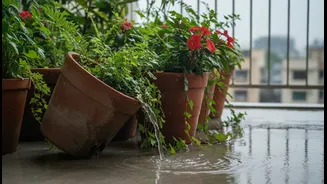
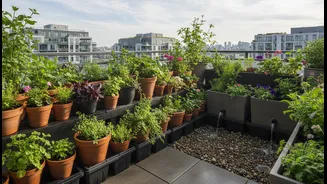
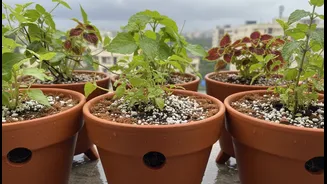
Before we dive into the flowers, let's cover the basics of monsoon garden care. The biggest challenge during the rainy season is not a lack of water, but too much of it. Ensure every pot has clear drainage holes to prevent waterlogging, which can lead
to root rot. It's a good idea to elevate your pots on stands to help excess water escape freely. Also, space your plants to allow for good air circulation; this helps prevent the fungal diseases that thrive in humid conditions. While rain provides plenty of water, if there’s a dry spell, check the soil before watering. If the top inch feels dry, then it’s time for a drink.
The Classic Choice: Balsam
Known as 'Gulmehndi' in India, Balsam is arguably the quintessential monsoon flower. It thrives in the warm, humid conditions of the Indian monsoon and absolutely loves rainwater. Available in vibrant shades of pink, red, purple, and white, Balsam is incredibly easy to grow from seed, often blooming within six to eight weeks. These plants do well in pots on balconies that receive partial to full sun. Their resilience against heavy rains and ability to attract pollinators like bees and butterflies make them a rewarding choice for any balcony gardener.
The Cheerful Hibiscus
A common sight in Indian homes, the Hibiscus shrub bursts into large, brilliant blooms during the rainy season. While it appreciates moisture, good drainage is key to prevent root rot. Regular pruning in the early monsoon can help shape the plant and encourage more flowers. These tropical beauties in shades of red, pink, and yellow not only add a lush, tropical feel to your balcony but are also relatively low-maintenance. Keep an eye out for common monsoon pests and use a simple neem oil spray to keep them healthy.
The Hardy Zinnia
Zinnias are fast-growing annuals that offer a rainbow of colours and are highly attractive to pollinators. They love the sun and heat, making them a great summer and monsoon option. While they are drought-tolerant, they perform best with consistent moisture in well-draining soil, which makes the monsoon climate ideal, provided your pots don’t get waterlogged. Good air circulation is crucial for Zinnias to prevent powdery mildew, a common issue in humid weather. By ensuring they have enough space and sun, you'll be rewarded with continuous blooms throughout the season.
Jasmine's Monsoon Scent
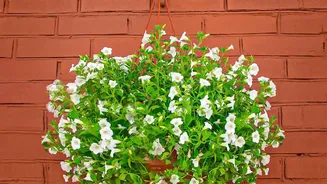
The fragrance of Jasmine, or 'Mogra', mingling with the smell of rain is a classic monsoon experience. These fragrant vines or shrubs adore the high humidity of the rainy season, often producing more flowers during this time. They can be grown in pots and require a spot with good sunlight. The combination of beautiful white flowers and their intoxicating scent can transform your balcony into a serene and fragrant retreat on a rainy evening.
The Unexpected Survivor: Portulaca
Also known as Moss Rose, Portulaca might seem like a surprising choice since it's a succulent that thrives on neglect. However, its tolerance for heat and ability to handle dry spells makes it resilient. The key is excellent drainage; it cannot stand waterlogged soil. During periods of continuous, heavy downpour, it might be wise to move it to a more sheltered spot. But in a typical monsoon with intermittent showers and sunny spells, its bright, colourful flowers that open with the sun will add a wonderful pop of colour to your balcony railing or hanging baskets.