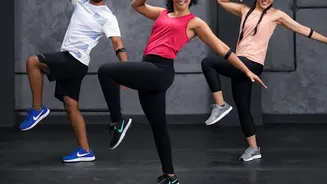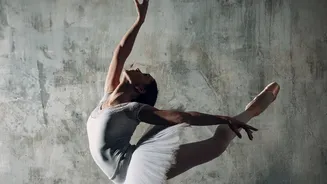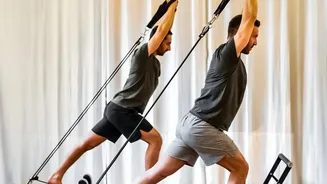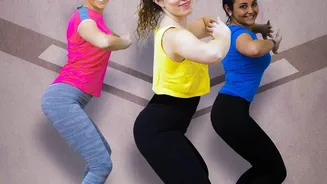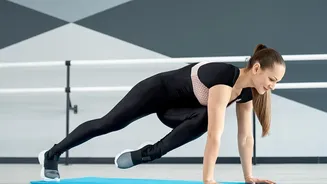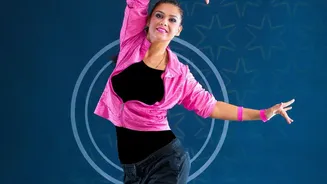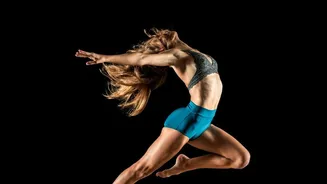



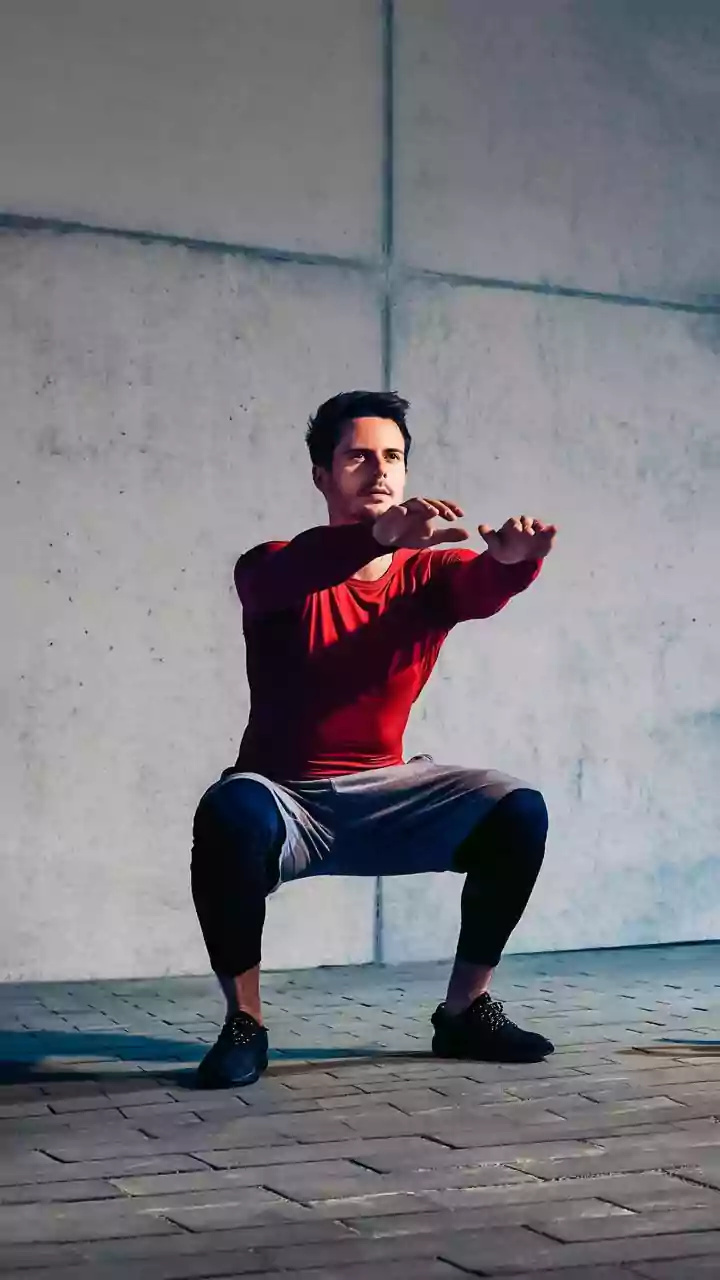

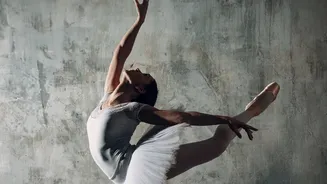

Tired of high-impact workouts that punish your joints? A new fitness trend offers a powerful alternative. Ballet-based cardio delivers a heart-pumping, muscle-sculpting workout by merging graceful strength with light, energetic jumps.
What Exactly is Ballet-Based Cardio?
Imagine a fitness
class that borrows the elegance and discipline of ballet but cranks up the tempo. That's the essence of ballet-based cardio. Unlike traditional ballet, which focuses on perfect technique and performance, this workout is all about fitness. It's also different from a classic barre class, which primarily uses small, isometric movements to fatigue muscles. Cardio barre, or ballet cardio, incorporates larger, more fluid movements and adds low-impact plyometrics—think small, controlled jumps, skips, and fast-paced footwork—to elevate your heart rate. This creates a routine that is part strength training, part cardiovascular conditioning, all set to an energetic playlist designed to keep you moving.
The Best of Both Worlds: Grace and Power
The magic of this workout lies in its hybrid approach. On one side, you have controlled, ballet-inspired movements like pliés (knee bends), tendus (foot stretches), and relevés (rising onto the balls of the feet). These exercises build long, lean muscles, enhance core stability, improve posture, and increase flexibility. They target smaller muscle groups often neglected in traditional strength training, creating a balanced, sculpted physique. On the other side, you have the cardio component: light, repetitive jumps. These low-impact plyometric exercises are designed to increase explosive power and get your heart rate up without the heavy joint stress of high-impact workouts like running. By combining these two elements, the workout builds both muscular endurance and cardiovascular health simultaneously.
The Key Benefits for Your Body and Mind
The fusion of controlled strength and light cardio delivers a comprehensive range of benefits. The continuous movement ensures a solid cardiovascular workout, improving stamina and heart health. The ballet-inspired exercises are exceptional for toning muscles in the legs, glutes, and core, leading to improved posture and body awareness. Because the movements are low-impact, it's a joint-friendly option, making it accessible for people who want to avoid the pounding of other cardio forms. Beyond the physical, the focus required to coordinate the movements provides mental benefits, too. Concentrating on form and rhythm can be a form of active meditation, helping to relieve stress and improve mental clarity.
Who Is This Workout For?
One of the greatest strengths of ballet_based cardio is its accessibility. You don't need any dance experience to join a class. Instructors guide you through the movements, offering modifications for all fitness levels. It's an excellent choice for beginners looking for an engaging way to get into fitness, as it builds a solid foundation of strength, balance, and coordination. It's also ideal for fitness enthusiasts looking to cross_train or find a new challenge that is less punishing on the body. Individuals recovering from certain injuries or those with sensitive joints may find the low_impact nature particularly appealing. The workout can be scaled up or down by adding light weights, resistance bands, or increasing the intensity of the cardio intervals.
What to Expect in a Typical Class
Walking into a ballet_based cardio class , you’ll typically find a supportive and energetic atmosphere . Most classes use a ballet barre for balance , but a sturdy chair or countertop works for at–home versions . The session will likely start with a warm–up featuring foundational ballet movements to activate the muscles . From there , the pace picks up , flowing through sequences that mix strength–focused ballet positions with cardio bursts like small jumps (sautés) or quick leg movements (dégagés) . The instructor will guide the class through combinations that target the entire body , from arms and core to thighs and glutes . Expect to feel your muscles burn from the controlled repetitions and your heart rate climb during the cardio sections , all before a final cool–down stretch to improve flexibility .