




A Resilient Desert Treasure
The Karauli Dang region, a vast, ravine-filled landscape flanking the Chambal River, is known for its harsh, dry conditions. Yet, it is here that the wild beri, scientifically known as Ziziphus nummularia, thrives. This thorny, much-branched shrub is a common
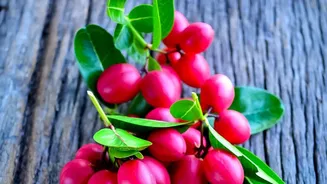
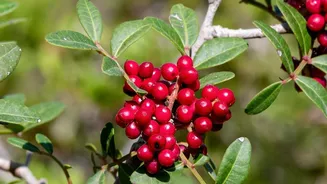
sight across western India's desert areas, growing untamed where other vegetation struggles. The fruit itself is a small, round berry that transitions from green to a reddish-brown as it ripens between November and December. Its taste is a delightful sweet-tart mix, earning it local affection and a central place in the region's ecology. Unlike cultivated fruits, this wild berry is perfectly adapted to survive in areas with minimal rainfall, making it a true symbol of resilience.
The Nutritional Powerhouse
Despite its humble origins, the wild beri is a nutritional heavyweight. It is exceptionally rich in Vitamin C, antioxidants, and essential minerals. In fact, some studies suggest that certain varieties of Indian jujube, or ber, are richer in protein, calcium, and Vitamin C than an apple. This makes it an invaluable food source, especially in a region where fresh produce can be scarce. For centuries, local communities have relied on this fruit as a vital dietary supplement. Its high nutritional content helps boost immunity and provides energy, which is crucial for the hardworking people of the Dang area.
A Cornerstone of the Local Economy
The significance of wild beri extends far beyond nutrition; it is a critical component of the local economy. For many families in the resource-deprived Dang region, the annual berry harvest provides a much-needed source of income. When the fruits ripen, villagers head into the forests to collect them. The berries are sold fresh in local markets or dried for later use. The dried berries, which turn a dark black, have a longer shelf life and are a staple ingredient in many local dishes. The economic value of such non-timber forest products is immense, providing thousands of rupees annually to households and supporting livelihoods when agriculture is challenging due to water scarcity.
From Forest to Table: Culinary and Medicinal Uses
In Rajasthani kitchens, the wild beri is used in numerous ways. Fresh berries are eaten as a healthy snack, while the dried form is a key ingredient in traditional dishes like 'Ker Sangri', a classic desert vegetable preparation. The berries are also used to make pickles (achar) and tangy chutneys that are popular condiments across the state. Beyond the kitchen, Ziziphus nummularia holds a respected place in traditional medicine systems like Ayurveda. Various parts of the plant—including the fruit, leaves, and bark—are used to treat a range of ailments. The fruit is known to aid digestion and can help with issues like diarrhea, while the leaves are sometimes used in treatments for skin conditions.
Ecological and Cultural Importance
The wild beri shrub is more than just a source of food and income; it plays an important role in its ecosystem. The thorny branches are often used by villagers to create natural, protective fencing for their farms. The plant itself is hardy and helps in soil conservation in the erosion-prone ravine lands of the Dang. The Khejri tree, which also produces a type of desert berry, is considered a lifeline in the desert and is even worshipped by locals for its ability to thrive in arid conditions. This deep-rooted connection highlights how plants like the wild beri are woven into the cultural fabric of Rajasthan, representing sustenance, survival, and the unique biodiversity of the region.