






The New, Aspirational Consumer
For decades, the Indian consumer story was largely written in the metros. But today, the most exciting chapter is unfolding in Tier 2, Tier 3, and even rural markets. A recent Flipkart report highlighted that two out of every three beauty product orders
now originate from non-metro cities. This isn't just about selling more soap or basic creams; it's about a fundamental shift in consumer behaviour. Thanks to rising disposable incomes, increased digital penetration, and greater exposure to global trends, consumers in towns like Jaipur, Lucknow, and Surat are no longer just passive recipients of what's available. They are active, aspirational, and increasingly discerning, seeking quality, efficacy, and products that reflect their evolving identities. This new consumer is digitally savvy, influenced by social media, and ready to spend on products that promise confidence and self-expression.
Digital Access and D2C Brands: The Great Equalizers
The engine powering this non-metro boom has two key components: internet access and the Direct-to-Consumer (D2C) brand revolution. With over 750 million internet users, cheap data has democratised information and aspiration. Social media platforms and YouTube tutorials have become the new style guides, making consumers in smaller towns aware of everything from multi-step skincare routines to the latest beard-styling trends. This digital bridge has been expertly crossed by a new wave of D2C brands. Companies like Mamaearth, Bombay Shaving Company, and Sugar Cosmetics have bypassed traditional distribution hurdles, reaching customers directly through e-commerce. They speak the language of the new consumer, focusing on specific problems, transparent ingredients, and building communities online. This has made premium and specialised grooming products accessible to a massive, previously underserved population.
Men's Grooming: From Niche to Mainstream
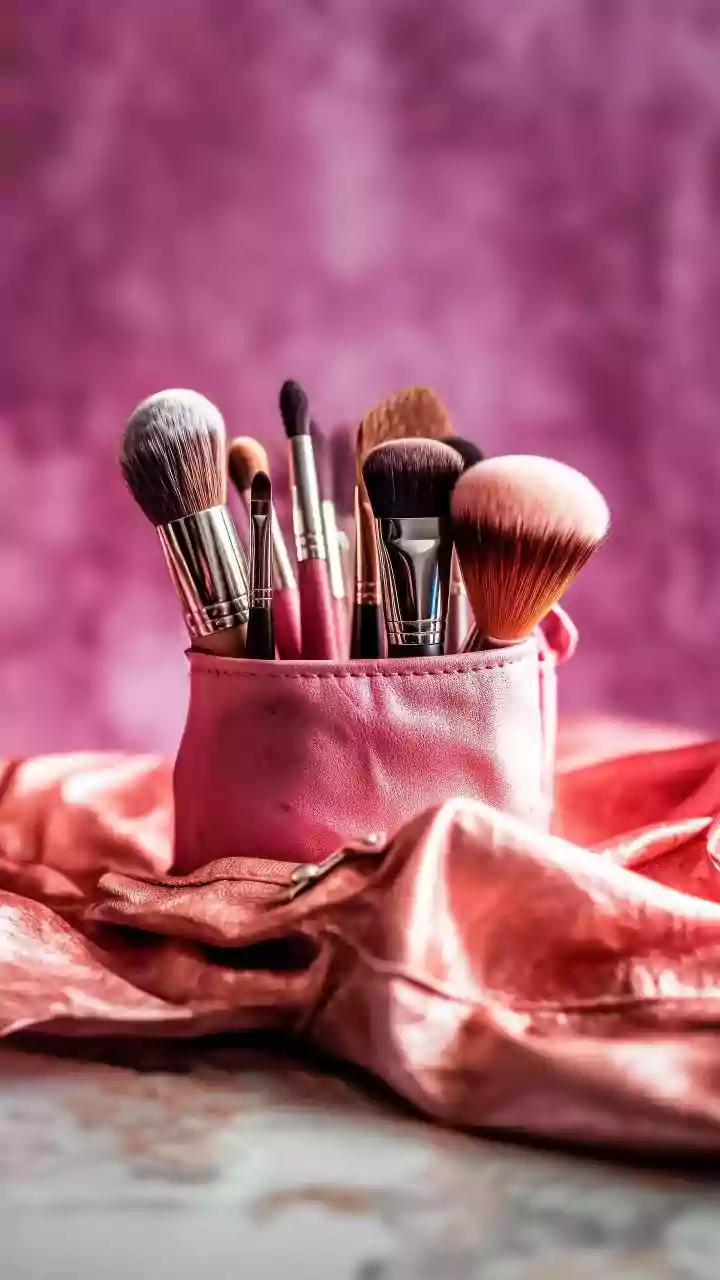
Perhaps the most significant aspect of this growth is the explosion in the men's grooming market. What was once a category limited to shaving cream and deodorant has transformed into a dynamic industry encompassing skincare, beard care, and even male cosmetics. The Indian men's grooming market, valued at over ₹20,000 crore in 2024, is projected to nearly double by 2033, growing much faster than the overall personal care market. This surge is driven by changing ideas about masculinity, where self-care is increasingly viewed as a sign of confidence and wellness. In non-metro areas, this trend is particularly pronounced. Brands are finding an eager audience for products like beard oils, face serums, and sunscreens, signalling a move beyond basic hygiene to a more holistic grooming regimen.
The Untapped Opportunity for Brands
For businesses, the message is clear: ignoring non-metro India is no longer an option. These markets represent the next frontier of growth, but winning here requires a new playbook. Consumers in these regions are not simply looking for cheaper versions of metro products. They are seeking value, quality, and authenticity. Reports show a growing demand for premium products, with consumers willing to pay for superior ingredients and better results. Brands that succeed will be those that listen to the specific needs and aspirations of these consumers. This means investing in localised marketing, understanding regional preferences, and ensuring products are effective for different climates and skin types. The future of the Indian beauty and personal care industry, projected to hit nearly $40 billion by 2030, will be largely shaped by its ability to connect with this vast and dynamic audience.