


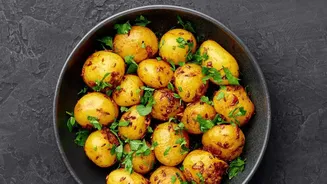
The humble potato is a kitchen staple, but it is easy to fall into a routine of boiling, mashing, or frying. Ready to break free? Here are some simple yet impressive techniques to unlock new flavours and textures from this versatile vegetable.
The Crispy-Fluffy Magic of Smashed Potatoes
If you love
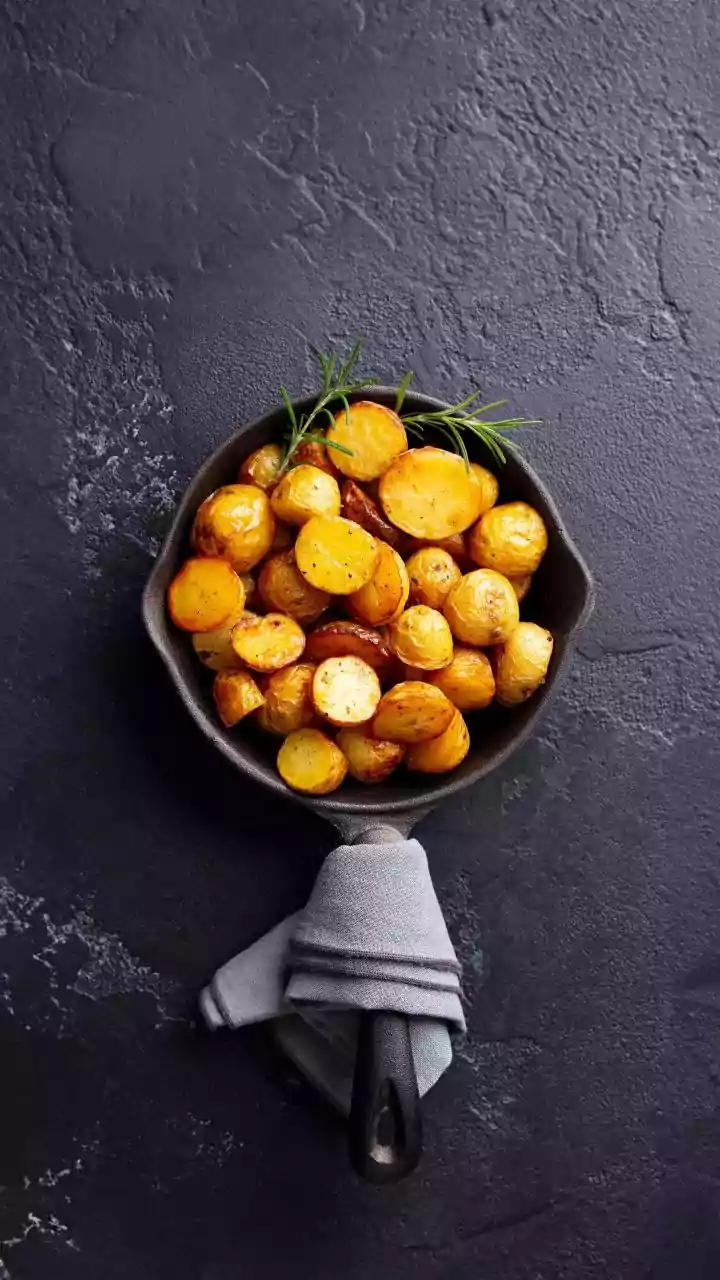
the crispy edges of roasted potatoes and the creamy centre of mashed potatoes, this method gives you the best of both worlds. Smashed potatoes look impressive but are deceptively simple to make. The technique involves boiling small, waxy potatoes until they are tender enough to be pierced easily with a fork. After draining them, you arrange them on a baking sheet and gently 'smash' each one with the bottom of a glass or a potato masher until flattened to about half an inch thick. This act of smashing creates a huge amount of surface area with lots of nooks and crannies. Drizzle generously with olive oil, sprinkle with salt, pepper, and your favourite herbs like rosemary or thyme, and then roast in a hot oven. The result is an incredible texture contrast: irresistibly crispy, browned edges and a soft, fluffy interior. They are a perfect side dish that feels far more special than their minimal effort suggests.
Hasselback Potatoes: An Accordion of Flavour
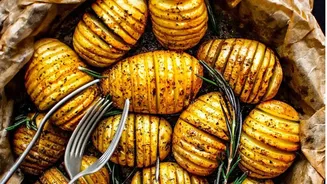
Named after the Stockholm restaurant where they were invented, Hasselback potatoes offer a stunning presentation with very little fuss. The unique accordion-like appearance is achieved by making thin, vertical slices along the length of the potato, stopping just before you cut all the way through. A helpful trick is to place the potato between two chopsticks or wooden spoon handles; this will stop your knife from cutting through the base. Once sliced, the potato fans open slightly. This clever preparation allows butter, oil, and seasonings to penetrate deep into every slice. As it bakes, the edges on top become wonderfully crisp, while the bottom remains soft and tender, almost like a baked potato. You can tuck thin slices of garlic or cheese between the layers before baking for an extra burst of flavour. They look like a culinary masterpiece but are fundamentally a simple roast potato with a brilliant twist.
Salt-Crusted Potatoes: Simple and Intense
This might be the most minimalist yet transformative potato cooking method you will ever try. It involves baking whole, unpeeled potatoes directly on a thick bed of coarse salt. You do not oil them or wrap them in foil. Simply wash and dry your potatoes, create a salt layer in a baking dish, and place the potatoes on top. As they bake, the salt crust draws moisture out of the potato skin, seasoning it gently while concentrating the potato's natural flavour. This process results in an interior that is exceptionally fluffy, creamy, and intensely 'potato-ey', with skin that is firm and pleasantly chewy. This technique works best with smaller, new, or waxy potatoes. After baking, you simply brush off the excess salt and serve them whole, perhaps with a simple dip or a dollop of butter. The method requires almost no active prep time and yields a surprisingly flavourful result.
Domino Potatoes: An Elegant Stack
For a dish that looks elegant enough for a dinner party but is easy enough for a weeknight, look no further than domino potatoes. This preparation is like a simplified, deconstructed potato gratin, minus the heavy cream and cheese. Start by peeling and slicing your potatoes very thinly, as if you were making crisps. The key is to keep the slices uniform. You then toss these thin slices in melted butter or olive oil, salt, and herbs. The magic happens in the assembly: you stack the potato slices vertically in a loaf pan or small baking dish, creating a 'domino' effect. As the dish bakes, the tops of the potato slices become wonderfully golden and crisp, while the layers underneath steam and become soft and tender. It is a beautiful way to serve potatoes, offering a range of textures in every single bite. It proves that a sophisticated presentation does not always require a complicated process.