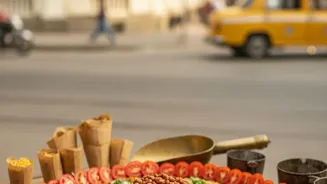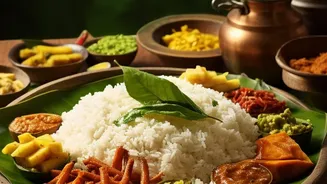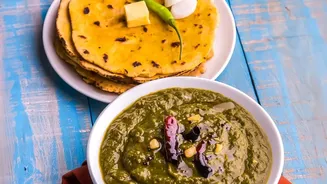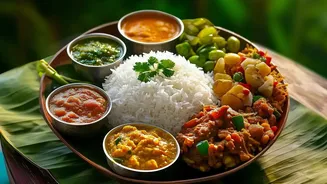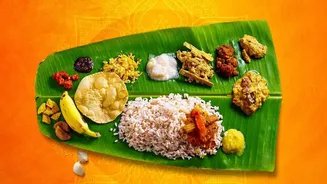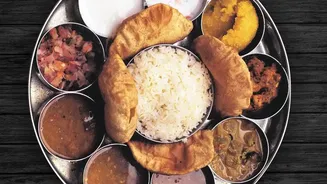

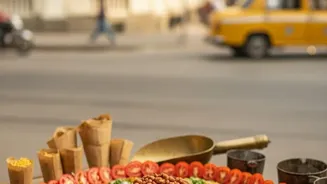

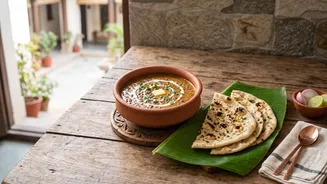
A taste of a forgotten family dish can trigger a flood of memories. In India’s bustling cities, a quiet but powerful culinary revolution is underway, as chefs and home cooks work to bring these vanishing regional recipes back to the table.
A Hunger for Heritage
For years, the
story of food in urban India was one of globalisation and homogenisation. As people migrated for work and opportunities, traditional food practices, shaped by local climate and agriculture, began to fade. Complex dishes requiring slow, deliberate preparation were often the first casualties of fast-paced city life. But now, a counter-trend is taking root. A growing number of urban Indians are feeling a powerful sense of nostalgia and a desire to reconnect with their roots. This has sparked a renewed curiosity in the foods of their grandparents and the distinct flavours of their home regions, moving beyond the standard butter chicken and biryani that long dominated restaurant menus. This shift is more than just about food; it's about reclaiming a piece of cultural identity that was at risk of being lost.
The Culinary Custodians
At the forefront of this revival are 'culinary archaeologists'—chefs who are dedicating their careers to researching and resurrecting lost recipes. They are digging through old family cookbooks, interviewing elders, and travelling to remote villages to uncover the secrets of heirloom dishes. This movement is about showcasing the incredible diversity of India's culinary landscape, from Nagaland's smoked pork with bamboo shoot to Odisha's chhena poda and the myriad dishes from Telangana's coastal kitchens. These chefs see themselves as custodians of a living heritage. Their mission is not just to replicate old dishes, but often to elevate them with modern techniques and presentations, making them relevant for today's discerning diners without losing their soul. This brings visibility to indigenous ingredients and forgotten cooking methods like the 'dum pukht' slow-cooking style.
The Rise of the Home Chef
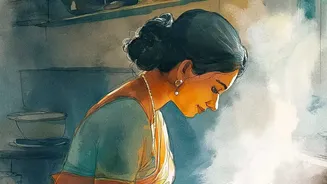
The revival isn't just happening in fancy restaurants. A significant part of the movement is powered by home chefs, who have become the guardians of their family's culinary traditions. For generations, these recipes were passed down orally, but urbanisation threatened to break that chain. Today, social media and food delivery platforms have empowered these cooks, giving them a way to share their authentic, hyper-local food with a wider audience. They are preserving techniques like hand-pounding spices and slow-simmering curries, methods often abandoned for commercial convenience. From a Parsi Mutton Dhansak slow-cooked for Navroz to a Bengali Malai Chomchom prepared for Durga Puja, these home chefs offer more than just a meal; they offer a story and a direct connection to a region's cultural fabric. By supporting them, consumers are also supporting small-scale producers and a more sustainable food ecosystem.
More Than Just a Meal
Every revived recipe is a vessel for history, carrying stories of community, migration, and ingenuity. Keeping these culinary traditions alive is an act of preserving cultural identity. The trend also has a tangible economic and social impact. It fuels culinary tourism, creates opportunities for small entrepreneurs, and fosters a deeper appreciation for India's agricultural biodiversity by creating demand for forgotten local grains and spices. International recognition, such as UNESCO's 'City of Gastronomy' designation for cities like Lucknow and Hyderabad, further validates these efforts, positioning India's regional cuisines on the global stage. This global spotlight, in turn, inspires a new generation of chefs and home cooks to take pride in their heritage, ensuring that these flavours are not just preserved but celebrated for years to come.