







1. Automated Dining and Hydration
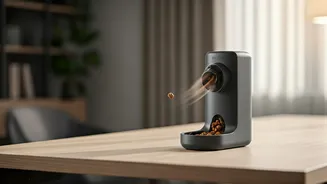
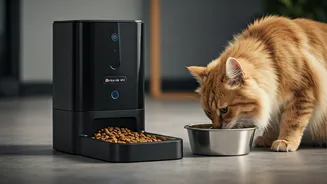
The most fundamental aspect of pet care—feeding—has received a major intelligent upgrade. Gone are the days of simply leaving a full bowl of kibble out. Modern smart feeders allow you to schedule precise, portion-controlled meals from an app on your phone,
whether you're at the office or stuck in traffic. This is a game-changer for pets with specific dietary needs or those prone to overeating. Many devices can log feeding times and amounts, giving you and your vet a clear picture of your pet's eating habits. Some even feature a voice recording function, so your pet can hear your call when it's time to eat. Similarly, smart water fountains ensure a constant supply of fresh, filtered water, encouraging hydration and using sensors to alert you when the water level is low.
2. The Two-Way Connection Camera
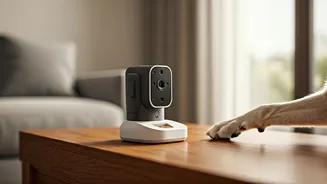
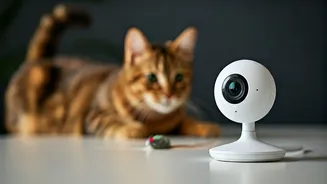
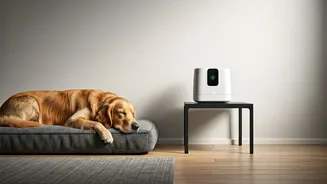
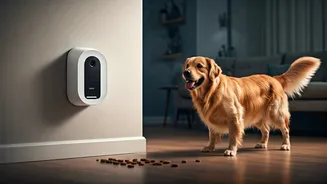
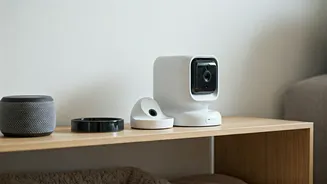
Pet cameras are no longer just for passive surveillance. The new generation of devices are interactive hubs designed to reduce pet anxiety and owner worry. Features like high-definition video with night vision, 360-degree rotation, and motion alerts are now standard. The real evolution is in the interaction. Two-way audio allows you to hear your pet and speak to them in a soothing voice, providing comfort when they seem distressed. Some of the most popular models, like Furbo and Petcube, have built-in treat dispensers that let you toss your pet a snack remotely as a reward for good behaviour. Advanced systems even use AI to detect specific activities, sending you a 'bark alert' or a 'selfie alert' when your pet is looking at the camera, creating moments of connection throughout the day.
3. The End of Pet Boredom
A bored pet is often a destructive pet. To combat this, smart home ecosystems are now incorporating automated toys that provide crucial mental and physical stimulation. These aren't just simple gadgets; they are designed to engage your pet's natural instincts. Think app-controlled laser pointers that create unpredictable patterns for your cat to chase, or self-rolling balls that move randomly to entice your dog into a game of fetch. Some of these toys can be scheduled to activate at certain times of the day, breaking up long, lonely hours with bursts of activity. This form of automated enrichment helps prevent separation anxiety, keeps your pet physically fit, and ensures your furniture remains intact.
4. Intelligent Access and Boundaries
Managing your pet's access—letting them out into the garden but keeping strays from coming in—has also become smarter. Microchip-enabled pet doors are a brilliant solution. These doors read your pet's unique microchip (or a special collar tag) and will only unlock for them. This provides freedom and autonomy for your pet while maintaining your home's security. Many smart doors also allow you to set 'curfew' modes from your phone, locking the door to keep your pet safely inside at night. For homes without a yard, GPS-powered 'virtual fences' offer another layer of safety. These systems allow you to define a safe zone on a map, and if your pet, wearing a tracker collar, leaves that area, you receive an instant alert on your phone.
5. A Window into Their Wellness
Perhaps the most significant leap is in health monitoring. Smart collars and activity trackers function much like a Fitbit for your pet. These lightweight devices track key health metrics like activity levels, sleep quality, calories burned, and even specific behaviours like scratching, licking, or shaking. The data is synced to an app, creating a baseline of your pet’s normal behaviour. If the app detects a significant deviation—for instance, a sudden drop in activity or a sharp increase in scratching—it can alert you to a potential health issue before physical symptoms become obvious. This provides invaluable, data-driven insights that you can share with your veterinarian, enabling more proactive and preventative care.