


The Fleet Operator's Dilemma
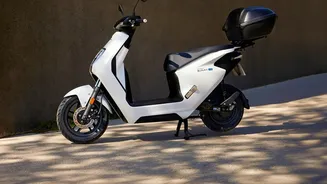
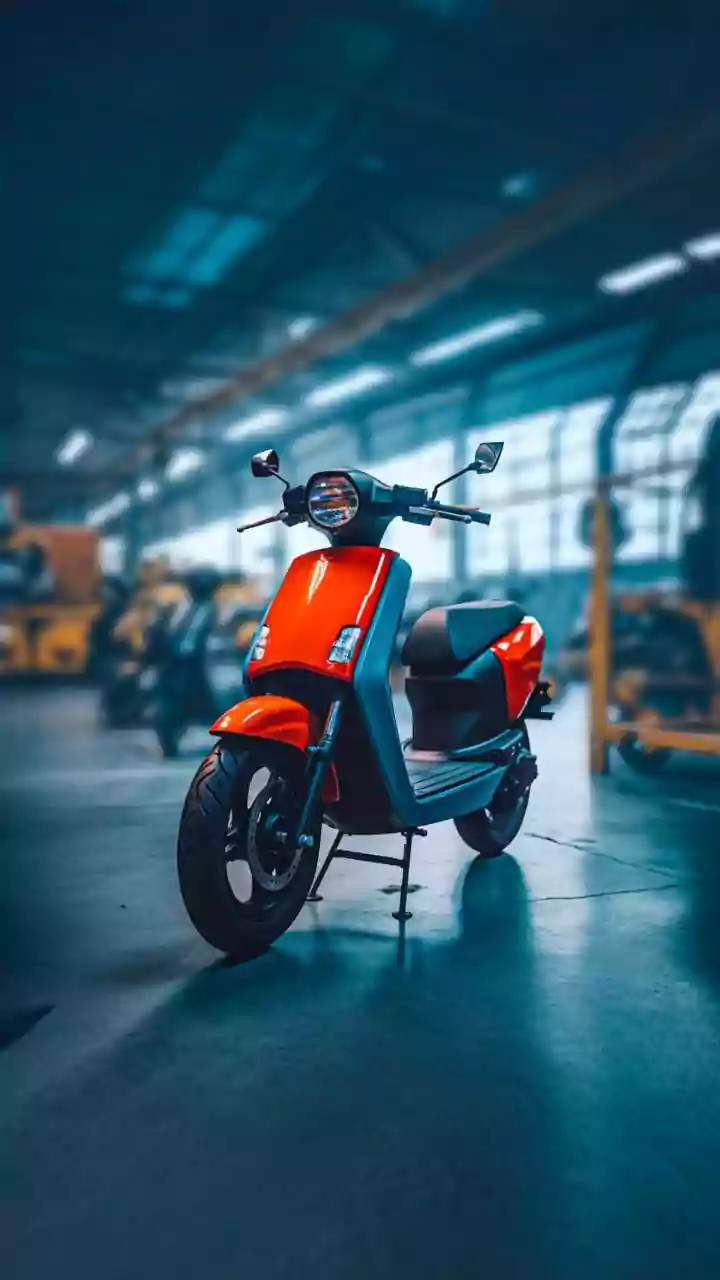
Running a fleet of electric scooters for deliveries or ride-sharing is a game of operational efficiency. Every minute a scooter is plugged into a wall is a minute it isn't on the road earning revenue. Currently, the logistics are challenging. Operators
are forced to choose between slow charging, which can take three to eight hours, or a complex and costly battery-swapping system. Both solutions eat into profits and create logistical headaches, from managing multiple batteries per vehicle to dedicating significant real estate for charging hubs. This constant juggle between vehicle availability and battery readiness is the single biggest bottleneck to scaling up electric fleets profitably.
Enter the New Formulations
The breakthroughs grabbing headlines are not just one single invention, but a wave of innovations in battery chemistry. While traditional lithium-ion (li-ion) batteries power most EVs today, scientists are re-engineering them at a fundamental level. Formulations like Lithium Iron Phosphate (LFP) are becoming popular for their safety and stability. More revolutionary are solid-state batteries, which replace the flammable liquid electrolyte found in current li-ion batteries with a solid material. Other promising avenues include sodium-ion batteries, which use abundant and cheaper materials, and silicon nanowire anodes that can hold significantly more energy. The common goal of these new formulations is to allow ions to move more freely and safely, which is the key to unlocking faster charging and better performance.
The 'Ultra-Fast' Charging Promise
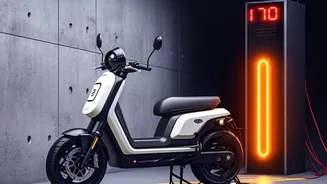
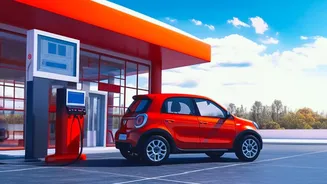
So, what does “ultra-fast” actually mean? While current 'fast chargers' for scooters might fill a battery in a few hours, the new generation of technology is aiming for minutes. Some developers of solid-state batteries are demonstrating charging times of under 10 minutes for a full charge. One company claims its technology can add up to 60 kilometers of range for every minute of charging. This is achieved by designing batteries that can handle higher currents without overheating or degrading quickly. For a fleet operator, this completely changes the game. A delivery rider could pull in for a quick break and have a fully charged scooter ready before they finish their tea, eliminating the need for spare batteries entirely.
More Than Just Speed
The benefits of these new formulations extend well beyond just speed. Safety is a major advantage. Solid-state batteries, by eliminating the flammable liquid electrolyte, drastically reduce the risk of fires that have been a concern with some lithium-ion chemistries. They also promise a much longer lifespan, capable of handling thousands of charge cycles before significant capacity loss, which is a crucial factor for high-use commercial vehicles. Furthermore, technologies like sodium-ion batteries move away from reliance on expensive and ethically complex materials like cobalt and lithium, paving the way for cheaper and more sustainable energy storage.
Transforming Fleet Operations in India
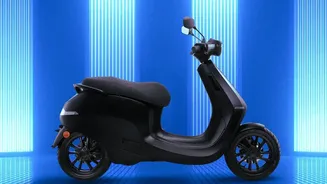
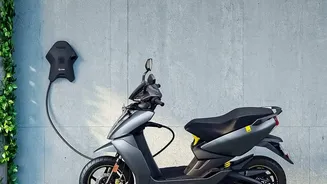
In the context of India's crowded cities and burgeoning gig economy, this technology is a game-changer. Ultra-fast charging would allow fleet operators to run their businesses with fewer vehicles and no need for extensive battery-swapping depots. This reduces capital expenditure and simplifies daily operations. A scooter can stay in service for a much larger portion of the day, maximizing its earning potential. It allows for a more fluid and responsive service, where vehicles can be topped up quickly during lulls in demand. As companies like Ola, Ather, and numerous delivery startups expand their electric fleets, adopting this next wave of battery tech will be crucial for maintaining a competitive edge and achieving true operational efficiency.