



The Timeless Glow of Tradition
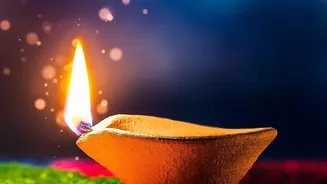
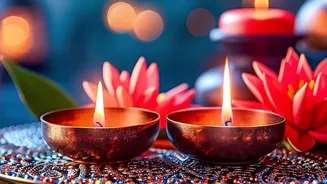
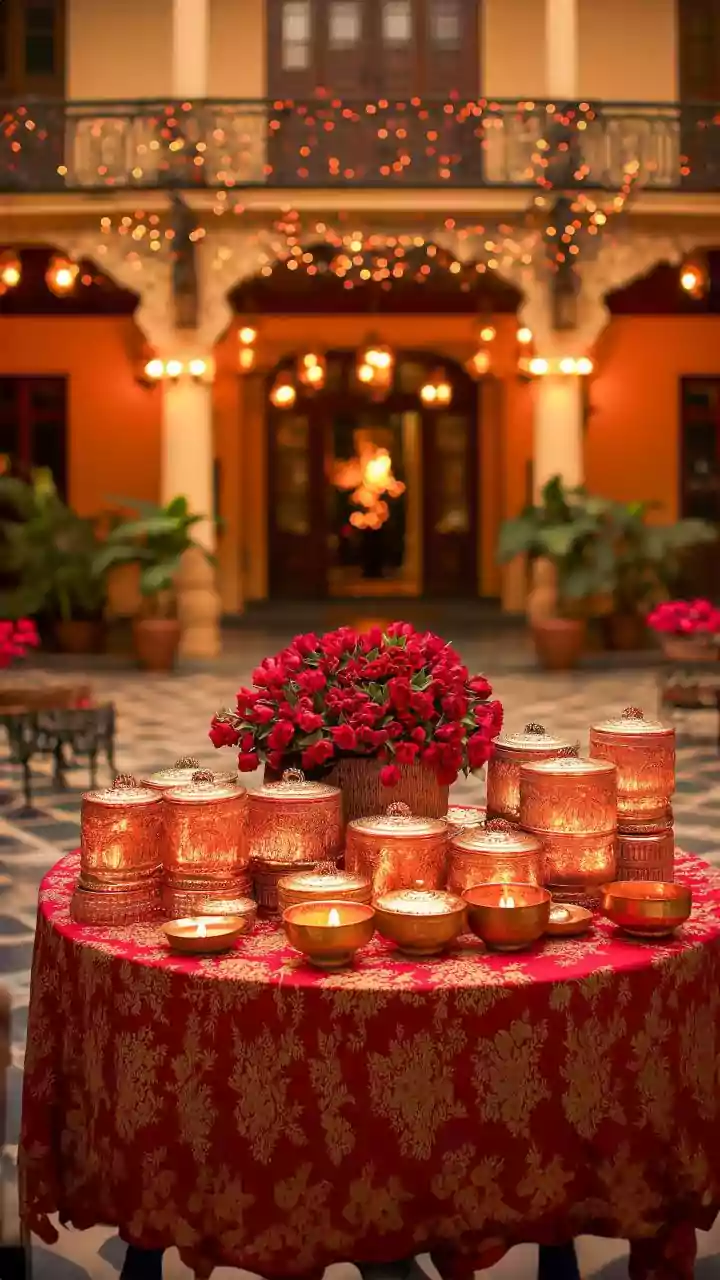
There is a certain magic to the soft, flickering flame of a handmade clay diya. These earthen lamps are more than just a source of light; they are a symbol of hope, purity, and the triumph of good over evil. For generations, rows of diyas have illuminated
homes during festivals like Diwali, creating a warm and serene ambiance that electric lights struggle to replicate. The primary environmental advantage of a clay diya lies in its composition. Crafted from natural earth, these lamps are completely biodegradable, returning to the soil without leaving a trace of harmful residue. Unlike plastic decorations or paraffin wax candles that release toxins, diyas lit with natural oils like mustard or sesame can be a cleaner choice for indoor air quality. This commitment to natural materials aligns perfectly with a sustainable lifestyle.
Supporting Artisans and Local Economies
Choosing handmade diyas is also an act of economic and cultural preservation. The handicraft sector in India is a major source of employment, particularly in rural areas, providing livelihoods for millions of artisans. When you buy a set of clay diyas from a local potter, you are directly supporting their craft and helping to sustain a skill passed down through generations. This direct support ensures that artisans receive a fair price for their work, empowering them financially and keeping a vital part of India's cultural heritage alive. In a market increasingly dominated by mass-produced goods, making a conscious choice to buy local handicrafts helps bolster community economies and promotes ethical, sustainable trade.
The Modern Brilliance of Solar Lights
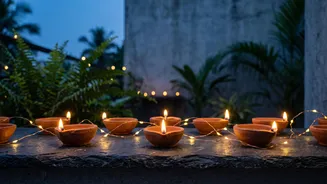
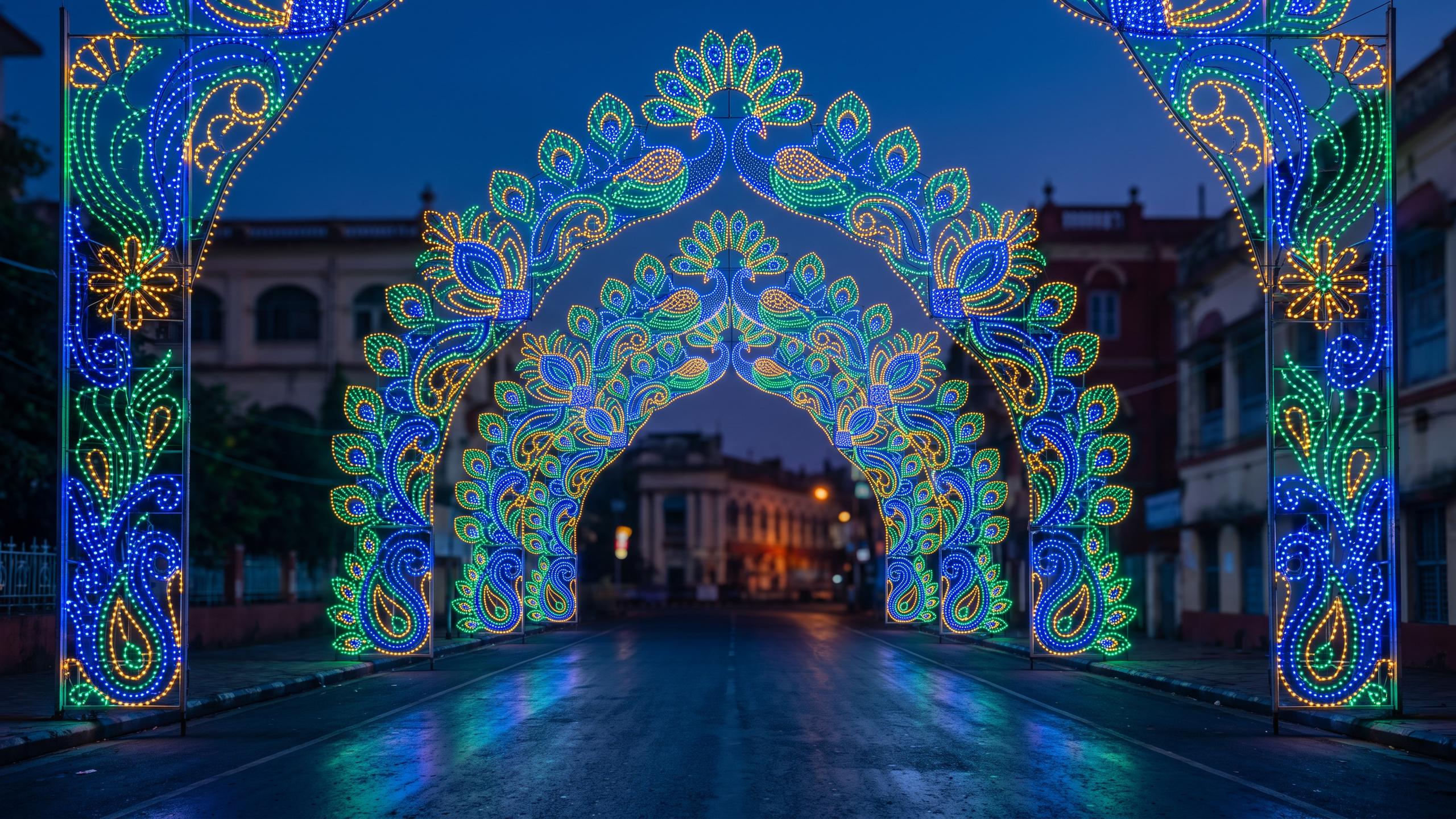
For those seeking a blend of modern convenience and green principles, solar-powered lights are an excellent alternative. These lights harness the sun's energy during the day to power bright and often colourful LED bulbs at night. The most significant benefit is their independence from the electrical grid. This means zero electricity consumption and a tangible reduction in your carbon footprint, as most grid power still relies on burning fossil fuels. Solar string lights, available in various forms like twinkling fairy lights or festive globe bulbs, offer the same visual splendor as their electric counterparts but without the recurring cost on your utility bill. Most modern solar lights are automated, turning on at dusk and off at dawn, offering a hassle-free and energy-efficient way to keep your home illuminated throughout the festive period.
A Balanced View of Sustainability
While solar lights are champions of clean energy during operation, it's also important to consider their entire lifecycle. The manufacturing of solar panels and batteries involves the extraction of raw materials and energy-intensive processes. However, their long lifespan—often several years—and the significant energy savings they provide over time make them a far more sustainable choice than single-use decorations or inefficient incandescent bulbs. The key is to invest in good-quality solar lights that will last for many festive seasons, maximizing their environmental return on investment. Ultimately, both diyas and solar lights present a starkly better option than conventional electric string lights, which consume continuous power and are often made of non-biodegradable plastics.
Tradition and Technology: A Perfect Pair
The choice between handmade diyas and solar lights doesn't have to be an either-or decision. In fact, they can complement each other beautifully. Use traditional diyas for sacred spaces like the puja room and the main entrance to honour cultural practices and create an atmosphere of tranquility. At the same time, adorn your balconies, gardens, and windows with solar string lights for a long-lasting, safe, and effortless sparkle that lasts all night. This blended approach allows you to embrace the best of both worlds: the deep cultural significance and community support of handmade traditions, and the innovative, energy-saving benefits of modern technology. Both paths lead to a celebration that is not only visually stunning but also kinder to our planet.