






The Humble 'Apple of the Poor'
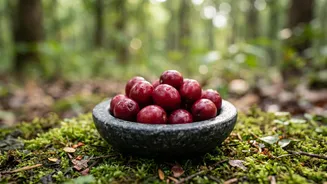
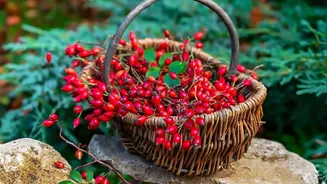
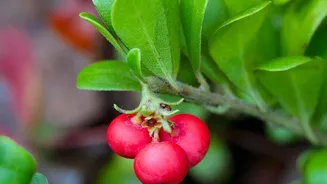
The wild 'beri' is the fruit of the Ziziphus mauritiana tree, commonly known in English as the Indian jujube or Indian plum. Often called the 'poor man's apple', this hardy fruit is a powerhouse of nutrition, thriving in arid and semi-arid conditions
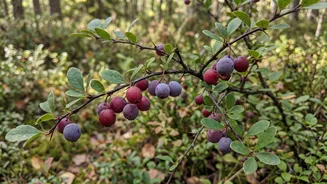
where other fruit trees might fail. When unripe, the fruit is green and crisp with a tartness reminiscent of a green apple. As it ripens, the skin turns a reddish-brown, and the flesh becomes softer and sweeter. Wild varieties are typically smaller than their cultivated cousins, but they pack a distinctive sweet and sour flavour that is highly prized by local communities. Packed with Vitamin C, it's considered a natural immunity booster in traditional wellness practices.
The Unique Karauli Dang Ecosystem
The term 'Dang' locally refers to a specific geography characterized by rugged terrain, ravines, and plateaus. The Karauli Dang region, located where the Aravalli and Vindhya ranges meet, is a perfect example of this. It's a landscape of broken grounds, hills, and forests that are difficult to cultivate but provide an ideal habitat for native flora like the ber tree. These trees grow entirely wild, without any need for irrigation, fertilisers, or pesticides. This resilience allows them to flourish in the sandy, lightweight soils and harsh climate, producing an abundant crop that is deeply connected to the natural cycles of the land. The forest is a critical natural resource, covering a significant portion of the district's area.
A Harvest Tied to Winter
While the ber tree fruits throughout the year, the winter harvest, typically from January to March, is considered the most important. The timing is crucial. The cooler temperatures of the winter months allow the fruit to ripen slowly, developing a higher concentration of sugars. This results in a much sweeter and more complex flavour profile compared to berries harvested in warmer seasons. The fruit is harvested by hand, often by local community members, including women and herdsmen for whom the harvest provides a vital source of seasonal income. This process is a tradition passed down through generations, representing a deep understanding of the local ecology. Annual pruning after the harvest is also essential, as the tree bears fruit on new shoots grown in the current season.
More Than Just Sustenance
The wild beri is not just a source of food and income; it holds significant cultural and historical value. In local lore, the fruit is famously associated with the story of Shabari offering berries to Lord Rama, a symbol of humble devotion. This connection elevates the fruit beyond mere sustenance to an element of cultural and spiritual identity. Economically, the winter harvest provides a crucial financial cushion for many rural families. The fruits are sold in local markets, eaten fresh, or used to make pickles ('achaar'), chutneys, and dried candies ('murabba'). The hardiness of the Ziziphus mauritiana tree makes it an exceptionally reliable crop for farmers in dry regions, yielding between 80 to 200 kilograms of fruit per tree annually. This makes it a cornerstone of the local agro-economy in districts like Karauli, Jaipur, and Ajmer.