


Start a Windowsill Herb Garden
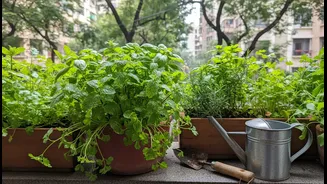
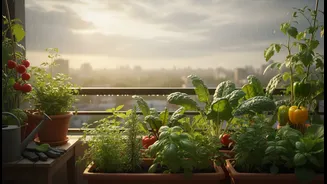
There’s nothing quite like snipping fresh herbs for your meal, and a windowsill is prime real estate for a miniature flavour farm. Many herbs thrive indoors with enough light. Basil, mint, parsley, and chives are excellent choices for beginners. You can
start with seeds or, for quicker results, buy small starter plants from a local supermarket or garden centre. All you need is a container with drainage holes (a long planter box or individual pots work well), some quality indoor potting mix, and a spot that gets at least six hours of sunlight, like a south-facing window. Water when the top inch of soil feels dry, and be sure to trim your herbs often to encourage new growth.
Grow Nutrient-Packed Microgreens
Microgreens are the seedlings of vegetables and herbs, harvested just after the first true leaves have developed. They are packed with nutrients and incredibly fast-growing, with most varieties ready to harvest in just 7 to 14 days. All you need is a shallow tray (even a recycled plastic food container will do), some potting soil, and your seeds of choice—broccoli, radish, and kale are popular options. Fill the tray with a couple of inches of moist soil, spread the seeds evenly, and lightly press them down. Mist them daily to keep the soil moist and place the tray in a sunny spot. Once they are a few inches tall, simply snip them with scissors at the soil line and add them to salads, sandwiches, or smoothies for a fresh, healthy boost.
Create a Tiny Terrarium World
A terrarium is a miniature, self-contained ecosystem inside a glass container, and it’s a beautiful way to bring a touch of nature indoors. You can use almost any clear glass vessel: a mason jar, an old pickle jar, or a fishbowl. The key is layering. Start with a bottom layer of small rocks or gravel for drainage. Add a thin layer of activated charcoal on top to keep things fresh and prevent mold. Next, add a layer of potting soil. Now for the fun part: planting! Small ferns, moss, and succulents are great choices for terrariums. Arrange them however you like, add decorative pebbles or twigs, and give it a light watering. A closed terrarium can largely sustain itself, while an open one will need occasional watering.
Regrow Vegetables from Kitchen Scraps
Before you toss those vegetable ends into the compost, consider giving them a second life. Many common kitchen scraps can be regrown in water right on your windowsill, which is a fantastic project for both kids and adults. Green onions are perhaps the easiest; simply place the white root ends in a jar with an inch of water and watch them sprout new green shoots in days. The bases of romaine lettuce, celery, and bok choy will also regrow new leaves when placed in a shallow dish of water. Just be sure to change the water every couple of days to keep it fresh. While you might not grow a full-sized vegetable, you'll get fresh, edible greens for free.
Propagate Your Existing Houseplants
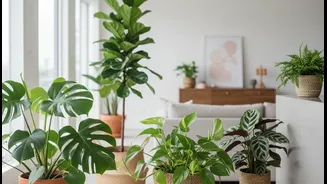
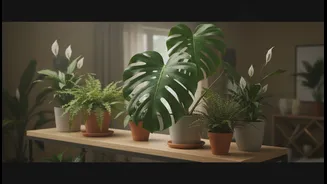
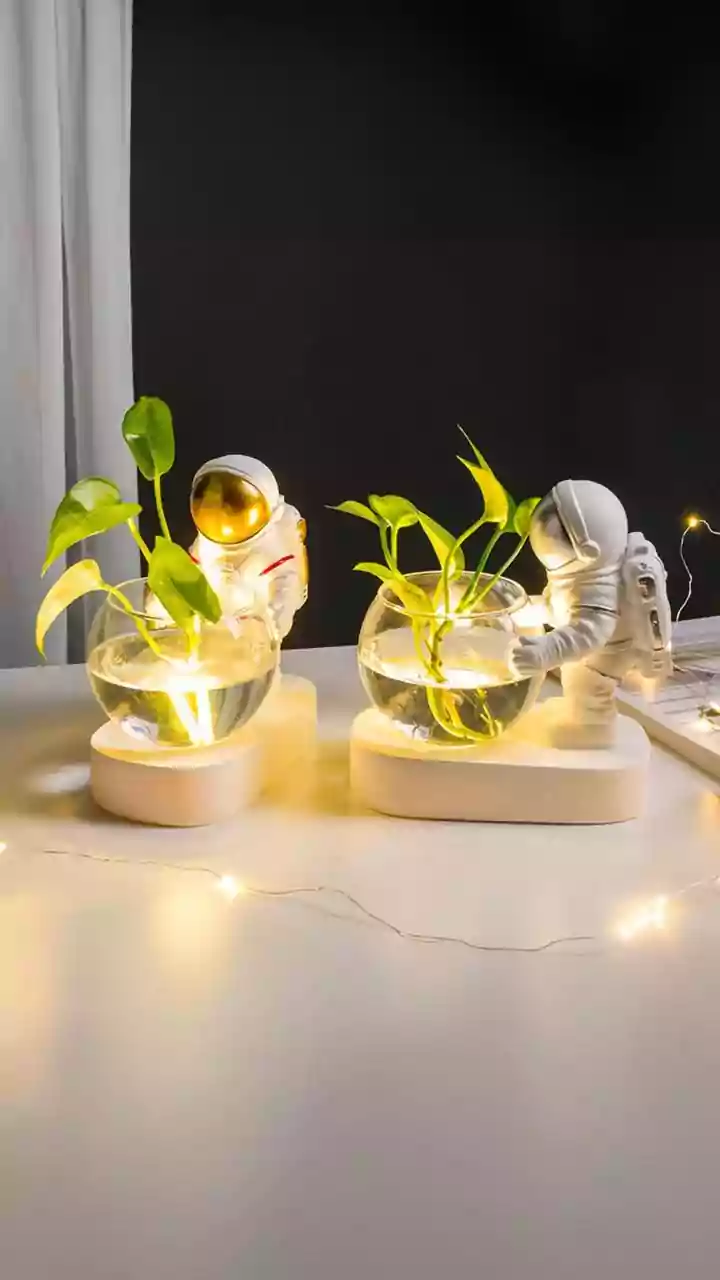
A rainy day is a perfect opportunity to multiply your plant collection for free. Propagation is the process of creating new plants from cuttings of your existing ones. Vining plants like pothos and philodendrons are incredibly easy to propagate. Simply snip a piece of stem that includes a few leaves and at least one node (the little bump where leaves grow from). Remove the lowest leaf and place the cutting in a glass of water, ensuring the node is submerged. Change the water every few days, and in a few weeks, you should see roots begin to form. Once the roots are a couple of inches long, you can plant your new baby plant in a pot with fresh soil.